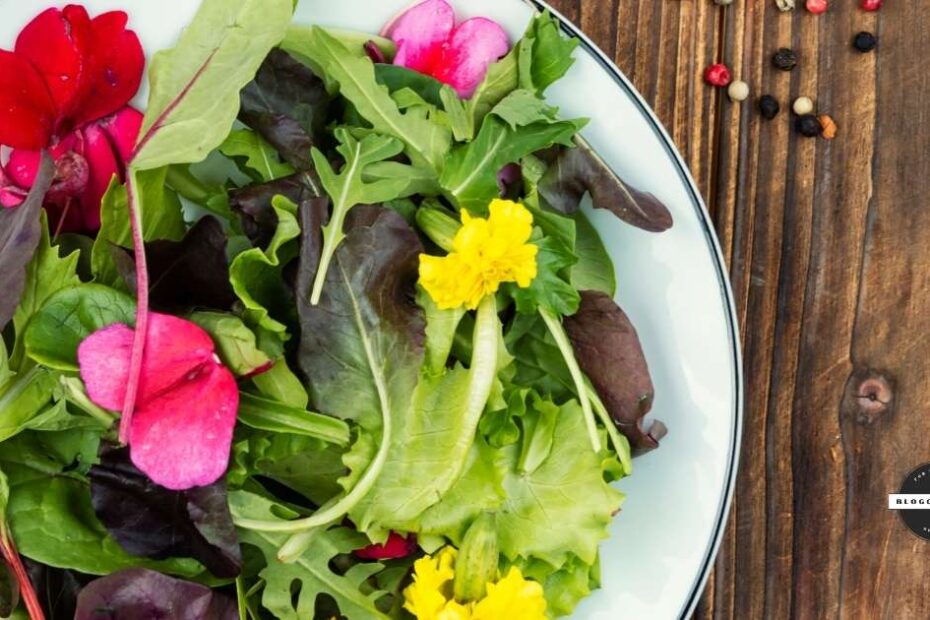
Learning to use fresh and dried edible flowers in your cooking can earn you hostess-of-the-season honors in your friend group. Flowers elevate dishes and beverages the way a pretty scarf can add polish to an outfit — they add character and visual appeal like no other ingredient.
You can use fresh or dried edible flowers in your cooking, and each delivers a slightly different result. Understanding those nuances before you choose your menu can help you achieve that wow factor without unexpected surprises.
5 differences between fresh and dried flowers
Fresh flowers are bolder in appearance than their dried counterparts, but there are other differences to note. Flavor, texture, shelf life, and cost can affect your decision to use fresh or dried edible flowers in your cooking.
Appearance
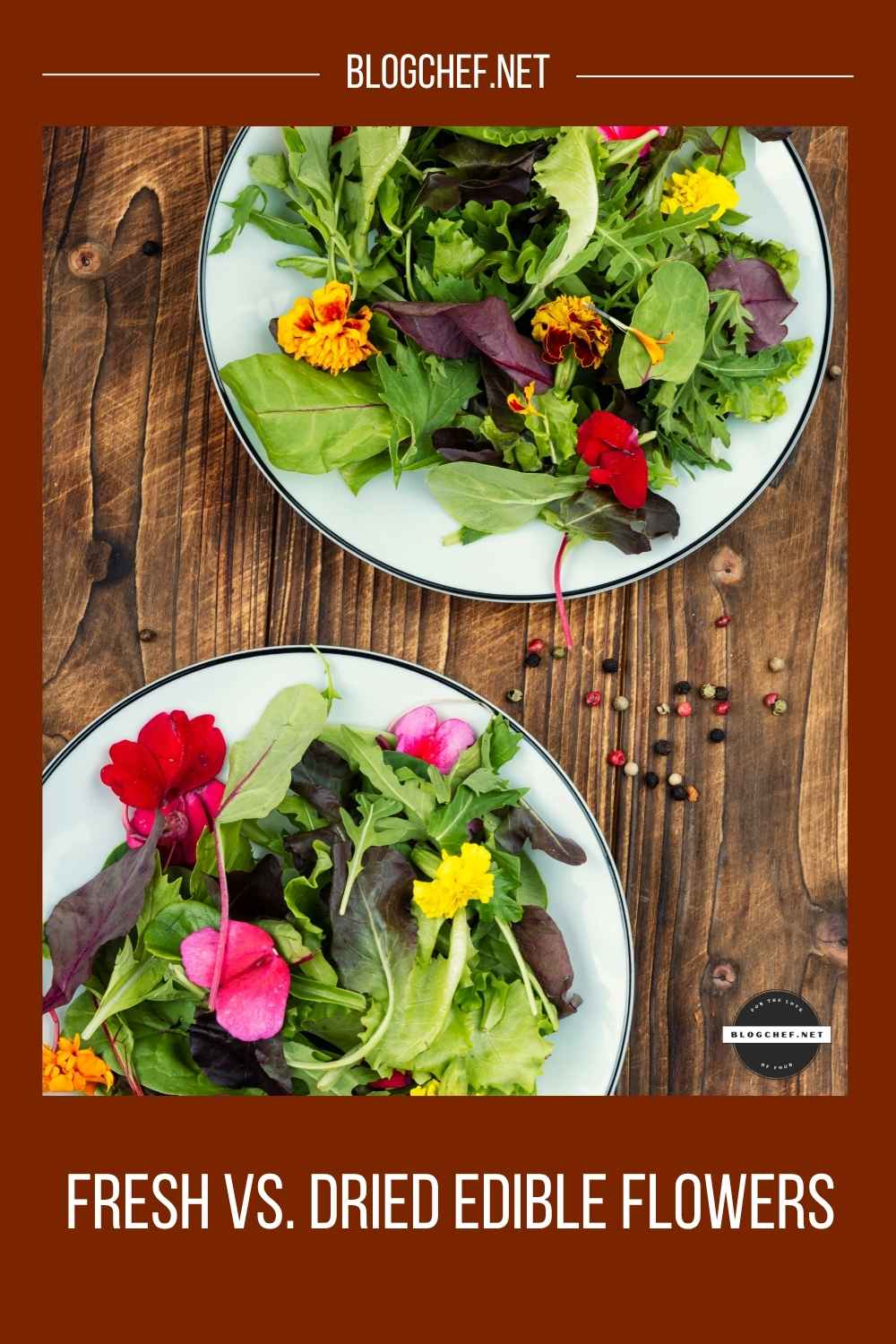
Fresh flowers are more vibrant in appearance than dried flowers. Fresh petals brighten a plate while adding a lively, luxurious tone to a dish. For example, you could make a simple sandwich look elegant by adding a fresh flower to the plate. If you’re looking for garnish over flavor, then full, colorful petals do the job beautifully.
Try: A fresh pansy alongside a fruit tart or a nasturtium with a salad.
On the other hand, dried flowers from Austral Herbs or other specialty herb sellers have a delicate, earthy, and papery appearance. They won’t have the saturated hues you can get from fresh flowers, but they offer beautiful shades of beige, rust, brown, and pastel pink. These colors are common in the preserved look that develops as the flowers undergo the drying stage.
Try: Dried calendula petals with a goat cheese and honey crostini platter — use the bright yellow-orange petals as a garnish around the serving tray.
Read next: What does elderflower taste like?
Flavor
Fresh and dried edible flowers also have inherently different flavor profiles. Fresh flowers often taste brighter and more delicate because their natural moisture and volatile aromas are still intact. These notes add complexity to the flower’s natural flavor profile.
Try: Fresh lavender buds in lavender lemonade. Steep and remove the flowers so it flavors the drink without decorating it.
Drying a flower tends to concentrate the flower’s natural flavor and aroma. As a result, dried flowers can be more intense and herbal than fresh flowers.
Try: Dried lavender buds in shortbread cookies for a subtle flavor addition.
Think of the differences between fresh and dried lavender or roses. Fresh lavender tends to taste minty and herbaceous, while dried lavender tends to be more concentrated. And fresh roses have a softer, fuller scent, while dried roses have a more intense, perfume-like aroma.
Read next: What does lavender taste like?
These flavor differences affect which form of flower might work best in your dish, and how much of it you should use. Generally, you will use smaller quantities of dried flowers because their intensity can easily overtake a dish.
Texture
As you might guess, fresh flowers have a softer, more delicate mouthfeel because they have a higher water content than dried flowers. They provide a light bite that goes nicely in salads and sandwiches.
Try: Fresh daylily buds in stir-fries. The buds provide a crisp-tender texture similar to green beans or snap peas.
Dried flowers are more brittle and lightweight because their moisture has been removed. In beverages or baked dishes, they can feel flaky. As a garnish, they can have a crumbly and powdery texture that often contrasts or augments the dish. Dried flowers are better suited for infused, baked, or blended recipes.
Try: Dried rose petals in granola. Dried rose petals in granola. The petals remain slightly crisp after baking and contribute a delicate texture alongside the oats, nuts, and seeds.
Read next: How to make chamomile tea taste better
Shelf life
Another major difference between dried and fresh flowers is how long they last when left in stable conditions.
Fresh flowers typically need to be refrigerated to prolong their lifespan. If they are not stored properly, they can wilt and lose their flavor. It’s best to consume and cook them immediately or within days of purchase.
Dried flowers can last significantly longer. When stored properly, such as in airtight containers away from heat and humidity, dried flowers can maintain their good flavor and aroma for months. They do not need to be refrigerated, which makes them the superior choice for long-term utility and convenience in the kitchen.
Cost and accessibility
Cost is another noticeable difference between fresh and dried edible flowers. Depending on the type of flower you’re trying to get, one option may be easier to source for regular culinary use than the other.
Commercially sold fresh edible flowers are more expensive because they’re transported under sensitive conditions to preserve their freshness and quality. Fresh flowers also tend to be seasonal. They can only bloom during specific times of the year, which increases their rarity and cost in off seasons.
Dried flowers are easier to transport and purchase in bulk. Their durability makes them a practical solution for home cooks who don’t want to constantly watch over the expiry date of fresh flowers.
Fresh vs. dried flowers: Which is better?
There isn’t a universally “better” option. Fresh flowers may work better when you want vibrant color, delicate texture, and a striking presentation. Dried flowers offer concentrated flavor, longer shelf life, and greater convenience for baking, infusions, and pantry-friendly cooking.
Read next: How to make lavender punch 4 ways
Common edible flowers
Edible flowers are safe for human consumption on two counts. One, the flower in its natural form is safe. And two, it has not been treated with harmful pesticides or chemicals. Typically, consumption-safe flowers will be marked as such by the seller.
Edible flowers have a wide range of flavor profiles. Some are sweet and citrusy, and others are peppery and floral. Popular edible flowers include:
- Rose. Known for its fragrant floral flavor, rose is used in Middle Eastern dishes, teas, and syrups.
- Lavender. Famous for its calming scent, lavender is used in teas, cocktails, and some baked goods.
- Chamomile. Chamomile’s soothing, apple-like flavor works nicely in herbal teas.
- Hibiscus. The tart, fruity flavor of hibiscus goes well in drinks like juices and teas.
- Nasturtium. With its peppery flavor, nasturtium is often used in savory salad dishes.
- Pansy. Colorful pansies have a mild grassy, lettuce-like flavor can elevate the look and flavor of fruit dishes, salads, and pastries.
Read next: What does hibiscus taste like?
BlogChef takeaway
Fresh and dried edible flowers each have a place in the kitchen. The best choice depends on your recipe. If you’re garnishing a fruit tart or brightening a salad, try fresh flowers. If you’re flavoring shortbread cookies, tea blends, or syrups, opt for dried flowers. With a little know-how plus some experimentation, you can make those decisions quickly and confidently.