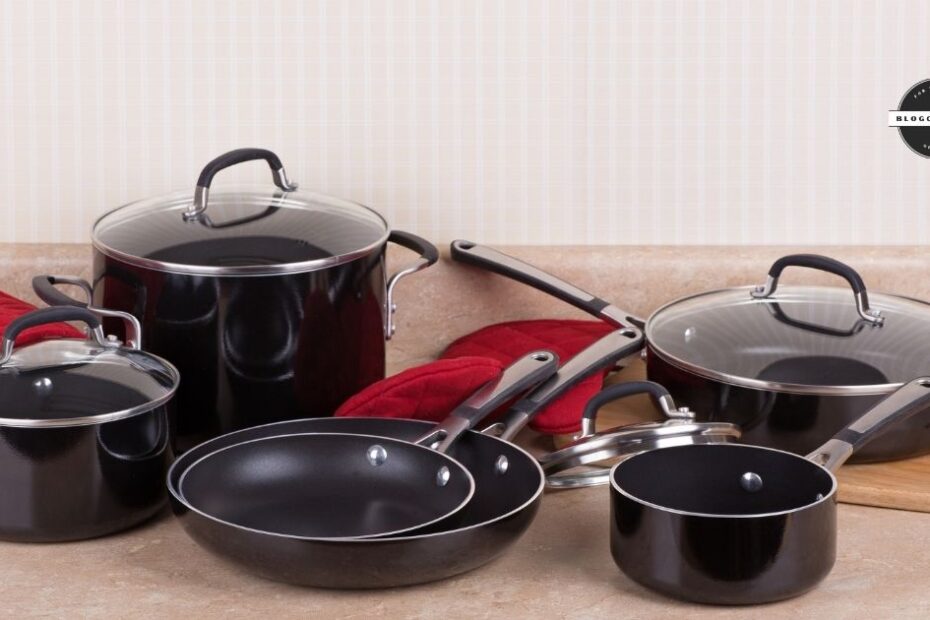
If you’re struggling to get the results you want in the kitchen, the problem may not be your recipes or techniques. It could be your cookware. Often a dish’s secret ingredient is a pan, blade, or thermometer — sourced from a cabinet or drawer rather than the pantry.
How cookware affects your results
Every cooking method asks something specific from your gear. A hard sear needs a pan that holds heat under pressure. A slow braise needs even, steady warmth for an hour or more. The tool has to match the task.
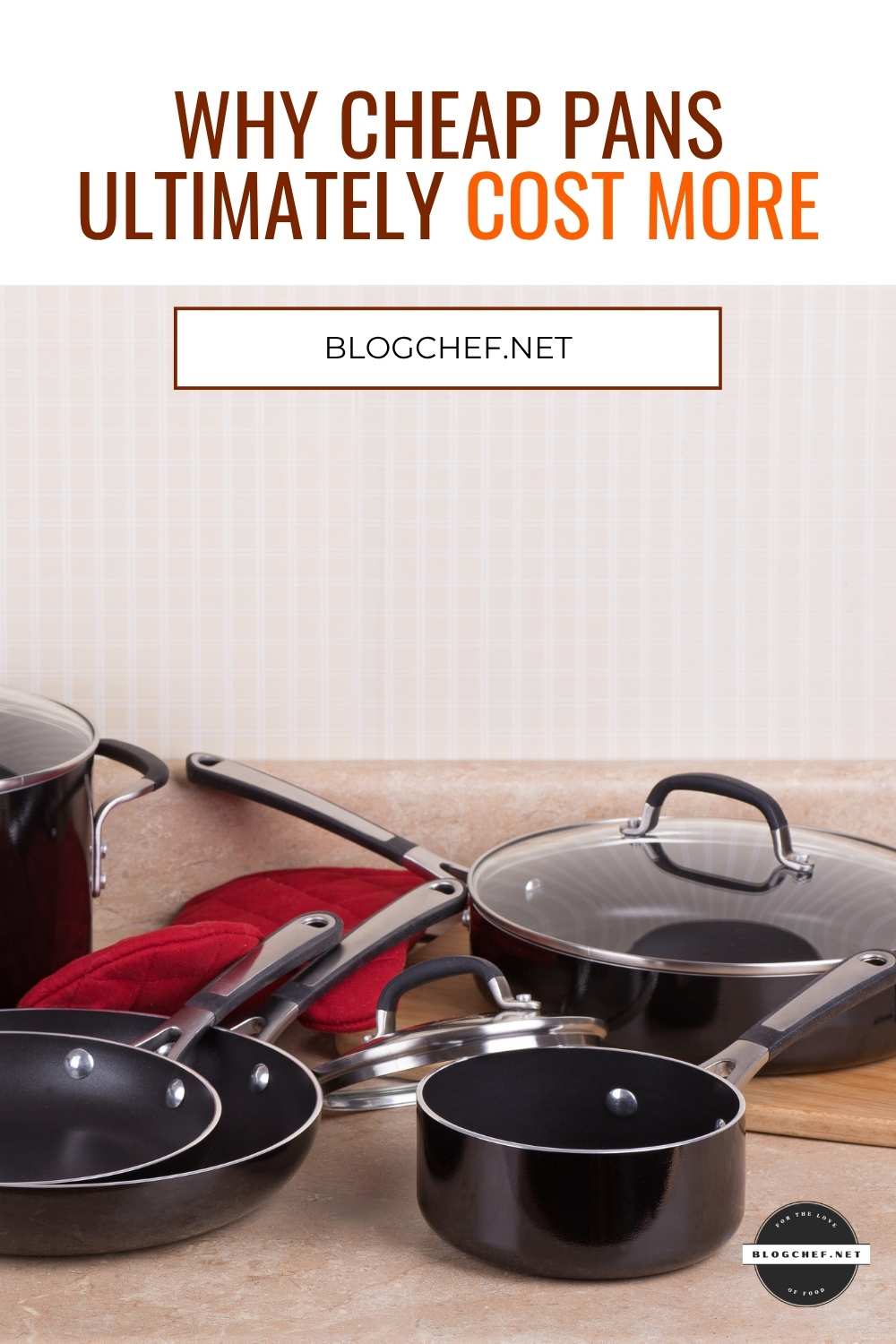
Low-quality cookware fights you at every step. A thin aluminum pan can develop hot spots that burn food in one area and leave other portions under cooked. Cheap, unlined copper pants can add a metallic taste to your sauces. Budget nonstick pans can’t produce a proper sear on your steak.
This is why home cooks can be so opinionated about their brands. They may not use professional brands (say, like Chef Stop), but they prioritize the qualities pros demand such as heat performance and durability.
Heat performance
Heat performance has two components: conductivity and retention. Conductivity is how fast the metal moves heat. Faster is better, because it prevents hot spots. Retention is how well the metal holds heat when cold foods hit it.
Copper and aluminum have good conductivity, but they can react with your food and change the taste. Stainless steel doesn’t react but also doesn’t conduct heat very well. Cast iron and carbon steel have poor conductivity but great retention. Clad pans—which have an aluminum or copper core between stainless steel layers—balance good conductivity and non-reactivity.
That balance is what you want for all-around cooking, but certain techniques require a different approach. For example:
- Searing requires excellent retention and conductivity is less important. You won’t get the crust you want if the pan immediately cools off when you place food in it. Cast iron or carbon steel are fabulous for searing or cooking steak on the stove.
- Baking demands an even heat, so your cookies have the right texture. Heavy anodized aluminum sheet pans shine here.
- Scrambling eggs requires a nonstick surface over low heat. Ceramic or well-seasoned nonstick pans work well.
- Pizza cooks best on high surface heat, to cook the crust and heat the toppings. Baking steel or baking stone can handle this job.
- Long braises need even, gentle heat retention. An enameled cast iron Dutch oven holds a steady low temperature for hours. It can also move between stove top and oven without complaint.
A note on food thermometers
You can get the most from quality pans and baking sheets by also having a high-quality food thermometer on hand. Here’s why. Cheap thermometers can be inaccurate, to the point of ruining your dish. Consider a pan-cooked chicken breast. Without a precise temperature reading, the result will either be unsafe to eat or tough and dry. Your pricey clad pan can’t overcome that problem.
Another case in point: Our walkthrough of the reverse sear steak method leans on a reliable pan and a good thermometer. You need both.
So invest in a quality instant-read thermometer. Know how to use it properly and commit safe cooking temperatures to memory.
Pro tip: You can test the accuracy of your food thermometer. Dip it in ice water so the stem is 2 inches deep. Wait 30 seconds and check. It should read 32°F or 0°C.
Durability
Cheap pans have short lifespans built in. Thin metal warps, cheap coatings fail, and weak handles loosen. Quality pans are engineered to survive daily use for decades. They cost more upfront to buy, but they cost less to own over time. Here are the numbers: A $30 nonstick skillet that lasts 18 months costs you $20 a year forever. A $180 skillet that lasts 30 years costs $6 a year.
The longest lasting materials for cookware include:
- Cast iron. With proper care, you can pass your cast-iron cookware down to your grandkids.
- Carbon steel. It’s nearly as durable as cast iron and more versatile.
- Heavy-gauge, fully clad stainless steel. Durable and low maintenance.
BlogChef takeaways
Better equipment produces better food and makes you a better cook. When your pan holds heat properly and your thermometer reads accurately, you know to make an adjustment in your technique. That’s why investing in a few quality pieces pays off. Each solid tool removes one more source of frustration. And over time, that helps you develop real confidence at the stove.
What equipment should I get for my kitchen first?
Start with heat and precision. You will get a lot of use from a heavy pan, a cast iron skillet, and a food thermometer. A sharp knife is also important.
Is a cast iron pan worth it for home cooks?
Yes, cast iron holds heat well and lasts for decades. It sears meat and bakes with even, steady warmth. The pan only improves the more you cook with it. Simple care keeps it functional for years.
Do you need a food thermometer at home?
A thermometer is one of the best value tools you can own. It removes the guesswork from meat and keeps food safe. An instant-read probe checks doneness in seconds.
How do you choose cookware that lasts?
Look for heavy bases and thick, welded handles. Stainless steel and cast iron both hold up for years. Skip the giant nonstick sets that peel within a season. Two or three solid pans beat a cabinet of flimsy ones.
Which prep tools speed up daily cooking?
A sharp knife, stable cutting board, peeler, and sturdy tongs are must-haves in my kitchen. Identify the prep tools you need by noting the challenges you face while cooking. If you dislike julienning carrots, for example, buy a julienne slicer.