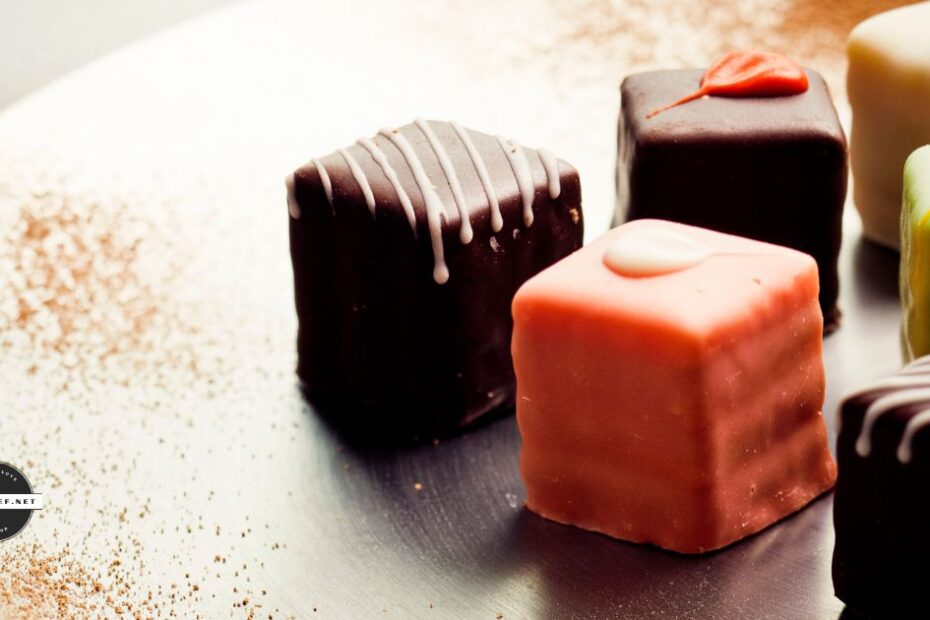
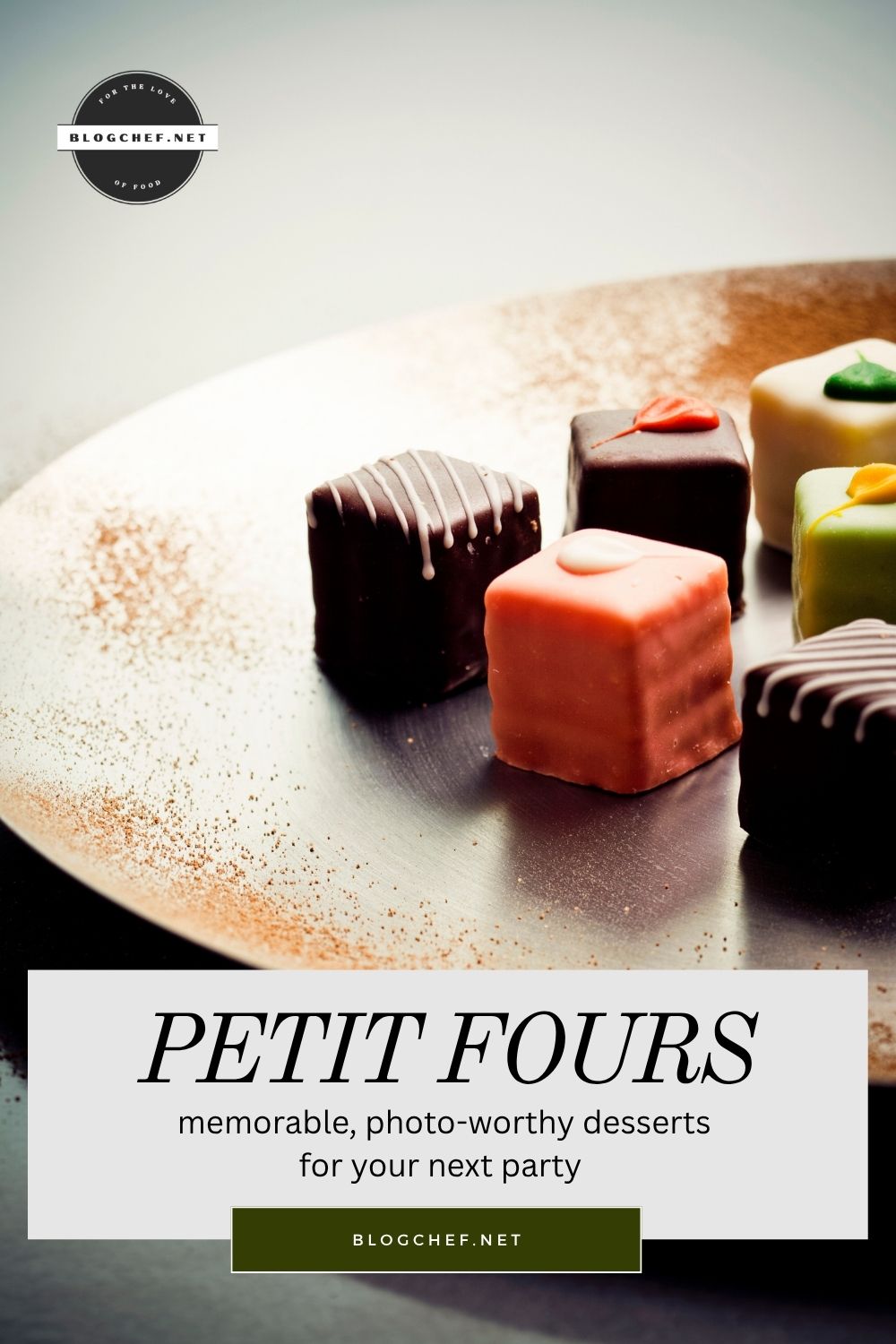
Petit fours are bite-sized French pastries or cakes, often decorated colorfully with icing, fondant, or chocolate. Often served with tea, coffee, or as part of a dessert spread, petit fours are fun, beautiful, and delicious.
If you are baking to impress, a table topped with vibrant petit fours will deliver.
Bites worth savoring
- Petit fours come in four distinct categories: glazed mini cakes, dry crisp treats, refrigerated pastries, and savory snacks
- Glazed petite fours are the showpiece variety: mini cakes layered with a sweet or creamy filling and covered with icing.
- With petit fours, variety beats volume.
- You don’t have to make glazed petite fours from scratch to capture the effect.
About petit fours
Petit fours aren’t just those small, fondant-covered cakes you see at fancy dessert tables. Cookies, biscuits, and pastries can also qualify as petit fours. A petit four can be any sweet treat that is:
- Small enough to eat in one or two bites, either by hand or with a small fork
- Neatly decorated
- Served with tea or as part of a dessert assortment.
The main types of petit fours are glazed, dry, and savory.
Read next: How to make chocolate truffles
Petit fours glacés
Glazed petite fours are the most common varieties you’ll spot at bakeries and parties. They’re tiny sponge cakes covered in fondant or chocolate icing. They may be layered with jam, buttercream, or ganache. Because of the sugary coating and layered cake, they’re heavily sweet and very moist.
Petit fours secs
This category covers crisp, dry baked goods such as macarons, palmiers, and shortbread cookies. The flavor profile leans heavily on buttery and caramelized notes. They feel airy and light compared to the heavier glazed cakes.
Petit four frais
Petit four frais are refrigerated pastries including miniature eclairs, tartlets, cream puffs, and fruit-topped pastries.
Petit fours salés
Not all bite-sized pastries are sweet. The savory side includes mini quiches, French cheese puffs, cucumber sandwiches, and prosciutto-wrapped melon bites.
This category of petit fours is often excluded from dessert conversations because they feel more like an appetizer to the American palate.
Read next: Almond thumbprint cookies recipe
Why petit fours work for parties
Petit fours are a natural fit for parties because they let guests enjoy a variety of desserts without committing to a full slice of cake. A platter can feature multiple flavors at once, from bright fruit and citrus fillings to rich chocolate, caramel, and nut-based treats. This variety makes it easy to please different tastes while encouraging guests to sample more than one option.
They also bring an instant sense of elegance to the table. Their small size, decorative finishes, and colorful presentation make even a simple dessert spread feel special. Because petit fours are designed to be eaten in one or two bites, they’re easy to enjoy while mingling and typically don’t require plates or utensils, making them ideal for cocktail parties, receptions, showers, and other social gatherings.
Petit fours flavors
The taste of petit fours can vary widely, depending on the type. The table below outlines the primary flavor profiles and serving suggestions by type for these tiny treats.
| Category | Appearance | Core Flavor Profile | Best Paired With |
| Petit fours glacés | Tiny, decorated squares of glazed cake | Intensely sweet, soft, fruity, or chocolatey | Coffee or black tea |
| Petit fours secs | Small, un-iced cookies, meringues, or macarons | Buttery, crisp, airy, toasted nut flavors | Dessert wines or espresso |
| Petit four frais | Miniature éclairs, tartlets, cream puffs, and fruit-topped pastries | Light, delicate with custard, fruit, or buttery pastry elements | Tea or coffee, sweet or sparkling or sweet wine |
| Petit fours salés | Miniature tartlets, cheese straws, or savory puffs | Sharp, salty, rich, and umami-forward | Champagne or dry cocktails |
Petit fours glacés flavors
Petit fours glacés — those pretty mini cakes — are the most recognized of petit fours. If you were to choose one type of petit fours to serve at a high-end event, it would be this one.
These little cakes have a dense, rich, and sweet bite. The specific elements dictate whether the taste is fruit-forward, sweet, or buttery. Think of it as a much denser, richer, and more refined version of a layered wedding cake. All of those familiar flavors, condensed into a single, satisfying bite.
These elements are:
- The base is often pound cake, butter cake, or almond, vanilla, or Genoise sponge cake. The main requirement is that the cake can be cut and coated cleanly into small pieces.
- The cake may be layered with berry jam, lemon curd, buttercream, ganache, or marzipan.
- The coating can be a glaze, fondant, or icing. There may also be additional decorative details, such as fondant or gum paste flowers.
Texture and mouthfeel
The texture is all about contrast. The smooth, slightly brittle exterior shell snaps gently when you bite into it. Beneath that firm coating, the cake layers feel incredibly soft, dense, and moist.
Primary flavors and fillings
The primary flavors depend heavily on what’s layered between the sponge cake. You’ll often taste the nutty, earthy sweetness of marzipan mixed with the tangy brightness of raspberry or apricot preserves. Other varieties lean on the rich, creamy depth of chocolate ganache for an intense cocoa hit.
Read next: Pumpkin cheesecake truffles recipe
Can you make petit four glacés at home?
You can make glazed cake squares at home, but they require precision. You will also get much better results if you have a cake leveler. Here are the steps:
- Bake one thin sheet cake. You are targeting about an 1 inch thick. Let it cool completely.
- Using a cake leveler, cut off the domed top then slice the cake in half horizontally. If you don’t have a cake leveler, try making these cuts with dental floss. Score a shallow line around the outside of the cake first to use as a guide.
- Add filling and stack. Spread a thin layer of jam, buttercream, or ganache over one layer and stack the second layer on top.
- Chill the stacked cake for 1 to 2 hours in the refrigerator or 30 minutes in the freezer.
- Cut into squares. Keep your cake bites as uniform as possible.
- Chill again.
- Top with glaze or fondant. A powdered sugar glaze is a simpler option. Set your cake squares on a wire rack and pour the glaze over each one.
- Optionally, decorate. You can use sprinkles, a chocolate drizzle, or piped buttercream.
If you prefer something easier to fill out your dessert spread, try decorated sugar cookies, madeleines, mini cheesecakes, or chocolate-dipped strawberries.
Read next: Coconut macaroons recipe
Alternatively, you can order your petit fours from a quality local caterer. Find a chef-driven team that focuses on fresh, high-quality ingredients. McEwan Catering is one I know of in Toronto and the GTA. They handle everything from stunning gourmet petit fours platters to intricate mini desserts and European cookies.
BlogChef takeaway
A spread of various bite-sized desserts is sure to be a hit at your next party. You can go big with meticulously decorated, fondant-covered mini cakes — or capture the spirit of petit fours with sugar cookies, mini tarts, and madeleines. With enough variety, either approach can anchor a memorable and photo-worthy dessert table.