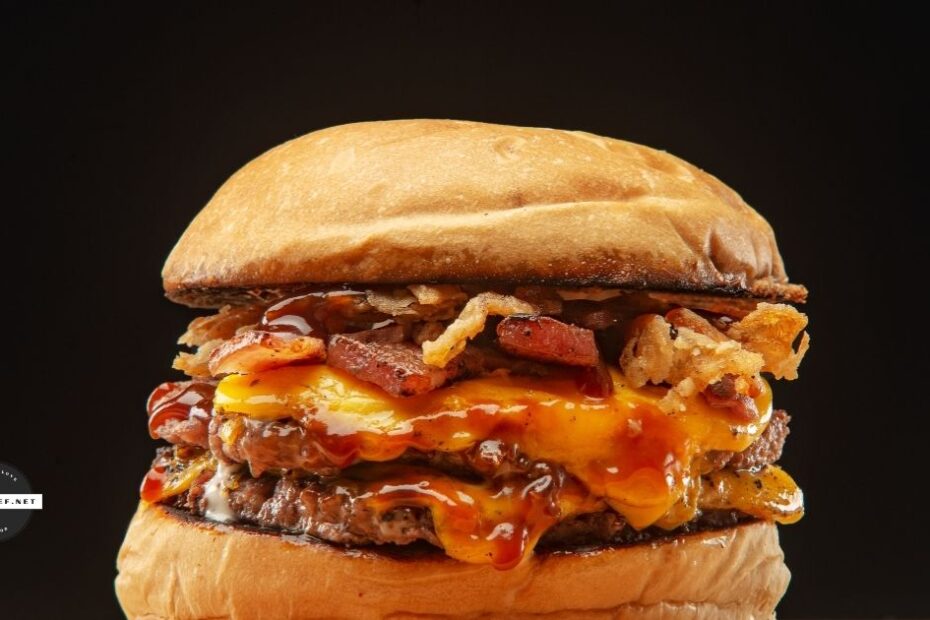
Every menu in town says something about fresh ingredients. It is close to meaningless at this point, a phrase printed as often as the address. So it is worth being specific about what a scratch kitchen does differently, because the difference is real and it is mostly invisible until you taste it.
Made here means made here
The clearest example on our menu is the mozzarella. We pull it in-house, and on the menu it shows up as mutz, the way people around here actually say it. You will find it in the jumbo mutz sticks with fresh marinara, and stitched through the spicy a la vodka, a rigatoni with Calabrian chili that gets its backbone from that same cheese. Cheese pulled that morning behaves differently than cheese trucked in frozen. It is one of those things you cannot fake and cannot un-taste once you know.
Sourcing you can name
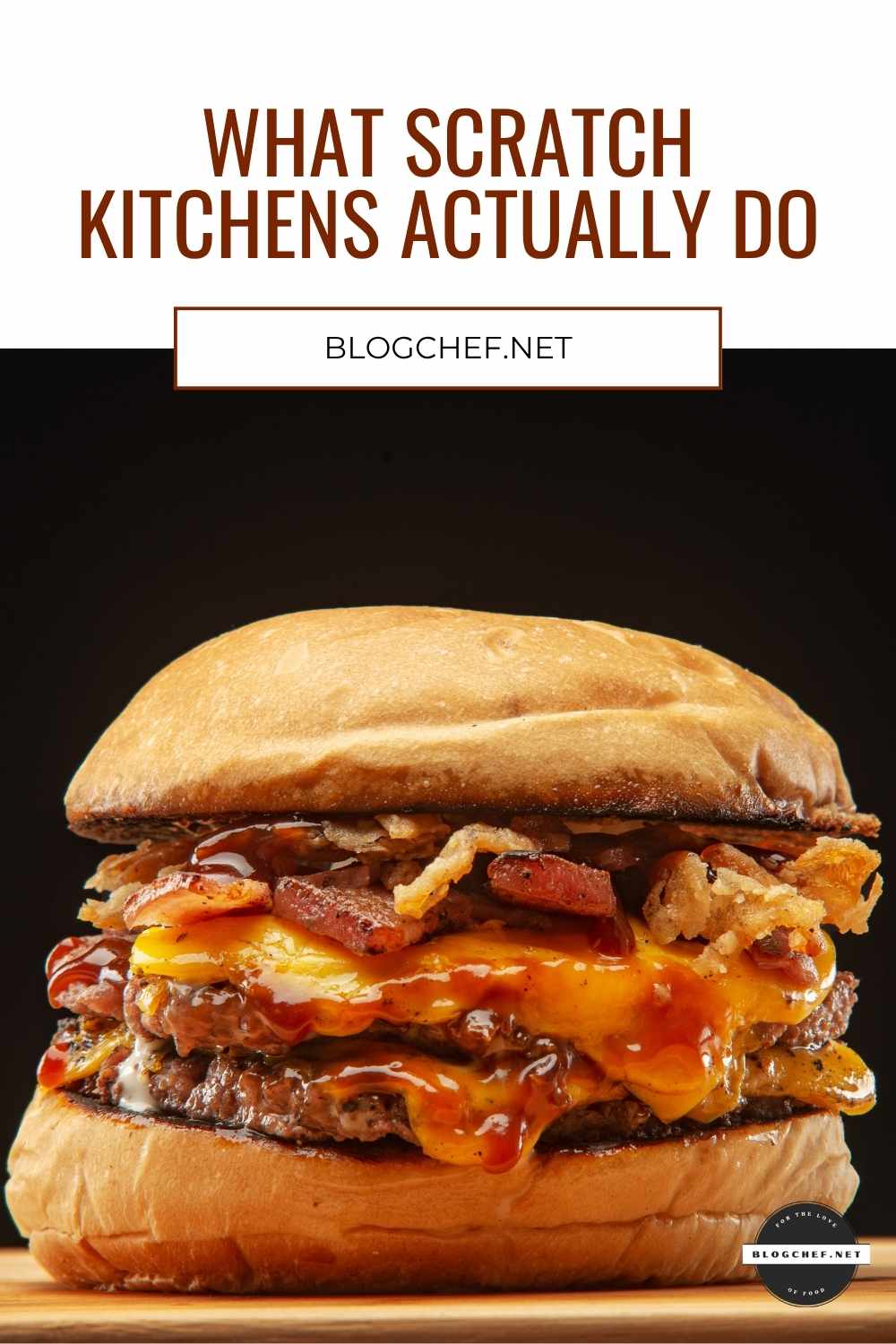
Scratch cooking starts before the kitchen. Our burgers are built on grass-fed beef, and the smash burger uses a wagyu patty, which is a specific choice with a specific cost. The rotisserie chicken is local and organic, spun whole and finished with either adobo or classic spices. The steak frites is an 8-ounce hanger steak from Vrola, a butcher we name because we are happy to. When a restaurant tells you where the meat comes from, that is usually a sign the answer is one worth saying out loud.
Read next: How to make restaurant favorites at home
A small kitchen with a long memory
We opened in 2023, but the hands in the kitchen are not new to this. The team came from Antique Bar & Bakery, and the room here was known as Antique at 112 before it became what it is now. That lineage matters because scratch cooking is a discipline more than a marketing line. It means someone is making stock, pulling cheese, and portioning by hand every single day, in a space small enough that there is nowhere to hide a shortcut.
If you want to understand a place, read what it chooses to make itself rather than buy in. Our scratch-kitchen diner in Hoboken is built around that idea, from the mutz to the rotisserie to the bread pudding people keep asking about.
Why it costs a little more, and why that is the point
Scratch food is not the cheapest way to run a kitchen. It takes more labor, more skill, and more waste. What you get for it is food that tastes like a decision instead of a supply order. That is the whole trade. A grass-fed burger and a hand-pulled cheese are not luxuries so much as a way of cooking that used to be the default and quietly stopped being one.
Where you taste it most
If you want the fastest read on whether a kitchen cooks from scratch, order the simplest thing and the most complicated thing. The simple one, our mac and cheese, is a cheddar sauce built to order with lemon herb crumbs, and a from-scratch version tastes nothing like the boxed shortcut. The complicated one, the spicy a la vodka, has too many moving parts, the house mutz, the Calabrian chili heat, the rigatoni cooked to the sauce, to fake convincingly. Bookend a meal with those two and you have your answer before dessert.
It shows up in the small stuff too
Scratch cooking is not only the headline dishes. It is the house sauces you dip the wings in, the marinara next to the mutz sticks, the soft serve pulled from an in-house machine rather than a supplier’s tub. None of those are things a guest walks in demanding, which is exactly why they are a good tell. A kitchen that bothers to make the sauce is a kitchen that bothers everywhere, and that habit is either there in the whole operation or it is not there at all.
So the next time a menu promises fresh, ask a follow-up. What do you make here? A kitchen that means it will have a long answer that starts with the mozzarella. And the folks there will be glad you asked.