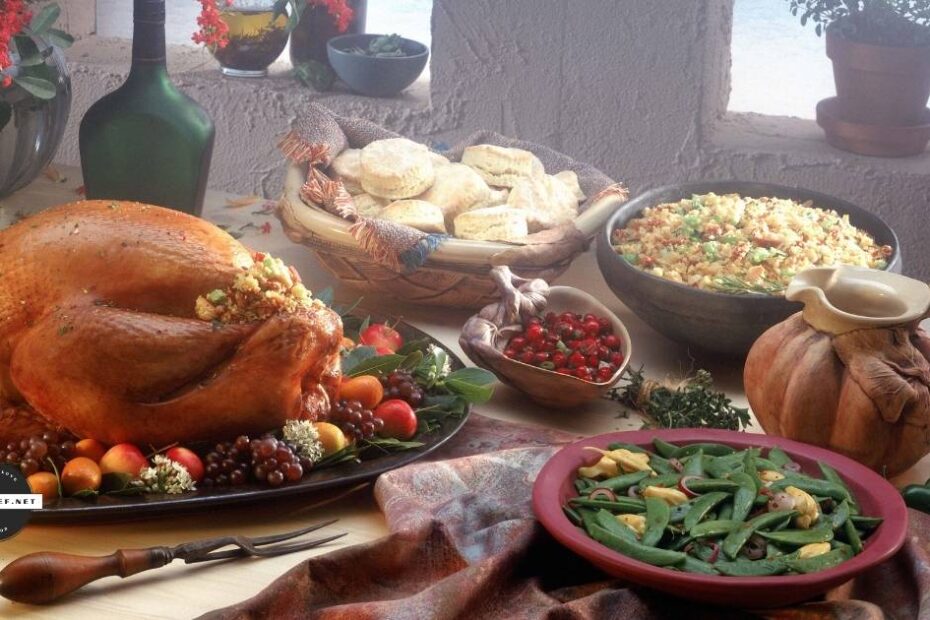
Balsamic vinegar is one ingredient I won’t do without on Thanksgiving. It has a sweet-tart complexity that adds a complementary zing to a rich holiday spread.
The fun thing about balsamic is that it’s not just for vinaigrette. It can liven up many fall ingredients, including turkey, squash, cranberries, and pears. See for yourself with these five balsamic vinegar recipes, ready to make an appearance on your Thanksgiving menu this year.
- Balsamic vinegar adds sweet-tart flavor to Thanksgiving favorites, from glazed turkey and roasted vegetables to cranberry sauce and desserts.
- Use everyday balsamic for cooking and a higher-quality aged balsamic for finishing dishes with a flavorful drizzle.
- Make glazes ahead, add balsamic near the end of cooking to prevent scorching, and start with small amounts so the vinegar doesn’t overpower the dish.
Balsamic glaze for roasted turkey
Add this glaze to enhance your favorite turkey recipe. It only comes in during 30 minutes of roasting, so your turkey prep remains mostly unchanged.
Start by mixing five ingredients:
- ½ cup balsamic vinegar
- 3 tablespoons maple syrup or honey
- 2 tablespoons butter
- 1 teaspoon Dijon mustard
- 1 sprig of fresh rosemary
Simmer the sauce in a small saucepan for 8 to 10 minutes, until the glaze coats the back of a spoon. Brush it over the turkey two or three times as it finishes roasting. You want the skin to turn a glossy, deep mahogany. Watch closely though, because the glaze can burn quickly.
This makes enough for a 14 lb. roasted turkey. For a larger bird, scale up the ingredient quantities by 150%.
Pro tip: Add a spoonful of balsamic into the pan drippings you’re using to make gravy. It balances the saltiness and gives the gravy a adds richer color.
Balsamic Brussels sprouts with bacon
Halve the sprouts, toss them with olive oil and salt, and arrange them on a baking sheet, cut side down. Roast the Brussels sprouts at 375°F or 190°C for 35 to 40 minutes. They should have brown, crinkled tops with a softer texture inside. Toss with crumbled bacon and a drizzle of balsamic straight out of the oven. Even longtime sprout skeptics tend to go back for seconds.
Roasted butternut squash with balsamic and pecans
Cut butternut squash into ¾-inch cubes and toss them with olive oil, salt, and pepper. Spread them in a single layer on a baking sheet, leaving space between the pieces. Roast at 425°F or 218°C for 25 to 30 minutes, flipping halfway through, until the squash is fork-tender with golden, caramelized edges.
Transfer to a serving dish and top with toasted pecans, crumbled goat cheese, and a light drizzle of aged balsamic vinegar. Serve warm so the goat cheese softens slightly against the roasted squash. The sweet and tangy combination tastes like fall in a single bite.
Balsamic cranberries
Add 2 tablespoons of balsamic to a classic cranberry sauce while it simmers. It deepens the color and adds a subtle complexity that makes the canned version feel like a distant memory.
Balsamic for dessert
Balsamic on dessert sounds unusual until you try it. Aged balsamic has a syrupy sweetness that pairs naturally with fruit and dairy.
Try one of these ideas this year:
- Balsamic ice cream with pumpkin pie. Serve a slice of pumpkin pie with a scoop of vanilla ice cream, then drizzle the ice cream with ½ to 1 teaspoon of aged balsamic vinegar. The vinegar’s sweet, tangy flavor balances the richness of the ice cream and complements the warm spices in the pie. Use a thick, naturally sweet aged balsamic or a balsamic reduction. Start with a few drops and add more to taste.
- Roasted pears with brown sugar and balsamic. Halve and core 3 ripe but firm pears, then arrange them cut side up in a lightly buttered baking dish. Sprinkle with 2 tablespoons of brown sugar and dot with 1 tablespoon of butter. Roast at 375°F or 190°C for 25 to 35 minutes, until the pears are tender and the edges begin to caramelize. Drizzle with 1 to 2 teaspoons of aged balsamic vinegar just before serving. For an extra-special dessert, add a scoop of vanilla ice cream or a spoonful of mascarpone.
- Parmigiano Reggiano, apples, and aged balsamic. For a simple alternative to dessert, arrange chunks of Parmigiano Reggiano on a small platter with thinly sliced Honeycrisp or Granny Smith apples, and toasted walnuts or pecans. Add a small dish of aged balsamic vinegar for dipping or drizzle a few drops directly onto the cheese. The salty, nutty cheese pairs beautifully with the crisp apples and the vinegar’s concentrated sweetness.
These recipes rely heavily on the quality of the vinegar you use. A cheap, generic vinegar may produce a sharper flavor, while a high-quality, aged balsamic will have the complexity you want.
Choosing the right bottle
Not every balsamic does the same job, and price can be a decent clue. An inexpensive, thinner balsamic works well in vinaigrettes, marinades, and glazes. You may want something with a richer flavor and more body to serve with vegetables, cheeses, and ice cream.
When shopping, look for these details on the label:
- “Aceto Balsamico di Modena IGP.” This protected designation means the vinegar was produced according to specific standards in the Modena or Reggio Emilia area of Italy. It’s a good starting point, although quality and flavor still vary between bottles.
- A simple ingredient list. Look for grape must and wine vinegar. A higher proportion of grape must generally produces a sweeter, fuller-bodied balsamic. Added caramel coloring is permitted in IGP balsamic, but it isn’t necessary for good flavor.
- Aging information. Balsamics labeled Invecchiato have been aged for at least three years, while Riserva indicates at least five years of aging. Aging can develop greater depth and complexity, although it isn’t the only factor affecting sweetness or thickness.
For holiday cooking, I would keep two bottles on hand: an affordable balsamic for cooking and a more flavorful one for finishing dishes at the table. For the second, Giusti’s balsamic vinegar of Modena is worth considering. The family-owned producer has roots dating back to 1605 and offers several balsamics suited to finishes dishes.
A little goes a long way, which makes it a worthwhile splurge for the biggest meal of the year.
Quick tips for a stress-free balsamic Thanksgiving
A little planning goes a long way when you’re using balsamic vinegar in several Thanksgiving dishes. Keep these tips in mind to get the best flavor without adding extra work on the big day.
- Make the turkey glaze ahead of time. Prepare your balsamic glaze a day in advance and refrigerate it in an airtight container. Warm it gently before brushing it onto the turkey so it’s easy to spread.
- Save your best balsamic for finishing. Use an affordable balsamic vinegar for marinades, reductions, and roasting. Reserve your more expensive aged balsamic for drizzling over finished dishes, where its flavor will really shine.
- Add finishing balsamic just before serving. Heat can diminish the delicate flavors and aromas of a good aged balsamic. Drizzle it over roasted vegetables, cheese, or desserts after cooking rather than before.
- Watch sugary glazes in the oven. Balsamic glazes made with honey or maple syrup can burn if exposed to high heat for too long. Brush the turkey during the last 30 to 45 minutes of roasting to develop a glossy coating without scorching.
- Reduce balsamic separately for better control. If you want a thicker glaze, simmer the vinegar gently in a small saucepan until it reaches your preferred consistency. Keep in mind that it will thicken a little more as it cools.
- Wait to dress delicate toppings. Add balsamic after plating dishes with goat cheese, fresh herbs, toasted nuts, or crisp vegetables. This keeps the toppings looking fresh and prevents them from becoming soggy.
- Put a bottle on the Thanksgiving table. Set out a small bottle of aged balsamic so guests can add a few drops to their turkey, roasted vegetables, or cheese. It’s an easy way to let everyone customize their plate.
- Start with a light drizzle. Balsamic vinegar has a concentrated flavor, especially when it’s aged or reduced. Start with a few drops, taste, and add more if needed. You can always add more, but you can’t take it back once it’s mixed into the dish.
With one bottle and a few small tweaks, a Thanksgiving menu becomes brighter, more balanced, and more memorable. Guests may not guess the secret ingredient, but they will taste the difference.