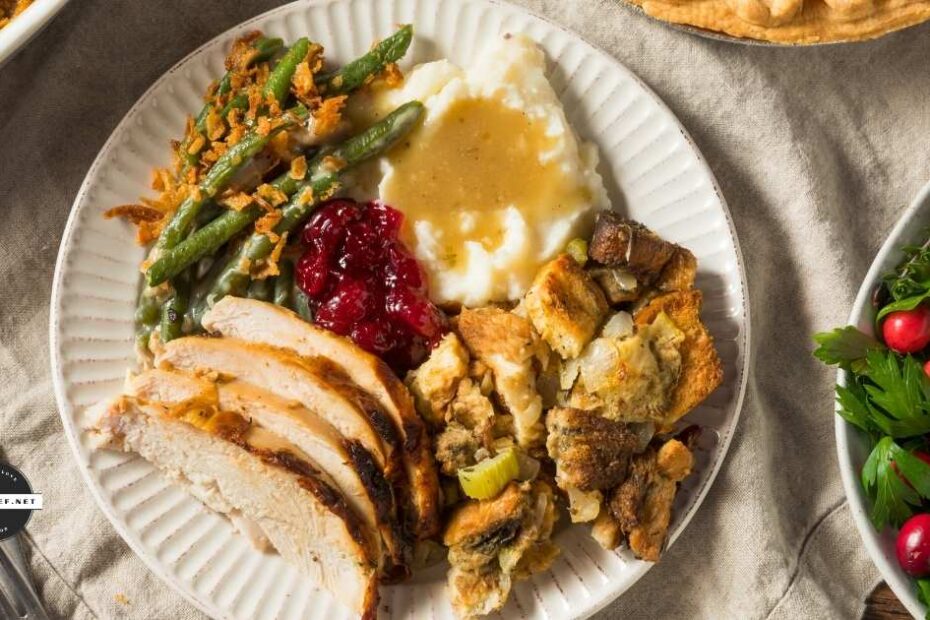
Thanksgiving is supposed to be about good food and good company. But it often turns into a day of juggling oven temperatures, peeling potatoes, trying to sneak a sip of your cocktail, and wondering why you thought making five side dishes was a reasonable idea.
This year, I’m dedicated to enjoying myself on Thanksgiving — which requires planning and prep well before the big day. That means making the cranberry sauce early, getting the casseroles ready on Wednesday, and checking that the turkey is actually thawed before Thursday morning. That frees up my Thanksgiving day for some relaxed cooking, laughing, and cocktail sipping.
If that sounds amazing, feel free to join on the make-ahead Thanksgiving mission. I share my timeline below, which starts two weeks before Thursday, November 26. It works for a big family gathering or a smaller dinner. You can modify it as needed, skipping anything that doesn’t apply to your menu.
- A make-ahead Thanksgiving schedule spreads shopping, cooking, and prep work over two weeks, leaving less to do on the holiday.
- Start thawing your turkey according to its weight, allowing extra time if you plan to brine it.
- Prepare pies and cranberry sauce early, assemble casseroles on Wednesday, and save Thanksgiving Day for roasting the turkey and finishing the sides.
Read next: The ultimate whole-turkey cooking guide with roasting times and prep tips
Thanksgiving prep timeline at a glance
Here’s the short version. Save it to your phone, print it out, or stick it on the refrigerator next to the grocery list that’s probably already getting out of hand.
| When | What to do |
|---|---|
| Nov. 12 — Two weeks out | Plan the menu, confirm guests, order the turkey, and freeze rolls or pie dough |
| Nov. 19 — One week out | Shop for pantry staples, check equipment, and clear refrigerator space |
| Nov. 20–23 — Turkey thawing | Start thawing your frozen turkey according to its weight |
| Nov. 22–23 — Sunday and Monday | Make cranberry sauce and prepare freezer-friendly or refrigerated desserts |
| Nov. 24 — Tuesday | Start brining if planned, prep stuffing ingredients, and chop vegetables |
| Nov. 25 — Wednesday | Assemble casseroles, make mashed potatoes, prepare sauces, and set the table |
| Nov. 26 — Thanksgiving Day | Roast the turkey, reheat sides, finish vegetables, and serve dinner |
| After Thanksgiving | Refrigerate leftovers promptly and freeze what you won’t eat soon |
The schedule assumes a traditional dinner with turkey, stuffing or dressing, potatoes, vegetables, cranberry sauce, rolls, and dessert. If your menu is simpler, congratulations. You already have a head start.
Two weeks before Thanksgiving: November 12
Two weeks out, I’m not interested in doing much actual cooking. This is the time to make decisions, write lists, and prevent the kind of last-minute surprises that send you to the grocery store on Thanksgiving morning.
- Start with the guest count. Find out who’s coming, whether anyone has dietary restrictions, and what people are bringing. If someone volunteers to make the green bean casserole, accept the offer. There’s no prize for cooking every dish yourself.
- Decide on the menu once you know how many people you’re feeding. I like to balance a few traditional favorites with recipes that don’t require much attention on Thanksgiving Day. A slow cooker side dish or a dessert made in advance is gold when the oven is occupied by a turkey.
- Order your turkey if you’re buying fresh or want a particular size. If you’re buying frozen, make sure you have room in the freezer until it’s time to thaw.
- Tackle freezer-friendly recipes. Homemade dinner rolls and pie dough freeze beautifully. Cranberry sauce can also be frozen.
- Buy must-have ingredients. If you’re planning a pecan pie, now is a good time to choose your recipe and buy the ingredients. Pumpkin pie on the menu? Check your spices before assuming you have everything. Our pumpkin pie spice substitutes guide can help you work around a missing ingredient.
The goal: Know what you’re cooking, who’s bringing what, and which dishes you can finish ahead of time.
One week before Thanksgiving: November 19
With a week to go, it’s time to take inventory of the kitchen, procure any missing equipment, and buy non-perishables.
1. Check your equipment
Check the size of your roasting pan, count the casserole dishes, test the thermometer, and lay out the serving utensils. If you’re planning to brine the turkey, make sure you have a suitable food-safe container or brining bag that will fit in the refrigerator.
See my roasting pan guide and brine bag substitute suggestions if you’re missing something. You may not need to buy special equipment for a recipe you’ll make once a year.
This is also a great time to check that you have small, lidded containers. You can use them to measure out spice combinations early, a huge time saver on Thanksgiving day.
2. Shop for the pantry ingredients
A week ahead, you can buy the ingredients that won’t spoil before Thanksgiving: flour, sugar, broth, canned pumpkin, spices, nuts, baking supplies, and anything else that can live in the pantry for a week. Start with a list, then crosscheck it against what you already have. Thanksgiving has a way of producing duplicate jars of cinnamon and enough chicken broth to open a small restaurant.
Plan on a later shopping trip for the more perishable produce and dairy items.
3. Make room in the refrigerator
This is also a good time to clear out leftovers and rearrange the shelves. A thawing turkey takes up a surprising amount of room, especially once you put it on a tray to catch drips.
You’ll also need space for casseroles, cranberry sauce, pies, and other make-ahead dishes. I find that refrigerator space, not oven space, is often the first thing to run out during Thanksgiving week.
The goal: Finish the pantry shopping, confirm you have the right equipment, and make room for the food that’s coming.
Friday through Monday: November 20–23
Before you start baking pies, let’s talk about the turkey. This is the one Thanksgiving task you can’t rush without changing your cooking plans.
1. Start thawing the turkey at the right time
The USDA recommends allowing about 24 hours of refrigerator thawing for every 4 to 5 pounds of frozen turkey. Keep the refrigerator at 40°F (4°C) or below, and place the wrapped turkey on a rimmed tray on the bottom shelf.
The date you start thawing depends on whether you’re brining the turkey and for how long. The table below shows thawing start dates for no brine and a 24-hour brine. If you’re using a dry brine that calls for 48 hours, move the brining thaw-start date back another day. And check the turkey’s packaging before brining. Some birds already contain a salt solution, and adding more salt could leave you with a turkey too heavily seasoned.
| Turkey weight | Refrigerator thawing time | Start thawing (no brine) | Start thawing (24-hour brine) |
|---|---|---|---|
| 4–12 pounds | 1–3 days | Mon., Nov. 23 | Sun., Nov. 22 |
| 12–16 pounds | 3–4 days | Sun., Nov. 22 | Sat., Nov. 21 |
| 16–20 pounds | 4–5 days | Sat., Nov. 21 | Fri., Nov. 20 |
| 20–24 pounds | 5–6 days | Fri., Nov. 20 | Thurs., Nov. 19 |
These dates use the longer end of each thawing range, so you aren’t counting on your turkey thawing faster than expected. Keep it refrigerated at 40°F or below throughout thawing and brining.
Once thawed, a turkey can stay in the refrigerator for another 1 to 2 days before cooking. That gives you a little flexibility to start slightly early. You don’t want to find ice in the cavity on Thanksgiving morning.
If you’re running behind, cold-water thawing is an option. Allow about 30 minutes per pound, change the water every 30 minutes, and cook the turkey immediately after thawing. Don’t leave it on the counter to thaw.
2. Make the cranberry sauce
Cranberry sauce is one of the easiest things to cross off your list early. It takes very little effort, keeps well in the refrigerator, and doesn’t need to be served hot.
Make it on Sunday or Monday, let it cool, and refrigerate it in a covered container. The flavors will come together beautifully and you’ll have more time and stove space on Thursday.
3. Get dessert out of the way
Monday is a great day to bake your Thanksgiving pies. Both pumpkin pie and pecan pie keep for 3 to 4 days in the refrigerator, so they’ll be ready and waiting when Thursday rolls around.
Let the pies cool, then cover and refrigerate them within 2 hours of baking. You can serve them chilled or let them sit out briefly before dessert.
I love getting dessert off the to-do list early. Pies don’t need to compete with the turkey for oven space, and you won’t be rolling out pie dough while trying to figure out where to put another casserole dish. Plus, there’s something satisfying about opening the refrigerator and seeing two finished pies staring back at you.
The goal: Get the turkey thawing on schedule, finish the cranberry sauce, and make dessert.
Tuesday: November 24
On Tuesday, tackle the little kitchen jobs that take five or 10 minutes individually but somehow eat up half a day when you do them together. Chop onions, measure spices, trim green beans. You get the idea.
1. Optionally, brine the turkey
If you’re using a wet or dry brine, follow the timing in your recipe. Many wet brines need 12 to 24 hours, while dry brines may need 24 to 48 hours.
The turkey should be completely thawed before you start brining, and it must stay refrigerated while brining. If you’re using a wet brine, make sure the liquid is cold before adding the turkey.
2. Prepare the stuffing ingredients
Chop the onion, celery, and herbs for your stuffing or dressing. You can also cube the bread and dry it according to the recipe. Keep the prepared components separate until you’re ready to cook.
My bread stuffing and cornbread dressing guides can help you plan the oven time.
3. Chop the vegetables
Wash and trim the green beans, peel the carrots, and chop any vegetables that will keep for a couple days. Don’t worry about making everything look perfect. Nobody is going to measure your carrot pieces. Store veggies in covered containers in the refrigerator.
Some vegetables, such as cut potatoes, need special handling to prevent browning. You can peel them and store them submerged in cold water for up to 24 hours, so that may require a different schedule.
You can also measure out spice combinations and store them in small, covered containers.
The goal: Finish the chopping and ingredient preparation so you can assemble dishes on Wednesday.
Wednesday: November 25
Wednesday it’s time to get serious about Thanksgiving prep. If you can finish the day with the casseroles assembled, potatoes made, and table set, you will be in great shape for Thursday.
1. Assemble the casseroles
Green bean casserole, sweet potato casserole, and many other baked sides can be assembled a day ahead. Prepare them according to your recipe, cover, and refrigerate. Keep crunchy toppings separate until baking time. Fried onions, breadcrumbs, and pecans are much more appealing when they’re crispy instead of soggy.
A cold casserole will take longer to heat than one assembled at room temperature. Plan your Thursday timeline accordingly.
2. Make the mashed potatoes
Mashed potatoes are another excellent make-ahead candidate. Prepare them with butter and milk or cream, then refrigerate them in a covered container. On Thanksgiving Day, reheat them thoroughly to 165°F (74°C), adding a splash of warm milk or a little more butter to bring back their creamy texture.
If you have a slow cooker, you can use it to keep the reheated potatoes warm at 140°F (60°C) or above. That’s one less dish taking up space on the stove.
3. Prepare sauces and glazes
Make salad dressings, prepare gravy ingredients, and mix any sauces or glazes you’ll need.
If you’re making a balsamic turkey glaze, Wednesday is a great time to prepare it. Refrigerate it, then warm it gently before brushing it onto the turkey during the final part of roasting.
4. Set the table
Setting the table isn’t cooking, but it’s an easy task to finish early. Put out the plates, glasses, silverware, and napkins. Then choose the serving dishes and utensils for each recipe. You can even put a little note in each bowl identifying what goes where.
It might seem excessive until you realize you no longer have to hunt for a serving spoon while the gravy is bubbling.
The goal: Finish Wednesday with most of the side dishes ready, the sauces prepared, and the table set.
Thanksgiving Day: Thursday, November 26
Here’s the payoff. You’ve done the shopping, made cranberry sauce, assembled casseroles, and located the good serving platter. Now you can concentrate on the turkey and the final touches.
I like to work backward from dinner time. I built this example around a 5 p.m. dinner bell, assuming I’m starting with a fully thawed, unstuffed 12- to 14-pound turkey, roasted at 325°F or 163°C. That size turkey generally takes about 3 to 3¾ hours to roast. The exact time depends on the bird and your oven, so the thermometer gets the final say.
Thanksgiving Day cooking schedule
| Time | What to do |
|---|---|
| 10:30 a.m. | Clear the counters, organize ingredients, and check the side dishes. |
| 11:30 a.m. | Preheat the oven to 325°F (163°C) and prepare the turkey. |
| 12:00 p.m. | Put the turkey in the oven. |
| 2:30 p.m. | Start checking the turkey’s internal temperature and prepare the sides for reheating. |
| 3:00–3:45 p.m. | Remove the turkey when it reaches 165°F. |
| 3:45–4:30 p.m. | Use the oven for casseroles and rolls. Reheat potatoes and other sides on the stovetop. Previously cooked dishes should be reheated to 165°F. Keep hot dishes at 140°F. |
| 4:30 p.m. | Finish the gravy, add last-minute toppings, and carve the turkey. |
| 5:00 p.m. | Serve dinner and take your well-earned seat. |
This schedule builds in a range for the turkey because there’s no reliable way to predict the exact minute it will finish. Start checking early, but don’t remove it until a food thermometer reads 165°F in the thickest part of the breast, the innermost thigh, and the innermost wing.
If your turkey finishes at 3 p.m., that’s too early to leave it resting on the counter until 5. Keep it safely hot at 140°F or above, or carve and refrigerate it promptly for reheating to 165°F before serving. A short, loosely tented rest is fine, but it isn’t a substitute for safe hot holding.
If the turkey isn’t done until 3:45, you’ll have a little less oven time for the sides. This is why I like choosing at least one stovetop or slow cooker side dish and avoiding a menu that requires every casserole to bake for an hour at the last minute.
Rest the turkey
Once the turkey is cooked, let it rest for about 20 to 30 minutes before carving. That gives the juices time to settle and frees up the oven.
Use the resting time to reheat sides, finish the gravy, warm the rolls, and open the wine. If the turkey needs to be held longer, check its temperature and keep it safely hot rather than assuming it will stay warm under foil.
What to do with Thanksgiving leftovers
Leftovers are one of my favorite parts of Thanksgiving. There’s something wonderful about opening the refrigerator on Friday and realizing lunch is already handled. Just make sure the food gets stored safely. Refrigerate perishable leftovers within 2 hours, dividing large portions into shallow containers so they cool quickly.
Most cooked Thanksgiving leftovers, including turkey, stuffing, gravy, and casseroles, keep for three or four days in the refrigerator. Freeze anything you won’t eat within that time.
Reheat leftovers to 165°F before serving. If you’re putting food out buffet-style, keep hot dishes at 140°F or above and cold dishes at 40°F or below.
Frequently asked questions
Can you make mashed potatoes ahead of Thanksgiving?
Absolutely, and it’s one of the easiest ways to free up time on Thursday. Make them on Wednesday, refrigerate, and reheat to 165°F before serving. Add a little warm milk, cream, or butter as needed to restore their texture.
How far ahead can you make stuffing?
You can prepare the bread cubes and chop the vegetables a day or two ahead, storing perishable ingredients in the refrigerator. Keep the wet and dry ingredients separate until you’re ready to cook.
If you want to make dressing completely ahead of time, bake it first, refrigerate it promptly, and reheat to 165°F on Thanksgiving Day. Don’t assemble raw stuffing and leave it uncooked overnight.
What Thanksgiving dishes can you freeze ahead?
Dinner rolls, pie dough, cranberry sauce, and many fully cooked casseroles are good freezer candidates. Mashed potatoes can also freeze well, especially when they’re made with plenty of butter or cream.
I wouldn’t freeze every dish just because, though. Some vegetables and creamy casseroles lose their texture after thawing. Check your recipes before deciding what belongs in the freezer.
How early can you buy a frozen turkey?
You can buy a frozen turkey weeks or months ahead, as long as it stays frozen at 0°F or below. The important part is allowing enough refrigerator thawing time before Thanksgiving.
For a 12- to 16-pound turkey, plan on three to four days of thawing. Larger birds need longer, so check the weight before choosing your start date.
Can you cook the turkey the day before Thanksgiving?
Yes, and it’s worth considering if your oven is small or your menu is ambitious. Roast the turkey completely, carve it, and refrigerate the meat promptly in shallow containers with a little broth to keep it moist.
Reheat it to 165°F on Thanksgiving Day. You won’t get quite the same crispy skin as a freshly roasted bird, but you’ll have one very large task out of the way.
What if my turkey is still frozen on Thanksgiving morning?
If your turkey is still frozen on Thanksgiving morning, use the cold-water method. It will take about 30 minutes per pound and you will need to change the water every 30 minutes. Cook the turkey immediately afterward.
You can also roast a turkey directly from frozen, but it will take at least 50% longer than a thawed bird. That’s a workable backup plan, although it may require adjusting your dinner time. Note that roasting a frozen turkey is fine, but deep-frying is not.
Blogchef takeaways
You can have a relaxed Thanksgiving Day, even when you’re the chef. Here are the keys: Plan ahead, know which ingredients can stay safely in the refrigerator, and memorize safe freezing, cooking, and holding temperatures.
My favorite part of a make-ahead schedule is that it leaves room for the unexpected. Maybe the turkey takes longer than planned or someone arrives early. Or, you realize the rolls are still in the freezer. When most of the cooking is already done, those surprises won’t set off a chain reaction in your timeline.
Oh, and if you’re the midday cocktail sipping type, pop that into the timeline between 2:30 and 3 p.m. — or as soon as that one confrontational guest tries to steer the conversation to politics.