Your choice of snacks can make or break your diet. You might diligently eat your oatmeal for breakfast, salad for lunch, and grilled salmon and veggies for dinner — but all that discipline will be wasted if you give into the Snickers bar’s call from the vending machine.
Fortunately, there is a not-so-secret success strategy for snacking right. It comes down to planning. Stocking your pantry, fridge, desk drawer, lunchbox — heck, even your car — with healthy sweet snacks that satisfy your cravings is the best way to prevent those midday diet breakdowns.
What makes a sweet snack healthy
Sadly, you can’t always trust the word “healthy” when it appears in ads and on packaging. Also, foods that are healthy and appropriate for you and your diet may not be good choices for someone else. So before you start shopping for healthy snacks, it’s helpful to know how to verify whether a food fits your nutritional requirements.
Conventionally, a healthy snack is small portion of food that provides a mix of protein and fiber, while being low in added sugar, sodium, and saturated fat. The sweetness must come from whole-food sources like fruits and sweeter vegetables or minimally processed sweeteners like honey or syrup.
Read next: Healthy snacks for students
You may have additional requirements depending on your diet. For example:
- Paleo diet snacks should not contain dairy, legumes, and grains.
- Protein diets encourage keeping your net carbs under 10 grams per snack.
- Gut health diets emphasize fermented foods like kimchi and yogurt.
Healthy sweet snack ideas
Healthy sweet snacks come in various forms, from fruit-based to baked treats.
Fruit-based snacks
Fruit snacks are naturally sweet and often nutrient-dense.
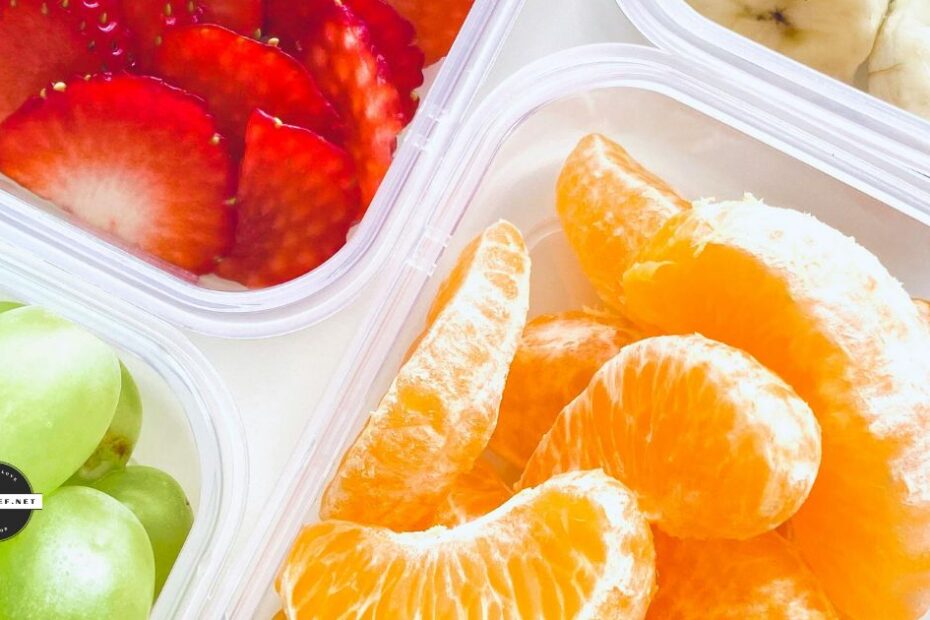
- Fresh apples, berries, or oranges
- Sliced fruit with yogurt
- Fruit salad
- Frozen grapes or banana slices
- Baked apples or pears
Yogurt and dairy-based snacks
Dairy adds protein and a creamy texture. Yogurt additionally provides some gut health benefits.
- Probiotic yogurt bites (with minimal added sugar)
- Greek yogurt with honey or fruit
- Cottage cheese with pineapple or berries
- Yogurt, granola, and fruit
Nut and seed-based snacks
Nuts and seeds are often high in fat, so watch portion sizes with these snacks:
- Trail mix with dried fruit
- Nut butter with apple slices or banana
- Energy balls made of nuts, oats, and dates
- Almonds with dark chocolate chips
Oat-based snacks
Oatmeal is a filling and fiber-rich snack base.
- Oatmeal with fruit and cinnamon
- Overnight oats
- Baked oatmeal squares
- Low-sugar granola bars
Read next: Healthy granola recipe
Dark chocolate and dessert-y snacks
Dark chocolate can satisfy those sweet cravings without excessive sugar.
- 70% or higher dark chocolate
- Chocolate-covered almonds
- Cocoa-dusted nuts
- Banana with drizzled, melted dark chocolate
Smoothies
- Banana, berries, and yogurt smoothie
- Green smoothies with apple juice for sweetness
- Protein smoothies
Read next: How to make nutritious smoothies
Baked treats
Depending on your diet, baked treats may be appropriate occasionally and in small portions.
- Low-sugar banana bread
- Oat muffins
- Applesauce brownies
- Whole-grain cookies
Snack portion sizes
Aim for a snack portion size that delivers about 200 calories. That’s enough to give you energy for a couple hours but not so much that it limits what you eat the rest of the day. Here are portion-size guidelines for popular healthy snacks:
- ¼ cup raw nuts
- 1 or 2 tablespoons of nut butter with fruit
- 1 medium apple, banana, or orange
- 1 cup of chopped fruit
- 3 tablespoons dried fruit
- ½ cup Greek yogurt or cottage cheese
- ½ cup oatmeal
- 1 or 2 squares of dark chocolate
- ¾ cup smoothie
How to evaluate premade sweet snacks
Simple, real foods should be your first option for healthy sweet snacks, but there are times when you need more convenient choices. In those times, you should know how to evaluate packaged healthy snacks. Here’s the process:
- Check the ingredients. The ingredient list should be short and emphasize foods you recognize. You want to see oats, nuts, fruits, and dairy. Avoid additives, corn syrup, and hydrogenated oils.
- Watch for added sugar. Added sugar per serving should be 10 grams or less. Cane sugar, brown rice syrup, agave, and fruit juice concentrates can be overused in packaged snacks.
- Look for a balance of protein, fiber, and healthy fats. These help you feel satisfied. Aim for 2 grams or 3 grams of fiber per serving. Fats from nuts, seeds, and dairy are better than refined vegetable oils and hydrogenated oils.
- Evaluate the portion size. The portion size may be too small to be satisfying. If you end up eating two or three “servings,” the calorie and macro counts on the label are not realistic.
Stocking sweet, smart snacks
The right sweet snacks satisfy your cravings while delivering essential nutrients. Opt for whole foods when possible. If you must indulge in packaged snacks, choose products with simple ingredient lists and a good balance of protein, fiber, and healthy fats.
And one last tip for success: As you stock your pantry with healthy snack options, make sure you also remove any tempting junk foods (see: how to do a pantry audit).