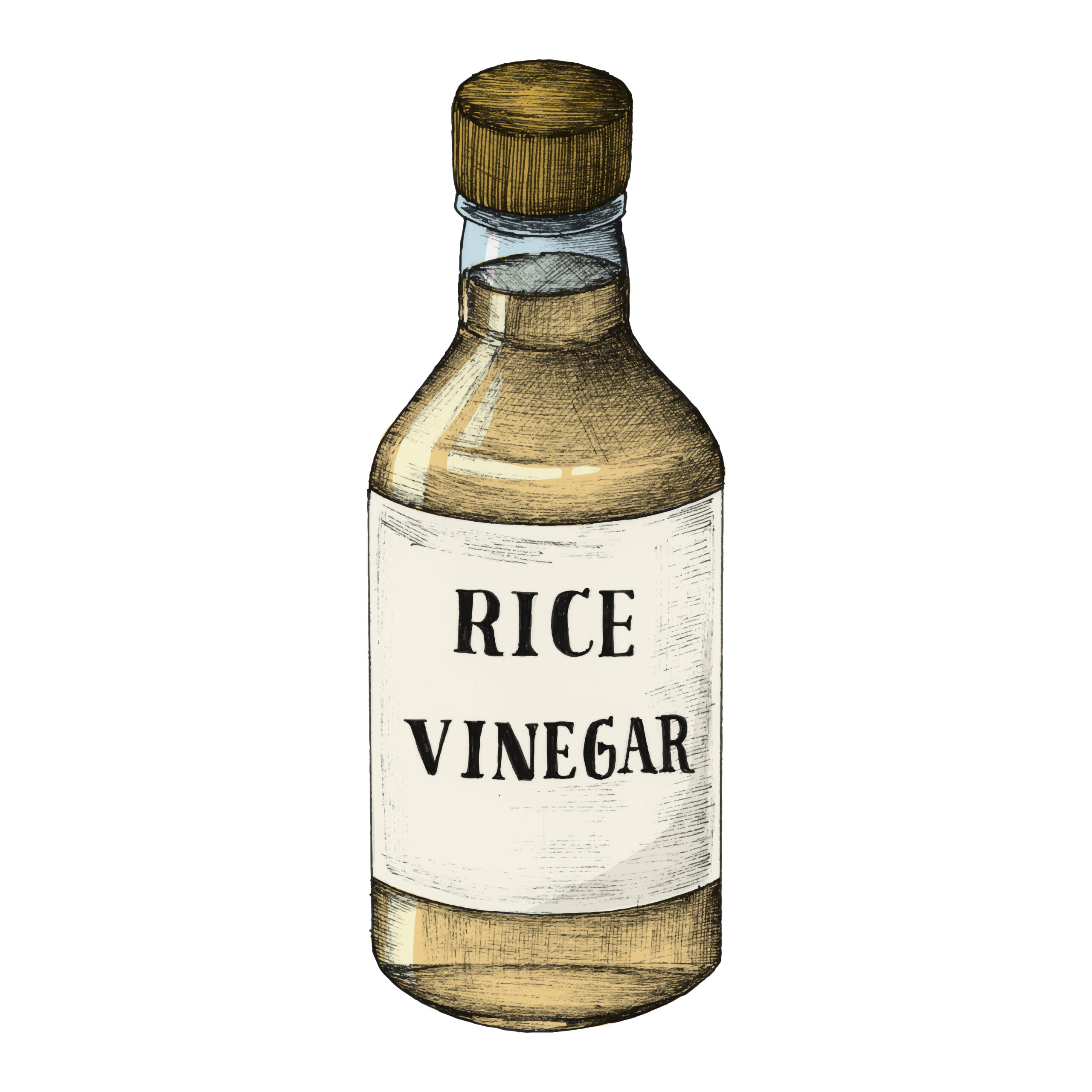
Rice vinegar is a culinary staple common in Asian recipes. If you find yourself needing a replacement for rice vinegar, stay calm and cook on. There are easy ways to substitute for this ingredient so you should have to make any emergency market trips.
White wine vinegar, apple cider vinegar, and champagne vinegar don’t replicate the exact flavor profile of rice vinegar, but they can stand in for it — especially if you’re willing to add sugar and salt to taste. The opposite rule applies to seasoned rice vinegar — you may need to reduce sugar and salt in the recipe. Lemon or lime juice can also work as a substitute, but only in certain recipes.
Read next: Vinegar uses and substitutes: A guide
White wine vinegar
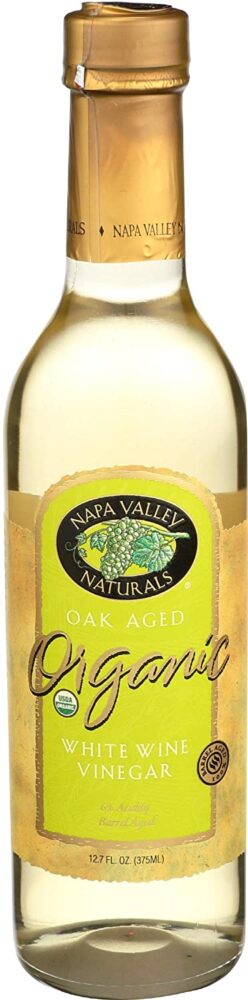
White wine vinegar is an acidic condiment made from fermented and oxidized white wine; it has a mild fruity flavor that pairs well with salad dressings, marinades, and sauces.
White wine vinegar is rich in organic acids and has some health benefits like regulating lipid abnormalities, controlling the glucose in the blood, and antimicrobial activities in the body.
A 1:1 ratio can be used but keep in mind that the rice vinegar is sweeter compared to the white wine vinegar, so when substituting, a quarter teaspoon of sugar can be added for every teaspoon of white wine vinegar you are adding to your recipe.
Apple cider vinegar
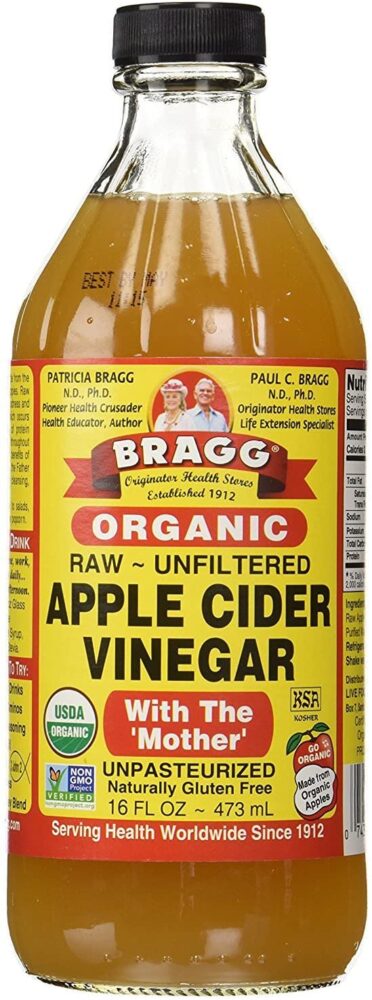
This is a type of vinegar made from fermented apple juice; it is also commonly used in salad dressings, sauces, and marinades. It has a mild acidic and apple taste that would easily substitute the rice vinegar in recipes.
Apple cider vinegar contains antimicrobial, antifungal, and antioxidant properties; these beneficial bacteria also aid the microbiome.
Apple cider vinegar fruity flavors are not as intense in most recipes but might be in a few recipes like picking. A 1:1 ratio can also be used when substituting, but to get a similar sweet taste like rice vinegar, a quarter teaspoon of sugar can be added to every teaspoon of apple cider vinegar you add to your recipe.
Champagne vinegar
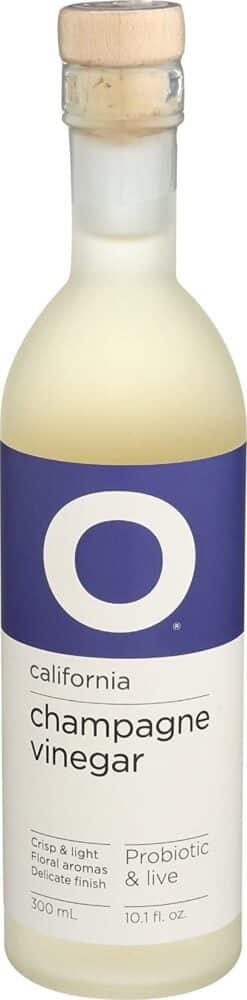
This vinegar is a fruit vinegar made from Chardonnay and pinot noir grapes which are then combined with the Acetobacter acetic bacteria. It is made from fermented champagne.
It has a mild and delicate floral flavor that wouldn’t overwhelm your dish. Champagne vinegar pairs well in salad dressings, marinades, dipping sauces, and seafood dishes. Since champagne vinegar is a fruit vinegar like white wine vinegar, it also has some health benefits. A 1:1 ratio can be used when substituting.
Read next: Brown rice vinegar substitutes
Seasoned rice vinegar
Seasoned rice vinegar is rice vinegar with added sugar and salt. This ingredient does substitute well for rice vinegar when you can reduce the amounts of sugar and salt elsewhere in the recipe.
Read next: Seasoned rice vinegar substitutes
Lemon and lime juice
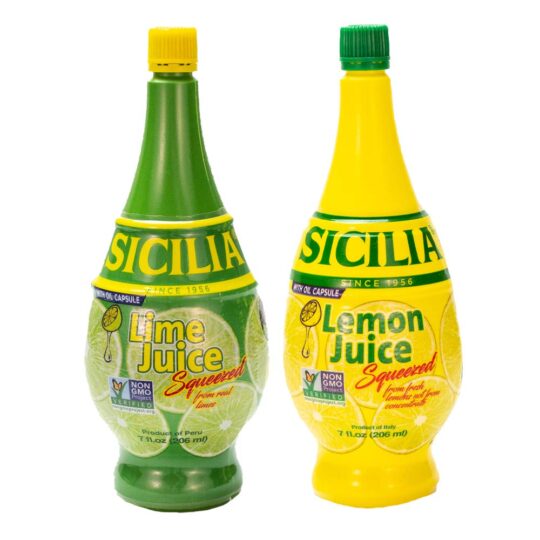
For a common alternative, lemon or lime juice can be used in place of rice vinegar. It is also acidic and would give a tangy taste to your recipe; it also houses a fruity citrus taste that may be retained after you’ve prepared your meal, so you should keep that in mind when using this substitute.
Using lemon and lime juice may not be the best for everyone, but this alternative is also nutritious and can be substituted using a 1:1 ratio.
What is rice vinegar?
Rice vinegar is produced from fermented rice and has sweet and savory flavors. The vinegar is made by converting rice to rice wine, then it goes through a bacteria-laden second fermentation process to produce the rice vinegar.
Rice vinegar is considered as one of the less acidic and mild-tasting vinegar, and it comes in different flavor profiles and colors since it is made in different regions; some of them include white rice vinegar, seasoned rice vinegar, black rice vinegar, brown rice vinegar, and red rice vinegar.
Note that there is also seasoned rice vinegar, which contains added sugar and salt. If you can reduce the amounts of sugar and salt in your recipe, seasoned rice vinegar also makes a good substitute.
Rice vinegar uses in recipes
The mild Umami and sweet taste the rice vinegar produces is why it is often incorporated in many recipes like salad dressings, marinades, pickles, soups, sauces, or lightly sprinkled over sautéed vegetables.
It is a staple in many Asian cuisines like the Chinese black rice vinegar and ginger. It is so popular in cuisine because of its low acidic profile, which makes it impart a mildly sweet flavor to recipes. These recipes use rice vinegar.
- Easter Curry Rice Salad
- Japanese Cucumber Salad
- General Tso Chicken
- Chinese Crispy Shredded Chilli Beef
- Chicken Fajita Marinade
- Chickpea Fruit Salad with a Strawberry Vinaigrette
- Instant Pot Cashew Chicken
- Sticky Asian Chicken Wings
- Black Bean Tofu Rainbow Dumplings
- Low Carb Vietnamese Noodle Bowl Salad
- Creamy Sesame Dressing
- Taiwanese-Inspired Dipping Sauce
- Toro Green Onion Hand Sushi Rolls
- Crispy Rice Topped with Spicy Tuna
- Sweet & Spicy Korean Noodles
Rice vinegar substitutes FAQs
What is the best rice vinegar substitute for sushi?
If you don’t have rice vinegar for a sushi recipe, use a mix of white wine vinegar plus sugar and salt as a substitute. Replace every 1 tablespoon of rice vinegar you need with 1 tablespoon of white wine vinegar plus 1/2 teaspoon sugar and 1/4 teaspoon salt. A second option is to mix the same quantities of sugar and salt with apple cider vinegar.
Can I substitute white vinegar for rice vinegar?
You can substitute white vinegar for rice vinegar, with some adjustments. Use less of the white vinegar and add a pinch of sugar. Then, taste and adjust.
Can I use lemon juice instead of rice vinegar?
You can use lemon or lime juice instead of rice vinegar in dressings or sauces. This substitution will add citrus notes to your dish, so it doesn’t work well in sushi.
Can I use seasoned rice vinegar in place of rice vinegar?
You can substitute seasoned rice vinegar for rice vinegar. Seasoned rice vinegar contains added sugar and salt, so reduce those ingredients elsewhere in the recipe if you can.
Which vinegars do not substitute well for rice vinegar?
Do not use distilled white vinegar or dark balsamic vinegar in place of rice vinegar. Distilled white vinegar is too harsh and dark balsamic is too rich in flavor and dark in color.
Conclusion
Rice vinegar is a sweet and savory mild acidic vinegar that is popular in a lot of recipes; the good thing about this vinegar is that it can be easily substituted if you eventually run out. Rice vinegar is arguably a unique condiment, but it’s not irreplaceable.