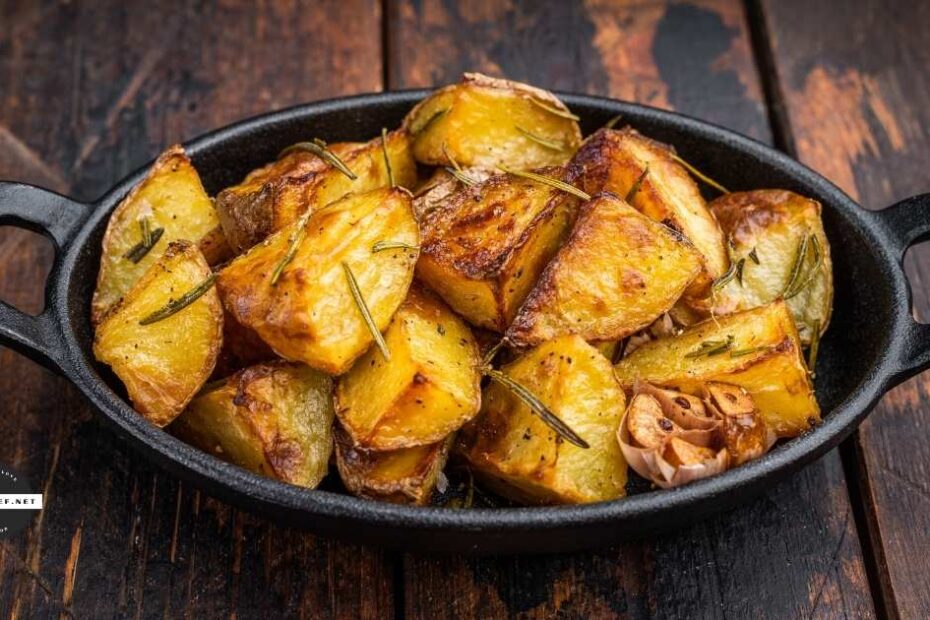
Cooking fats can operate quietly in the background, solely to keep your food from sticking to the pan. (I’m looking at you, vegetable oil.) Or they can enhance the flavor and feel of your recipes, like the way butter so perfectly complements a baked potato. Grass-fed beef tallow has that flavor-enhancing power along with a high smoke point and tons of versatility — qualities that may convince you that this cooking fat could be your new secret weapon in the kitchen.
Here’s how to use beef tallow and why it’s worth trying.
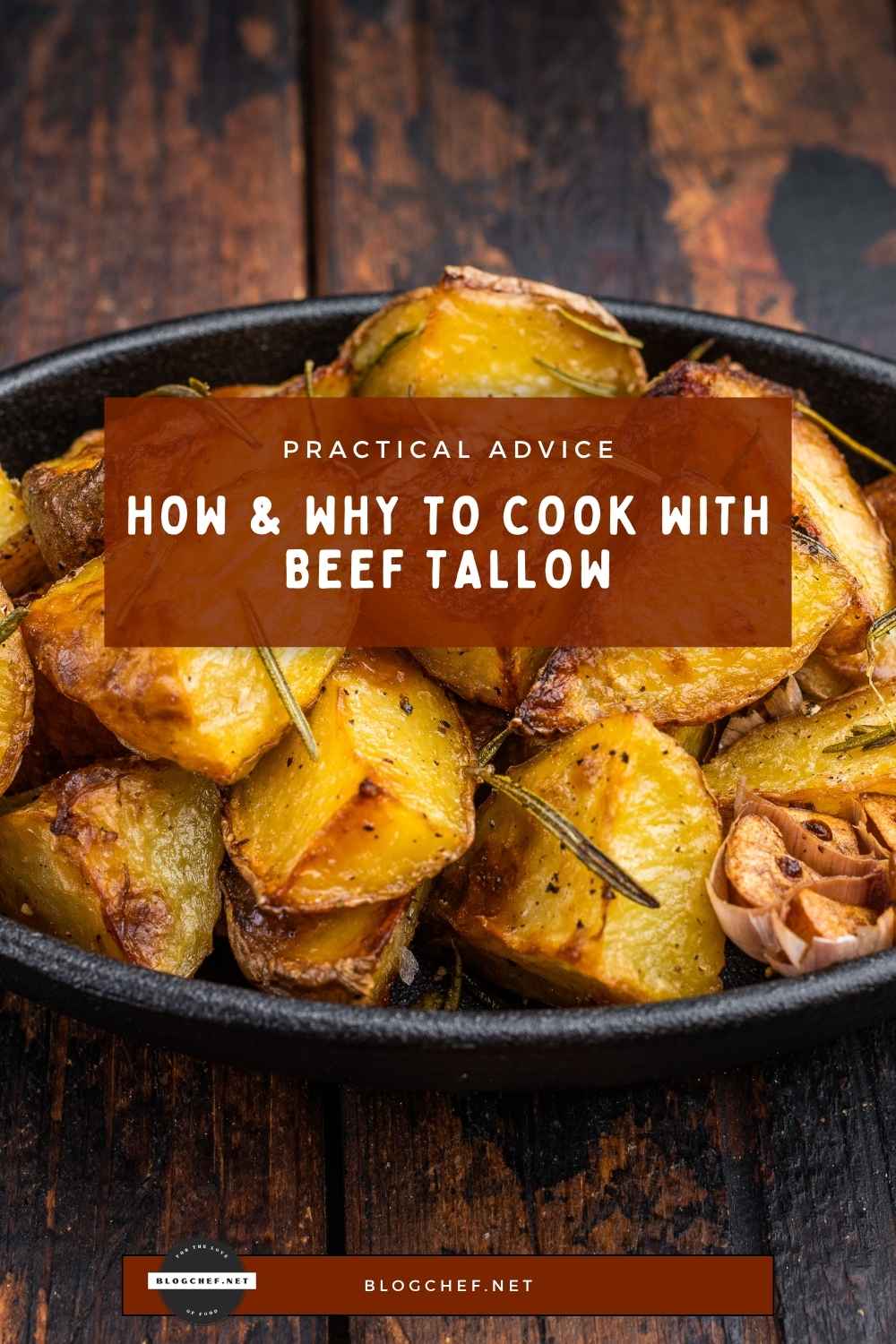
What is beef tallow?
Beef tallow is rendered and strained beef fat. It is made from suet, which is fat from around the kidneys. The approximate fat breakdown is:
- 50% to 55% saturated fat
- 40% to 45% monounsaturated fat
- 3% to 5% polyunsaturated fat
Tallow contains trace amounts of vitamins A, D, E, and K, omega fatty acids, and conjugated linoleic acid (CLA). Grass-fed beef tallow, which comes specifically from grass-fed cows, can have slightly higher amounts of these versus grain-fed tallow.
Beef tallow is 100% fat, so it doesn’t qualify as healthy by any standard. But it does have some interesting qualities. Vitamin K2, particularly abundant in grass-fed animal fats, plays a role in calcium metabolism and bone health. Omega-3 fatty acids and CLA have been studied for their potential anti-inflammatory properties and cardiovascular benefits. The clinical significance of dietary CLA remains an active area of research.
Beef tallow texture
Beef tallow can differ in texture depending on the fat composition. Grass-fed beef tallow is solid but waxy and scoopable at room temperature. It is firmer than vegetable shortening and lard, but it will soften in warm kitchens and firm up in cool kitchens. When you heat it, beef tallow melts into a clear, stable cooking fat.
Read next: Substitutes for butter in mashed potatoes
Why cook with beef tallow
The two reasons to start cooking with beef tallow are its high smoke point and its rich, savory flavor.
- Smoke point. Beef tallow can handle high heats without breaking down or turning bitter. Its smoke point is around 400°F or 204°C, which means it’s better than butter or lard for searing, frying, or roasting.
- Flavor. Beef tallow is rich and savory, but not greasy, heavy, or dominant. It tends to perform as a flavor-enhancer for things like potatoes, eggs, and vegetables.
Beef tallow vs. butter and oil
You might wonder why you should switch away from butter or oil to use beef tallow. Truth is, the answer depends on what you’re making. Beef tallow isn’t necessarily better than butter or oil, but it can be a more workable choice for high-heat cooking.
- Relative to butter, beef tallow has a higher heat tolerance, more neutral flavor, and less water. It remains stable and cooks cleanly at high temperatures, two things butter cannot do.
- Relative to oil, tallow is minimally processed, more heat-stable, and more flavorful. It can also add more crisp to your dishes than many oils can.
Best foods to cook with beef tallow
Beef tallow can deliver crispy roasted potatoes that are fluffy inside, roasted Brussels sprouts, and possibly the best fried eggs you’ll ever eat. You can also use beef tallow to:
- Enhance browning and flavor of steaks and burgers
- Caramelize carrots or onions
- Pan fry chicken, hash, and skillet meals
Read next: How to reverse sear steak
Where to get beef tallow and what it costs
You can find beef tallow at local butcher shops, farmers markets, specialty grocery stores, and online retailers like Golden Age Fats, Greensbury Market, or Five Marys Farms. Prices vary from $20 and up, with quality, grass-fed varieties commanding a premium price tag.
Where to start with beef tallow
If you’re ready to start experimenting with beef tallow, try these beginner-friendly ideas:
- Replace half the oil in your roasted vegetable recipes
- Use a small scoop of beef tallow to finish soups and stews
- Use beef tallow instead of butter or oil to sear steaks and other proteins
- Swap beef tallow in 1:1 for shortening in your biscuit recipes or — this might blow your mind — pie crust
- Toss cubed sweet potatoes, carrots, and parsnips with melted beef tallow, salt, and fresh thyme. Roast the veggies on a baking sheet 425°F or 218°C until caramelized.
Read next: How to roast small potatoes
Upgrade your cooking fat game
Cooking fats can do so much more than prevent your foods from sticking. Try beef tallow and you’ll see — this flavor-boosting fat can add a new dimension to everything from pies to fried eggs.