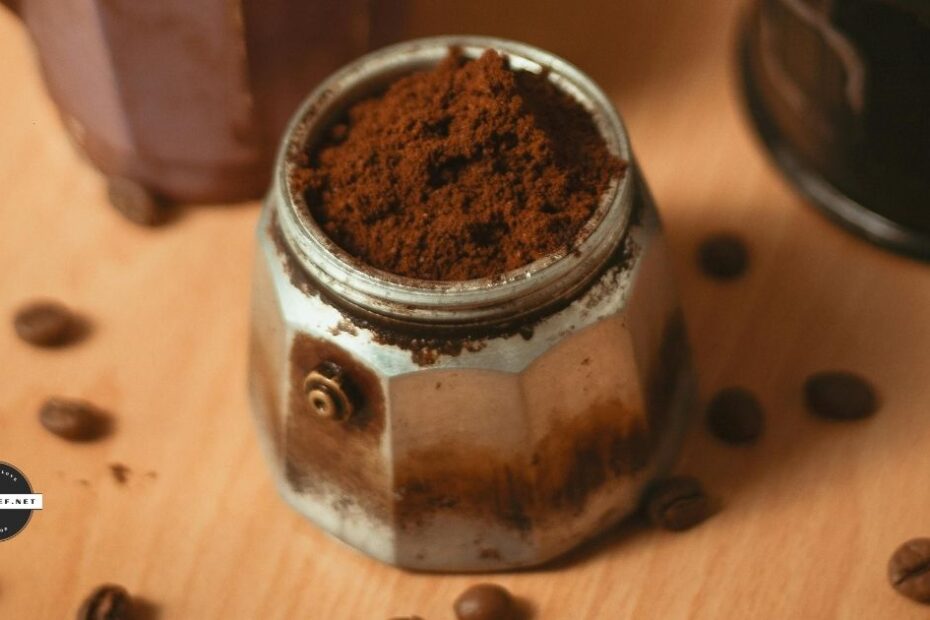
I like keeping espresso powder on hand because it’s one of those small ingredients that quietly improves a recipe. It doesn’t make your desserts taste like coffee but it does deepen flavor, especially in chocolate. Espresso powder also balances sweetness so everything tastes more complete.
But if you don’t have it, you’re not stuck. There are several easy substitutes that work well. Here’s what you should know to choose the right espresso powder stand-in confidently.
About espresso powder
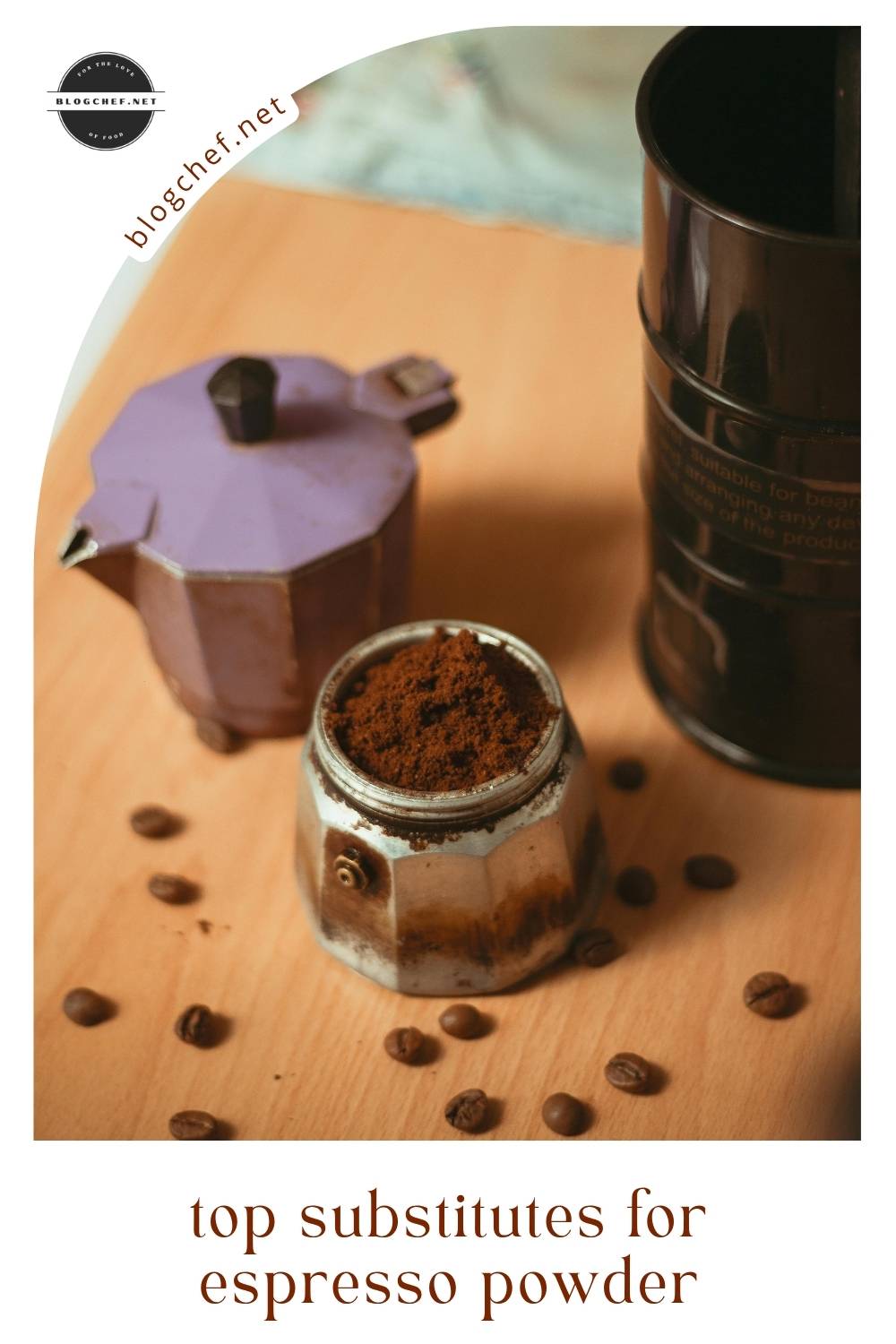
Espresso powder is made from brewed espresso that’s been dried and ground into a fine, concentrated powder.
In recipes, espresso powder is a lovely flavor booster. It enhances chocolate, adds a slight bitterness that balances sugar, and brings depth without changing the texture of a batter or dough.
There are times when espresso powder can feel too strong, especially if you’re sensitive to coffee flavor. If you’re working with a recipe that includes espresso powder, but you actually hate coffee, you probably need to take a different approach. See our guide on how to make black coffee taste good for tips on softening and balancing that bold coffee flavor.
5 top substitutes for espresso powder
- Instant coffee. This is the closest substitute. It dissolves the same way and provides a similar coffee flavor, just less concentrated. If you want the full flavor effect of espresso powder, use slightly more instant coffee than the indicated amount for espresso powder.
- Brewed coffee or espresso. This works well in recipes that already include liquid, like cakes or brownies. Replace part of the liquid with strong coffee to add depth. I like this option when I want a smoother, less sharp coffee flavor.
- Cocoa powder. A great option when you want the depth without the coffee taste. Like espresso powder, cocoa adds a subtle bitterness that enhances chocolate desserts.
- Finely ground espresso beans. This gives you real coffee flavor, but texture matters. The grind needs to be very fine, or you risk a slightly gritty result. Start with half as much as the recipe calls for and mix thoroughly.
- Mushroom coffee. This works in a pinch if you’re just looking for added depth. It’s milder and more earthy than espresso powder, so the flavor will be softer and less distinctly coffee-forward. I treat it like a weaker instant coffee and increase the amount slightly if needed. Side note: Mushroom coffee is a blend of adaptogenic mushrooms and coffee that’s trending among wellness-minded beverage enthusiasts. If you’re interested in exploring functional coffee alternatives with health benefits, https://www.ryzesuperfoods.com/ offers a comprehensive mushroom coffee guide.
How to choose the right substitute
The best substitute depends on the recipe.
If I’m making a chocolate dessert and just want that deeper, richer flavor, cocoa powder is often enough. If the recipe is meant to have a clear coffee note, like mocha brownies, instant coffee and brewed espresso are better choices.
Also think about sweetness. Coffee and espresso naturally balance sugar, so if you’re adjusting one, it can affect the other. If you’re tweaking both at the same time, it helps to understand your options for sweetness too. See our guide to the best sugar substitutes for coffee as a reference when making those adjustments.
Tips for getting the best results
Keep these four strategies in mind when substituting for espresso powder.
- Start small. Substitutes vary in strength. Starting small and adding more is easier than fixing an overpowering flavor.
- Adjust liquids carefully. If you use brewed coffee as your sub, reduce other liquids slightly to keep the texture right.
- Match intensity. Instant and mushroom coffee are milder, so you may need a bit more.
- Mix thoroughly. Mixing helps you keep a consistent flavor and texture, especially when you’re using ground coffee.
Espresso powder substitutions, done right
Espresso powder is a small ingredient that adds noticeable depth, but it’s also flexible. To make a successful substitution, first decide whether you’re replacing coffee flavor or boosting richness. That’ll point you to the right stand-in. Then, start small and adjust to get the right flavor and texture. That ensures you’ll be happy with the results and more confident with these ingredients going forward.