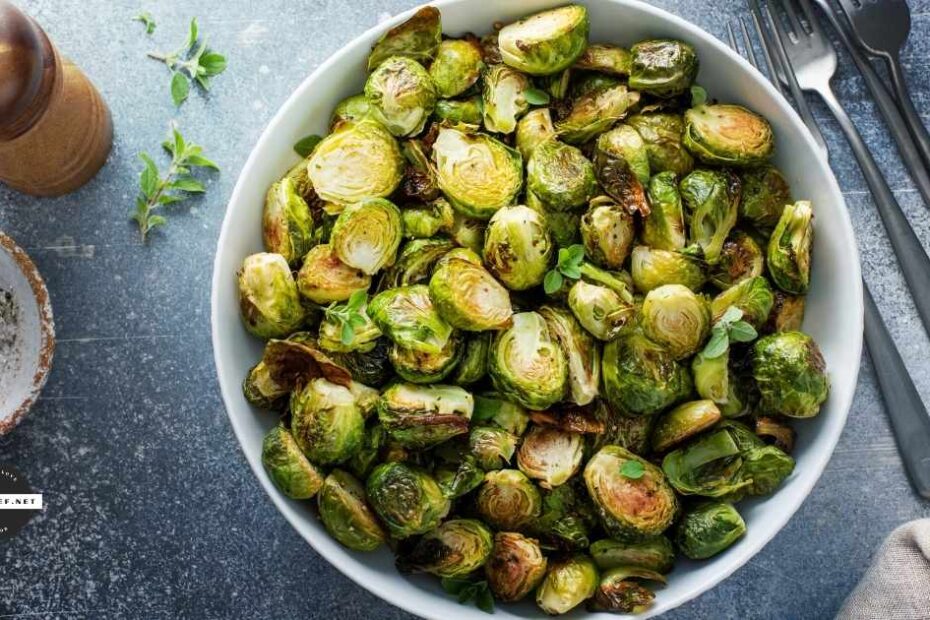
Roasting Brussels sprouts in the oven is one of the easiest ways to bring out their natural sweetness. At 425°F, halved Brussels sprouts take about 20 to 25 minutes to develop crispy, golden-brown edges and tender centers. All you need is olive oil, salt, pepper, and a baking sheet to make a flavorful side dish that goes with almost any meal.
Brussels sprouts have a slightly earthy, cabbage-like flavor with a hint of bitterness. Roasting transforms that flavor by caramelizing the natural sugars on the surface, creating crispy outer leaves and a sweeter, nuttier taste. Even people who aren’t usually fans of Brussels sprouts may enjoy them prepared this way.
- Roast halved Brussels sprouts at 425°F for 20 to 25 minutes to get crispy, caramelized edges and tender centers.
- Dry the sprouts thoroughly, coat lightly with olive oil, and arrange cut-side down without overcrowding the baking sheet.
- Roasting brings out Brussels sprouts’ natural sweetness and reduces their perceived bitterness. Add balsamic vinegar, Parmesan, or bacon for extra flavor.
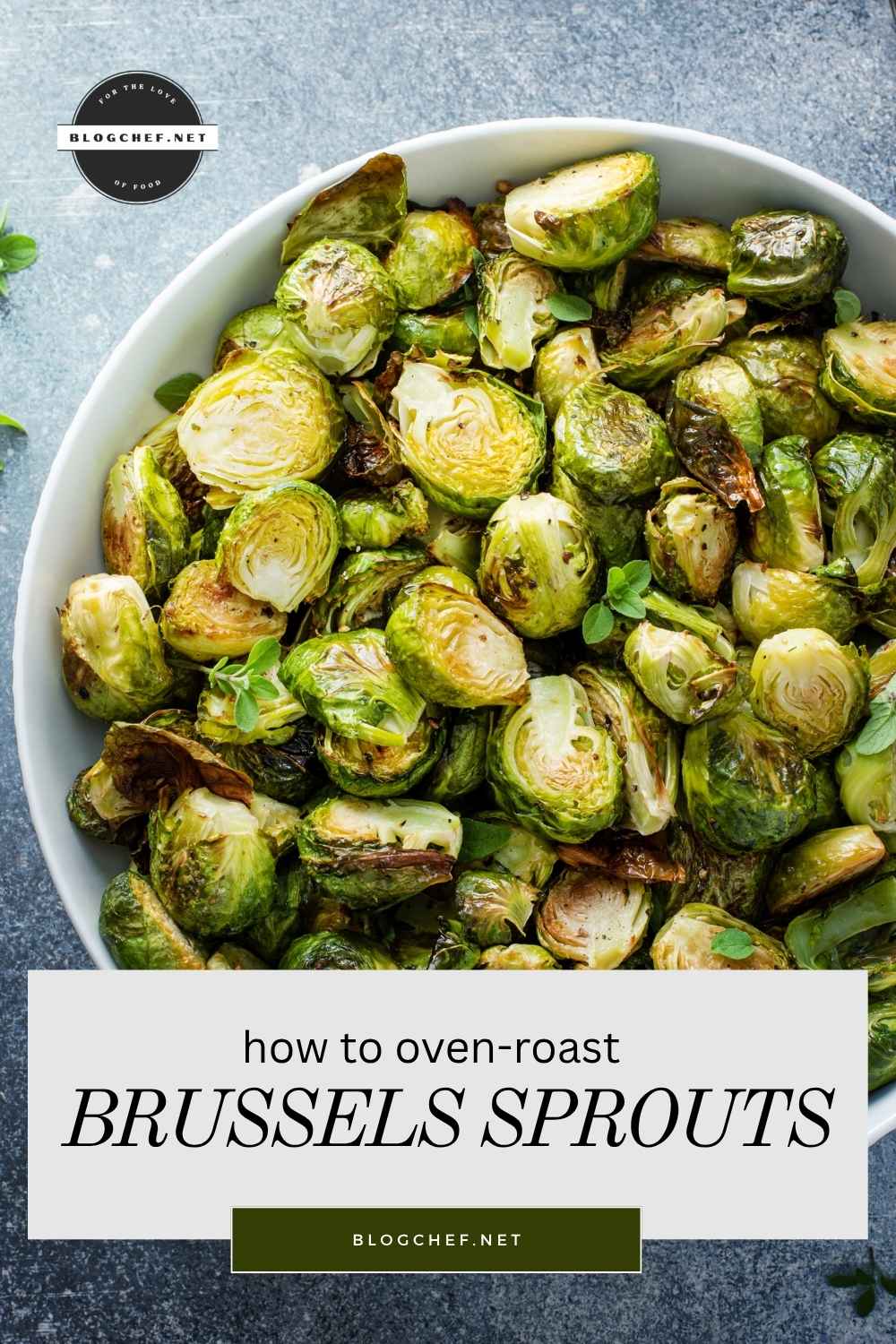
I like serving oven-roasted Brussels sprouts alongside grilled chicken, pork tenderloin, or roasted turkey. They’re simple enough for a weeknight dinner but also make a great addition to a holiday menu. You can keep the seasonings basic or finish them with Parmesan cheese, crispy bacon, or a drizzle of balsamic vinegar.
How long to cook Brussels sprouts in the oven
The quickest, most reliable way to get crispy Brussels sprouts with tender centers is roasting them at 425°F for 20 to 25 minutes. The exact cooking time depends on their size and whether you leave them whole or cut them in half.
If you have enough time, I encourage you try roasting halved Brussels at 375°F for about 35 minutes. They are less likely to burn this way and they still develop that nice crispiness on the outside.
| Oven temperature | Halved Brussels sprouts | Whole Brussels sprouts |
|---|---|---|
| 375°F | 25–35 minutes | 35–45 minutes |
| 400°F | 20–30 minutes | 30–40 minutes |
| 425°F | 20–25 minutes | 25–35 minutes |
| 450°F | 15–20 minutes | 20–30 minutes |
How to prepare Brussels sprouts for roasting
Start by choosing Brussels sprouts that feel firm and have tightly packed, bright green leaves. Avoid sprouts with extensive yellowing, slimy spots, or a strong unpleasant odor. A few loose or slightly discolored outer leaves are normal and can be removed during preparation.
Rinse the sprouts under cool running water and pat them thoroughly dry. Trim the tough ends of the stems, then remove any damaged outer leaves. Cut each sprout in half lengthwise through the stem so the leaves stay together during roasting.
For particularly large Brussels sprouts, cut them into quarters to help them cook evenly. Try to keep the pieces roughly the same size so they’re ready at about the same time.
Tips for crispy oven-roasted Brussels sprouts
Roast at the right temperature
Many chefs will argue that high heat is the secret to Brussels sprouts with crispy edges and tender centers. That’s how 425°F became the default roasting temperature. I’ve used this method many times and I have recently changed my approach. Now I roast Brussels at 375°F for 35 minutes. With my oven, the lower temperature cuts down on the bitter, burned outer leaves but still produces a lovely texture.
The best way to understand which approach suits you best is to try them both.
Dry the sprouts before adding oil
Excess moisture is one of the biggest obstacles to crispy roasted Brussels sprouts. If the sprouts are wet when they go into the oven, they’ll steam before they begin to brown.
After rinsing, pat them dry with a clean kitchen towel or paper towels. Toss them with olive oil only after you’ve removed as much surface moisture as possible.
Arrange them cut-side down
Place halved Brussels sprouts cut-side down on the baking sheet. The flat surfaces make direct contact with the hot pan, helping them develop a deeply browned, caramelized crust.
For the best results, leave them undisturbed for most of the cooking time. You can check their progress near the end and turn them if needed, but frequent stirring makes it harder to develop those golden-brown surfaces.
Leave space on the baking sheet
Spread the Brussels sprouts in a single layer with a little space between the pieces. When they’re packed too tightly, moisture gets trapped and the sprouts steam instead of roast.
If you’re cooking a large batch, use two baking sheets rather than piling everything onto one. For extra browning, roast the sprouts directly on a lightly oiled metal baking sheet instead of parchment paper.
Use enough oil, but not too much
Olive oil helps the Brussels sprouts brown evenly and gives the outer leaves a crisp texture. For 1 pound of sprouts, about 1½ to 2 tablespoons of olive oil is usually enough.
Toss the sprouts until they’re lightly coated without leaving excess oil pooling on the baking sheet. Season with salt and pepper before roasting so the flavor develops as they cook.
How to make Brussels sprouts less bitter
Brussels sprouts contain naturally occurring compounds that give them a slightly bitter flavor. Cooking changes how that bitterness comes across, and roasting is particularly effective because browning adds sweet, nutty flavors that balance it.
You don’t need to boil Brussels sprouts in lots of water to make them taste good. In fact, boiling can leave them watery and soft, especially if they’re overcooked. Roasting with olive oil produces a more flavorful result while preserving a pleasantly firm texture.
If you still find Brussels sprouts too bitter, try finishing them with a little sweetness or acidity. A drizzle of balsamic vinegar, a small amount of honey, or a squeeze of lemon juice can balance their flavor without covering it up.
Easy ways to flavor roasted Brussels sprouts
Once you’ve mastered the basic roasting method, it’s easy to change the flavor with a few additional ingredients.
- Balsamic Brussels sprouts. Drizzle the roasted sprouts with 1 to 2 teaspoons of aged balsamic vinegar or balsamic glaze just before serving. The sweet-tart flavor complements their caramelized edges.
- Parmesan Brussels sprouts. Sprinkle freshly grated Parmesan over the sprouts during the last 5 minutes of roasting. The cheese adds a salty, savory finish and can develop crispy edges.
- Brussels sprouts with bacon. Toss the finished sprouts with cooked, crumbled bacon. For extra flavor, add a little of the rendered bacon fat before roasting.
- Garlic Brussels sprouts. Add minced garlic during the last 5 minutes of cooking to prevent it from burning. Garlic powder is another easy option and can be added before roasting.
- Honey-Dijon Brussels sprouts. Whisk together a little honey and Dijon mustard, then toss with the roasted sprouts. The combination adds sweetness and tanginess without overpowering the vegetables.
- Lemon and black pepper Brussels sprouts. Finish with fresh lemon juice, lemon zest, and freshly ground black pepper for a lighter, brighter side dish.
How to tell when Brussels sprouts are done
Properly roasted Brussels sprouts should have deep golden-brown spots on their cut surfaces and crisp, slightly browned outer leaves. The centers should be tender enough to pierce easily with a fork but not mushy.
If the sprouts are browned outside but still too firm inside, lower the oven temperature slightly and continue roasting for another 5 minutes. If they’re tender but pale, give them a few more minutes at high heat to develop more color.
How to store and reheat roasted Brussels sprouts
Store leftover roasted Brussels sprouts in an airtight container in the refrigerator for up to 3 to 4 days. Let them cool briefly before refrigerating, but don’t leave them at room temperature for more than 2 hours.
For the best texture, reheat them in a 400°F oven for about 5 to 10 minutes or in an air fryer at 375°F for 3 to 5 minutes, until heated through. Both methods help restore some of their crispness.
You can also reheat Brussels sprouts in the microwave, although they’ll be softer. I prefer the oven or air fryer when I want to preserve those crispy, caramelized edges.
Frequently asked questions
Should you cut Brussels sprouts in half before roasting?
Yes, cutting Brussels sprouts in half helps them cook more quickly and creates a flat surface that browns beautifully against the baking sheet. You can roast small sprouts whole, but larger ones are usually better halved or quartered for even cooking.
Is it better to roast Brussels sprouts at 400°F or 425°F?
Both temperatures work well, but 375°F is my preference for crispy Brussels sprouts. The lower heat produces tender centers with less burning on the outside.
Do you need to boil Brussels sprouts before roasting?
No, there’s no need to boil Brussels sprouts before roasting them. They cook directly in the oven, and skipping the boiling step helps prevent excess moisture that can interfere with browning.
Why are my roasted Brussels sprouts soggy?
Soggy Brussels sprouts are usually caused by excess moisture, overcrowding, or an oven temperature that’s too low. Dry them thoroughly, spread them out on the baking sheet, and roast at 425°F for the best chance of crispy edges.
Can you roast frozen Brussels sprouts?
Yes, but frozen Brussels sprouts usually won’t get quite as crispy as fresh ones because they release more moisture. Roast them directly from frozen at 425°F for approximately 30 to 40 minutes, depending on size. Spread them out well and turn them occasionally as the moisture evaporates.
Blogchef takeaway
Oven-roasted Brussels sprouts are an easy way to turn a simple vegetable into a flavorful side dish. Roasting at 425°F for 20 to 25 minutes gives halved sprouts caramelized edges and tender centers without requiring much preparation.
Start with olive oil, salt, and pepper, then experiment with balsamic vinegar, Parmesan, bacon, or lemon to suit your meal. Once you get the temperature and timing right, crispy Brussels sprouts are easy enough to make any night of the week.