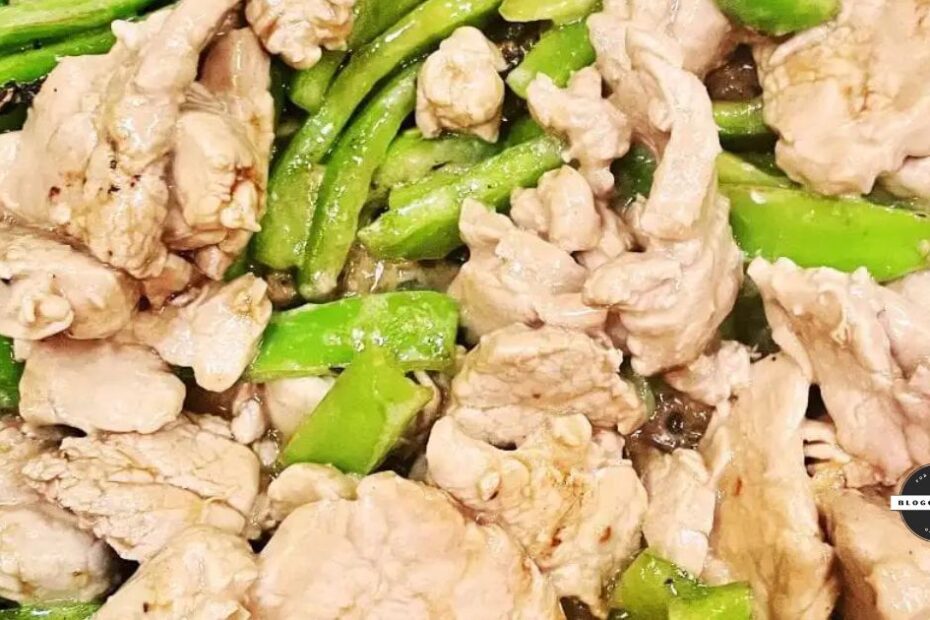
January often brings the inspiration to eat lighter and feel better. But that motivation gets sapped quickly if your New Year’s diet skimps on calories and flavor. That’s why I love stir fry so much. Endlessly versatile and full of flavor, stir fry can be nutritious, high protein, low calorie, easy to prepare, and delicious all at the same time. I can’t think of any other cooking method that ticks all those boxes.
Getting started with stir fry
You don’t need fancy equipment to get started. A wok is nice to have, but a large, nonstick skillet works fine too. Of course you need a good source of heat — gas burners are the most forgiving, but you can stir-fry on an electric burner or even a reasonably powerful hotplate. You may also want to have a wooden spoon and tongs on hand, plus at least one cutting board and a sharp knife.
TOC
Essential stir-fry ingredients
Basic stir-fry dishes rely on these ingredients:
- Oil. Choose a high-smoke-point oil like avocado, peanut, canola, or grapeseed. I like avocado oil, but it’s more expensive than peanut or canola oil.
- Protein. Chicken, beef, pork, shrimp, tofu, or tempeh all work. Leaner cuts of chicken, beef, and pork align best with healthy eating goals.
- Vegetables. Invest in at least two different vegetables. Variety in taste, texture, and color make for a more interesting eating experience. Good options for beginners include snap peas, bell peppers, mushrooms, spinach, and zucchini.
- Soy sauce. Soy sauce is a common base for stir-fry sauces.
- Fish sauce or hoisin sauce. Fish sauce adds a savory complexity to Asian sauces, while hoisin sauce adds sweetness.
- Garlic, ginger, chili flakes, lime. You can use these flavor boosters to deepen and customize the flavor profile of your sauces.
- Optionally, brown rice, quinoa, or cauliflower rice. Round out your stir-fry meals with your choice of grain.
Customizable stir-fry formula
Learn this stir-fry formula, and you can make a nearly endless array of dishes by swapping in different proteins, vegetables, grains, and sauce ingredients.
1. Make the stir-fry sauce
Combine these ingredients in a medium-sized bowl.
- 2 tablespoons soy sauce
- 1 tablespoon oyster or hoisin sauce
- 1 teaspoon sesame oil
- 1 teaspoon cornstarch mixed with 2 teaspoons water
- Optionally, 1/2 teaspoon chopped garlic and/or grated fresh ginger
2. Do your prep work
Stir-fry dishes come together quickly, so you want everything ready before you start cooking. That includes choosing your grain and timing its preparation accordingly. My pro tip here is to cook your rice in an Instant Pot. If you get the measurements right, you won’t have to check on the rice or add water. It can also be done early and it will stay hot as long as you leave the Instant Pot lid on.
Your next prep task is cutting your protein and veggies into bite-sized pieces. I like to do this on two separate cutting boards, so I can keep the raw meat from touching my vegetables. Try to keep your pieces similar in size — they’ll cook more evenly that way.
If you want to use extra aromatics on top of what’s in your sauce, chop them now. You can’t go wrong — in my opinion anyway — with a bit more fresh garlic and ginger or some chopped fresh scallions.
Also, set out a plate covered with a paper towel. You’ll use this to hold your protein after it sears.
3. Sear protein, cook veggies
Now for the fun part. Heat your skillet over high heat. Once you think it’s hot, add a drop of water. If the water sizzles and evaporates quickly, your pan is ready for the next step.
Add a tablespoon or more of oil to the pan. Follow with your protein. Let it sear, stir gently to flip the pieces over, then sear on the other side. Remove the protein to your prepared plate.
Next, add your vegetables. Start with firmer veggies and follow with ones that cook faster. Below are timing guidelines you can use as a starting point. Note that you’ll return the protein to the pan and continue cooking for another minute or so. This means your veggies should be slightly underdone when you add the protein back.
Longer-cooking vegetables. Add these first and expect them to reach crisp-tender doneness in about 5 to 7 minutes.
- Carrots
- Broccoli and broccolini
- Cauliflower
- Green beans
- Brussels sprouts, thinly sliced
- Asparagus, thicker spears
- Snap peas with very thick pods
- Cabbage, especially green cabbage
Medium-cooking vegetables. Add these second. They should reach crisp-tender doneness in 4 to 6 minutes.
- Onions
- Mushrooms
- Bell peppers
- Snow peas
Quick-cooking vegetables. These go into your stir-fry pan last. They can cook in 2 to 4 minutes.
- Zucchini
- Summer squash
- Spinach
- Bok choy leaves (stems cook longer)
- Bean sprouts
- Scallions
4. Finish and serve
Once the veggies are nearly done, add your aromatics and cook, stirring, for 30 seconds. Then return the protein to the pan and add the sauce. Cook and stir until the sauce thickens, the ingredients are coated, and the protein is fully cooked. This can take 1 minute or more, depending on the size of your protein pieces.
Scoop your stir fry atop your choice of grain and enjoy with extra soy sauce and chili flakes.
Read next: How to make Chinese food at home
Stir-fry recipes
Here’s a selection of beef, chicken, and shrimp stir fries to try. Opt for leaner cuts of beef for these and use minimal oil to keep things healthy. If the recipe includes noodles, substitute brown rice or cauliflower rice instead.
You may also come across stir fries that involve deep-frying the meat before stir-frying the veggies and adding the sauce. You can easily convert those recipes to healthier versions — simply stir-fry the meat instead of deep-frying.
Lastly, note that many stir-fry recipes have peanuts, which add a lot of fat and calories to your recipes. If you’re leaning into a low-fat, low-cal January, skip the peanut recipes.
Beef stir-fries
Shrimp stir-fries
Chicken stir-fries
Pork stir-fries
The nutritional advantages of stir-frying
These qualities make stir fry a workhorse for low-calorie meal plans:
- Built-in portion balance. A classic stir fry naturally combines vegetables, protein, and a moderate amount of carbs. It’s the balanced plate without measuring or calorie counting.
- Veggie-forward without effort. High heat and quick cooking keep vegetables crisp-tender, flavorful, and nutrient-rich. The crunch element of crisp-tender veggies tends to be vastly more satisfying than, say, soggy canned green beans.
- Lean protein, maximum flavor. Chicken breast, shrimp, tofu, and tempeh cook quickly and soak up flavor without needing much oil.
- Sauces you control. A few tablespoons go a long way. You decide the sodium, sweetness, and spice level.
- Meal-prep friendly. Prep your vegetables and sauce ahead of time, and healthy stir-fry dinners come together in minutes.
Pro tips for healthier stir fries
- Use a nonstick or well-seasoned pan to reduce oil.
- Double the vegetables for a lighter, more filling meal.
- Choose lean proteins or plant-based options.
- Use lower-sodium soy sauce.
- Avoid recipes that deep-fry the protein before stir-frying the vegetables
- Limit use of sugar in sauces
Healthy eating all year long
Stir-frying is one of the easiest ways to eat well — not just in January, but all year long. Master the technique and you can have fun mixing-and matching your own stir-fry creations.