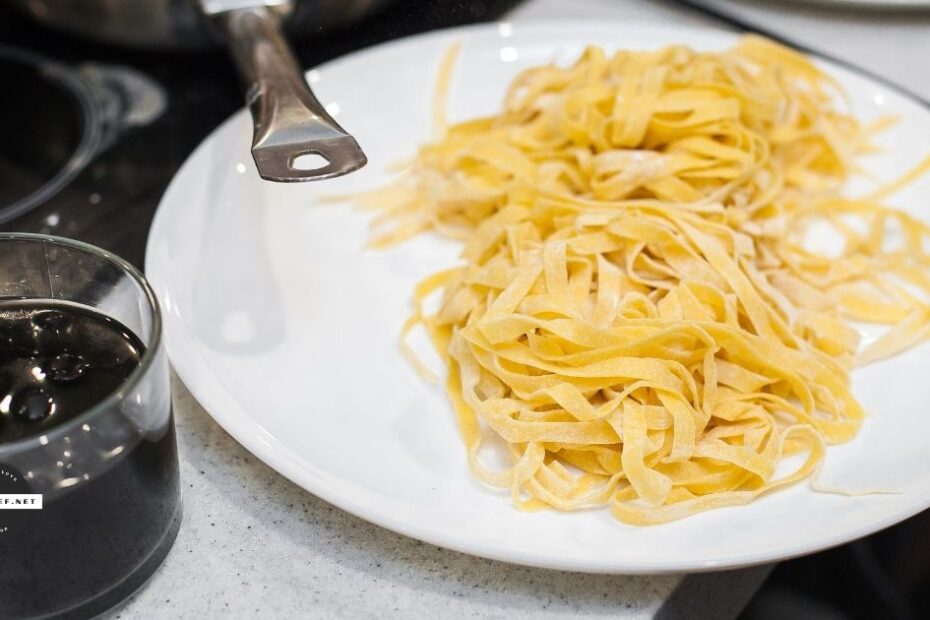
Pasta has earned its reputation as one of the most versatile pantry staples around. It’s inexpensive, cooks quickly, and pairs with just about any sauce or protein you have on hand. But if you’re preparing pasta the same way every time, you’re missing out on some easy upgrades.
The good news is that you can make better pasta with a few simple techniques. Add flavor, improve texture, and save time without expensive ingredients or culinary training. Whether you’re cooking on a budget or just looking to elevate your weeknight dinners, these pasta hacks are worth trying.
1. Toast dry pasta before boiling
One of the easiest ways to add flavor is to toast dry pasta before cooking it.
Spread the uncooked pasta on a baking sheet and bake at 350°F for about 10 minutes, or toast it in a dry skillet over medium heat for 3 to 5 minutes. The pasta develops a subtle nutty flavor that shines through in simple butter or olive oil sauces.
Read next: How long does it take for pasta to cook?
2. Cook pasta in stock instead of water
Water cooks pasta, but stock seasons it.
Replace all or part of the cooking water with chicken, beef, or vegetable stock to give the noodles more flavor from the inside out. This works especially well for soups, creamy sauces, and one-pot pasta dishes. Try it the next time you make our spaghetti sauce recipe.
3. Salt the cooking water generously
One of the biggest mistakes home cooks make is under-seasoning the pasta water.
The water should taste pleasantly salty, so aim for about 1 to 2 tablespoons of kosher salt per gallon of water. Properly seasoned water is your first opportunity to flavor the pasta itself.
4. Finish the pasta in the sauce
Professional chefs rarely drain pasta and immediately serve it.
Instead, transfer the pasta to the sauce while it’s still slightly undercooked. Toss everything together over medium heat for one or two minutes so the noodles absorb the sauce instead of simply wearing it on the outside. You can do this with our Olive Garden Bolognese sauce recipe.
5. Save your pasta water
Before draining the pasta, reserve about a cup of the starchy cooking water.
A splash of pasta water helps loosen thick sauces while creating a silky texture that clings beautifully to the noodles.
Read next: Heavy cream substitute for pasta
6. Brown your butter
You probably already know how to make buttered noodles. But browned butter noodles? Even better.
Cook butter over medium heat until the milk solids turn golden brown and smell nutty. Toss with pasta, Parmesan, sage, or roasted vegetables for a restaurant-worthy meal.
7. Top with toasted breadcrumbs
Crunchy toasted breadcrumbs add texture and flavor to pasta without adding much cost.
Cook fresh or Panko breadcrumbs in olive oil with garlic until golden brown, then sprinkle them over finished pasta with cooked spinach, chopped parsley, and grated Parmesan.
8. Roast your vegetables
Instead of boiling vegetables, roast them.
Broccoli, cauliflower, Brussels sprouts, tomatoes, peppers, mushrooms, and zucchini all develop deeper flavor in the oven, making them excellent additions to pasta.
9. Turn leftovers into a crispy skillet dinner
Leftover pasta doesn’t have to be reheated in the microwave.
Heat a little olive oil in a skillet and cook the leftover pasta until the bottom becomes golden and crispy. Flip portions as needed and top with fresh herbs or grated cheese.
10. Bake leftover pasta
Baked pasta isn’t just for lasagna.
Mix leftover pasta with a little extra sauce and cheese, then bake until bubbly. The crispy edges and melted cheese give yesterday’s dinner a whole new personality.
Read next: Baked Ziti casserole recipe
11. Make crispy pasta chips
Cooked lasagna noodles can become surprisingly addictive snacks.
Cut cooked noodles into pieces, brush lightly with olive oil, season with Parmesan and Italian herbs, then bake or air fry until crisp. Serve with marinara, Alfredo, or spinach dip.
12. Add fresh herbs at the end
Fresh herbs lose much of their flavor when cooked for too long.
Instead, stir in basil, parsley, chives, dill, or oregano just before serving for a brighter, fresher finish.
13. Brighten rich sauces with citrus
A squeeze of lemon juice or a little lemon zest can transform creamy pasta dishes.
The acidity cuts through heavy sauces and balances rich ingredients like butter, cream, bacon, and cheese.
14. Freeze individual portions
Cooking a full box of pasta doesn’t mean eating it all week.
Freeze individual portions of cooked pasta or complete meals in airtight containers. They thaw quickly for easy lunches and busy weeknight dinners.
15. Pair the pasta shape with the sauce
Different pasta shapes are designed for different sauces.
- Long noodles like spaghetti and linguine work well with lighter oil- and tomato-based sauces.
- Tube-shaped pasta such as penne and rigatoni hold chunky meat sauces.
- Twists like rotini trap creamy sauces and small vegetables.
- Wide ribbons such as fettuccine pair beautifully with rich cream sauces.
Matching the shape to the sauce makes every bite more flavorful.
Bonus: Don’t rinse your pasta
Unless you’re making pasta salad, skip the rinse.
Rinsing washes away the starch that helps sauce stick to the noodles. Drain the pasta and transfer it directly to your sauce for the best texture.
Blogchef takeaways
Great pasta doesn’t require fancy ingredients or hours in the kitchen. Small changes—like toasting dry pasta, saving the cooking water, or finishing the noodles in the sauce—can dramatically improve the flavor and texture of your favorite recipes.
Try one or two of these hacks the next time you cook pasta. Chances are you’ll discover a new favorite technique that becomes part of your regular dinner routine.