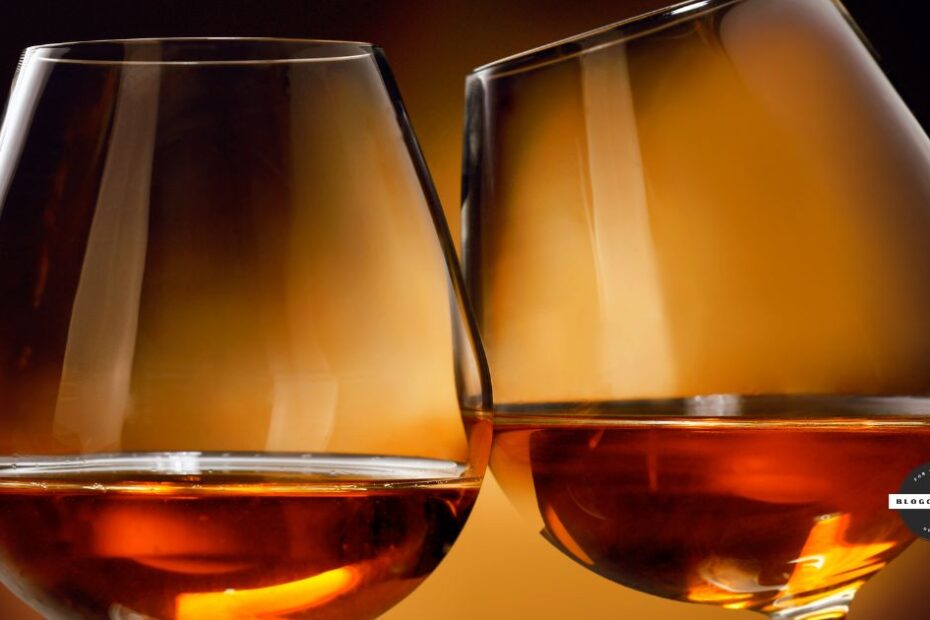
Cognac is fruity, smooth, and layered with flavors of vanilla, oak, caramel, and spice. Younger Cognacs tend to be bright and fresh, while older expressions develop richer notes of dried fruit, nuts, leather, and toasted wood.
The exact flavor varies by producer and age, but most Cognacs balance fruit and oak in a way that’s softer and more elegant than many other spirits. While some people expect Cognac to be harsh or overpowering, a well-made bottle is often remarkably smooth and complex.
Cognac flavor notes
Because Cognac is made from grapes and aged in oak barrels, it develops a wide range of flavors. Not every bottle will contain all of these notes, but they are among the most common.
Fruity notes
Fresh and dried fruit flavors are often the first thing people notice in Cognac.
- Peach
- Apricot
- Pear
- Apple
- Raisin
- Fig
- Orange peel
Sweet notes
Although Cognac is generally a dry spirit, aging creates flavors that can taste naturally sweet. While you may taste notes of vanilla, honey, caramel, or toffee, a quality Cognac is balanced rather than syrupy sweet.
Spice notes
Oak aging contributes warm spice flavors that add complexity.
- Cinnamon
- Nutmeg
- Clove
- Black pepper
Oak-derived notes
Older Cognacs often develop deeper flavors from extended barrel aging.
- Toasted oak
- Leather
- Tobacco
- Nuts
Read next: Top Cognac substitutes
How age affects the flavor
One of the biggest influences on Cognac’s taste is how long it spends aging in oak barrels.
VS Cognac
VS stands for “Very Special.” The youngest spirit in the blend must be aged for at least two years. These can be described as:
- Bright and fruity
- Lightly oaked
- More energetic and vibrant
- Well suited for cocktails
You’ll often notice flavors of fresh grapes, apples, pears, citrus, and vanilla.
VSOP Cognac
VSOP stands for “Very Superior Old Pale.” The youngest spirit in the blend must be aged at least four years. Expect these qualities from VSOP Cognacs:
- More oak influence
- Dried fruit notes
- Baking spices
- A smoother texture
Many Cognac drinkers consider VSOP the ideal balance between affordability and complexity.
XO Cognac
XO stands for “Extra Old.” The youngest spirit in the blend must be aged at least 10 years. These often feature:
- Rich caramel flavors
- Fig and raisin notes
- Toasted oak
- Leather
- Tobacco
- Nutty undertones
These are generally the richest and most complex Cognacs available.
Cognac vs. whiskey
Both Cognac and whiskey are aged in oak barrels, but they taste quite different. Cognac is made from grapes, while whiskey is made from grains such as barley, corn, rye, or wheat. The grape origin makes Cognac fruitier, sweeter, more floral, and often more approachable than whiskey.
Whiskeys deliver stronger notes of grain, malt, smoke, or spice depending on the style.
How to drink Cognac for the first time
I usually recommend trying Cognac neat first so you can experience its full flavor profile. Pour a small amount into a glass and take your time. Swirl it gently, smell it before sipping, and let it linger on your palate for a few seconds before swallowing.
If neat Cognac feels too strong, you can also:
- Serve it over a large ice cube
- Add a splash of water
- Mix it with ginger ale
- Use it in a Sidecar
- Pair it with tonic water
Younger VS and VSOP Cognacs work particularly well in cocktails.
Cognac 101
Cognac is a type of brandy produced in the Cognac region of southwestern France. Like Champagne, Cognac is protected by strict production regulations. To be labeled Cognac, the spirit must be produced within a designated region, distilled according to specific methods, and aged in French oak barrels.
The process begins with white wine, usually made from Ugni Blanc grapes. The wine is distilled twice in copper pot stills and then aged for years in oak casks, where it develops its color, aroma, and flavor.
BlogChef takeaway
Cognac tastes like a sophisticated blend of fruit, vanilla, oak, and spice. Younger expressions are bright and fresh, while older Cognacs become richer and more complex with notes of caramel, dried fruit, nuts, and leather.
The best way to understand Cognac is to try it yourself. Start with a quality VS or VSOP, sip it slowly, and pay attention to how the flavors evolve from the first sip to the finish. You may discover that Cognac is far more versatile and approachable than its reputation suggests.