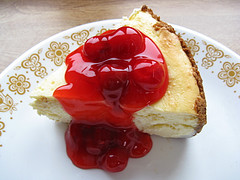
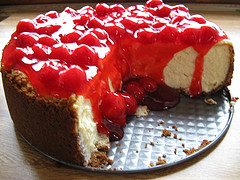
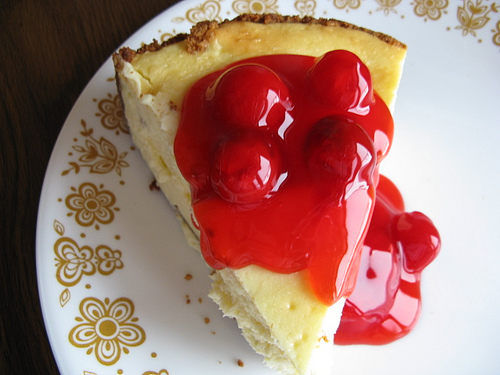
I’ve always believed that cheesecake should be rich, creamy, and unforgettable. And this New York cheesecake hits the mark every time. With its buttery graham-cracker crust and velvety cream-cheese filling, it’s the kind of dessert I want when I’m craving comfort and indulgence.
From mixing those simple ingredients (graham crackers, cream cheese, eggs, a little flour, sugar, sour cream and vanilla) to the slow, careful bake that ensures a smooth, crack-free top, this cheesecake feels like a little bit of magic in the kitchen.
Whether I’m baking for a night in or serving to impress friends, this cheesecake is one of my go-to desserts. Once it’s chilled and you take that first bite, you’ll know why. This recipe showcases the classic cheesecake flavor — creamy, dense, slightly tangy with a buttery crust.
Below the recipe card, you’ll find tips to help you make a cheesecake that looks as good as it tastes, every time.
Print New York cheesecake recipe
- Prep Time: 25 minutes
- Cooling time: 5+ hours
- Cook Time: 1 hour
- Total Time: 6 hours, 25 minutes
- Yield: 14 1x
- Category: Dessert
- Method: Oven-baked
Description
This is a classic New York cheesecake, with a firm structure and tangy, creamy bite.
Ingredients
- 15 graham crackers, crushed
- 2 tablespoons butter, melted
- 4 (8 ounce) packages cream cheese
- 1 1/2 cups white sugar
- 3/4 cup milk
- 4 eggs
- 1 cup sour cream
- 1 tablespoon vanilla extract
- 1/4 cup all-purpose flour
Instructions
- Preheat the oven. Preheat oven to 350°F (175°C). Grease a 9-inch springform pan.
- Make the crust. In a medium bowl, mix the graham cracker crumbs with the melted butter. Press the mixture onto the bottom of the springform pan.
- Prepare the filling. In a large bowl, mix the cream cheese with the sugar until smooth. Blend in the milk, and then mix in the eggs one at a time, mixing just enough to incorporate. Mix in the sour cream, vanilla, and flour until smooth. Pour the filling into the prepared crust.
- Bake the cheesecake. Bake in the preheated oven for 1 hour. Turn the oven off and let the cake cool in the oven with the door closed for 5 to 6 hours. This prevents cracking.
- Chill before serving. Chill in the refrigerator until ready to serve.
Nutrition
- Serving Size:
- Calories: 393
- Sugar: 31.8 g
- Sodium: 350 mg
- Fat: 15.9 g
- Carbohydrates: 55.7 g
- Protein: 7.3 g
- Cholesterol: 88 mg
Cheesecake guide: How to avoid cracked tops
You can use these tips on this cheesecake recipe, or any other one. They’re mainly focused on minimizing the potential for a cracked top.
1. Use room temperature cream cheese
Room temperature cream cheese blends better, which results in a more evenly textured cake. If your filling is lumpy or not combining into a smooth, mousse-like consistency, the cheese was probably too cold.
When you’re short for time you can take the cheese out of the foil wrapping and cut it into smaller pieces. Microwave them for about 10 to 15 seconds at a time until they’re soft but not runny.
2. Don’t try to make it healthy
Full-fat cream cheese provides a creamier texture than low-fat options. Plus, swapping in low-fat cheese isn’t going to make cheesecake healthy, especially if you’re working with a more indulgent recipe.
If you have guests who need something healthier, bring them sorbet to enjoy while everyone else dives into your delicious, full-fat cheesecake.
3. Add cornstarch or flour
You can add 1 to 4 tablespoons of flour or cornstarch to a cheesecake recipe to give it a firmer, more resilient texture. Read that to mean cheesecakes with flour in the filling are less prone to cracking. Recipes that don’t use flour or cornstarch have a more custard-like texture — which is delicious and rich, but unforgiving.
Most New York cheesecake recipes have 3 or 4 tablespoons of flour, while fudgy, dense cheesecakes like this one have no flour.
4. Try pumpkin cheesecake
Pumpkin puree provides amazing texture and creaminess to baked goods, including cheesecake. Plus, a good pumpkin cheesecake combines the luxurious mouth-feel of cream cheese with fall’s best and warmest spices.
5. Avoid over-mixing
Using high speed mixing or over-mixing your batter adds air to it. The air expands during baking and then cools and contracts. That rise-and-fall cycle leads to cracks and craters.
I use a stand mixer for cheesecake, because it’s easier and less messy than handmixing. You can do the same, just keep the mixer on a low speed and shut it off as soon as your filling is well combined.
6. Use a water bath
A water bath is simply a pan of water in the oven. It creates steam, which helps your cake cook more evenly. Without a water bath, cheesecake sides can cook faster than the middle. When then happens, the sides can be overcooked — dry enough to crack — before the middle is done.
I use a large baking sheet for water baths. Put it in the heated oven on a lower rack, then use a measuring cup of water to fill it. This is easier than filling it at the sink and trying to carry it to the oven.
Then, place the cheesecake on a higher rack to cook. This is more reliable than placing the cheesecake in the baking sheet with water. That method tends to leak water into the cheesecake, which is not what you want. If you only have one oven rack, then wrap your springform pan with two layers of heavy-duty aluminum foil and set it directly in the water.
7. Buy a reliable springform pan
You need a good, nonstick springform pan to make a successful cheesecake. Don’t skimp here. Your cheesecake won’t survive a pan that doesn’t have removable sides.
8. Do not interrupt
Do not check on your cheesecake’s progress. Opening the oven door releases all the steamy, hot air. The sudden temperature change can cause your cake to bake unevenly or fall in the middle.
Additionally, over baking a cheesecake can cause it to crack in places, just like a custard pie. To identify the signs that your cake has baked to perfection, check to see if the edges and the inner few inches are well set. The center should still be a little jiggly.
9. Let your masterpiece cool slowly
After you’ve established that your cheesecake is done, open the oven door slightly and leave the cake in the oven. It can cool there for at least an hour. Then set it on the counter on a rack and let it cool more.
Before you put the cake in the refrigerator, slide a plastic knife in between the cake and the pan, all the way around. Be gentle here, since the cake will still be delicate at this point.
10. Camouflage the cracks
You could follow all these tips and still end up with a cracked cheesecake. Know that the cracks only look odd — your cake will probably still taste amazing.
If you’re worried about presentation value, use toppings to camouflage the cracks. A chocolate ganache and sliced strawberries work beautifully on chocolate or peanut butter cheesecakes. Canned cherry or blueberry toppings are ideal for New York, lemon cheesecakes, or strawberry swirl cheesecakes.
For inspiring, fruit-topped cheesecake ideas see:
- Cherry cheesecake recipe. Uses black cherry preserves as a topping.
- Blueberry cheesecake recipe. A hearty nut-based crust with blueberry pie filling over the top.
- Berry cheesecake recipe. Want to skip the canned filling? This recipe uses warmed jelly mixed with fresh fruit.
- Fruit cheesecake recipe. Fresh fruit and whipped topping finish off this lemon-flavored cheesecake.
Cheesecake FAQ
How can I make a tangier cheesecake?
Adding sour cream or Greek yogurt to your cheesecake filling provides a delicious tang while contributing to a creamy texture.
How do I store a cheesecake?
Wrap your cheesecake in plastic wrap and store it in the refrigerator for up to three days. You can also freeze a plastic-wrapped cheesecake and thaw it in the fridge when you’re ready to enjoy it.