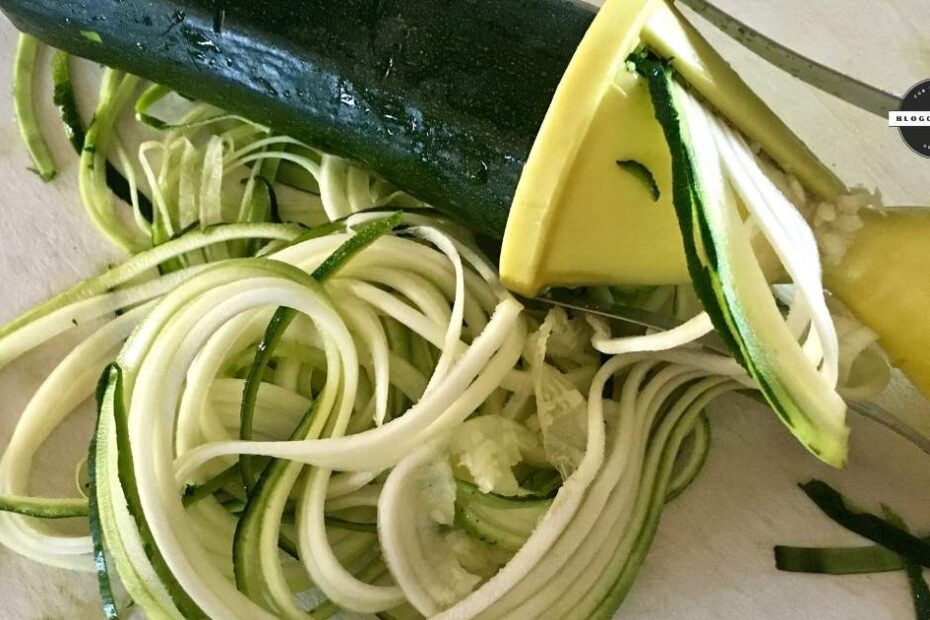
Fresh zucchini noodles, or zoodles, are quick to make and even quicker to cook. Spiralize a zucchini, give the noodles a few minutes in a hot skillet, and you have an easy base for all kinds of meals.
Here’s how to make fresh zucchini noodles and cook them without turning them into mush.
Cutting your noodles
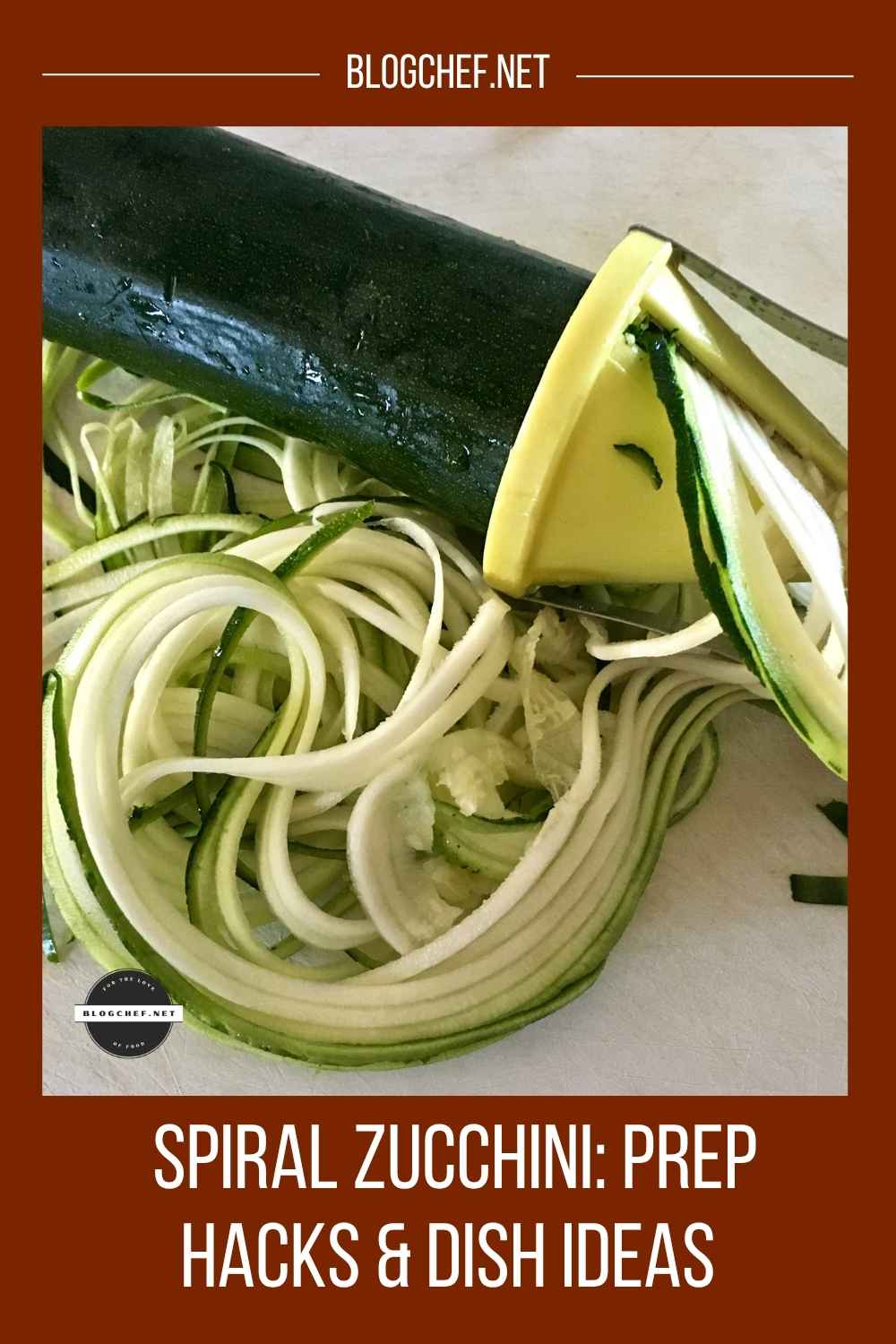
A spiralizer is the easiest tool for making long, spaghetti-like zucchini noodles. Wash and dry the zucchini, trim off the ends, center it securely in the spiralizer, and cut according to your spiralizer’s instructions.
There’s no need to peel the zucchini first. The skin adds color and helps the noodles hold their shape.
No spiralizer? You still have options. A julienne peeler produces thin, straight strands, while a mandoline with a julienne blade can quickly turn zucchini into uniform strips. A standard vegetable peeler can also make wide, flat zucchini ribbons.
To cook or not
Fresh zucchini noodles don’t have to be cooked. Raw zoodles have a firmer, crunchier texture than cooked ones, making them especially good for cold salads. You can toss them with vinaigrette, pesto, chopped vegetables, herbs, cheese, nuts, or another favorite dressing. You can also toss raw zoodles directly with a warm sauce. The heat from the sauce will soften them slightly without fully cooking them.
If you plan to cook your zoodles, opt for sauteing or baking them if possible. As noted below, you can use other cooking methods, but the results may suffer.
Tips for better zucchini noodles
Choose firm zucchini. Look for zucchini that feel firm and have smooth skin without soft spots. Small to medium zucchini are particularly good for zoodles because they tend to have firmer flesh and smaller seed-filled centers than oversized zucchini.
Keep the skin on. There’s generally no reason to peel zucchini before spiralizing. The green skin gives your zoodles better color and provides some structure around the softer flesh.
Center the zucchini in your spiralizer. Keeping it centered helps produce more consistent noodles instead of lots of short, uneven pieces.
Add salt at the end. Salt draws moisture from zucchini. If you’re cooking zoodles directly in a skillet, season them toward the end rather than salting them well in advance.
Leave space in your skillet. If you’re cooking several zucchini at once, use a wide skillet or work in batches. Crowding traps steam and makes it harder for moisture to evaporate.
Keep the cooking time short. Zoodles don’t need to be cooked like wheat pasta. A few minutes is generally plenty. You’re looking for noodles that are warm and slightly tender but still have some bite.
Use thicker sauces. Zucchini will continue releasing some water after cooking. Thick marinara, pesto, Alfredo, and other concentrated sauces hold up better than thin, watery sauces.
Add sauce at the end. Cook your sauce separately when possible, then toss it with the zoodles immediately before serving. This gives you much more control over the texture.
Serve them right away. Fresh zucchini noodles become softer and release more liquid as they sit, particularly once they’re mixed with a hot sauce.
How to sauté zucchini noodles
Sautéing is probably the easiest all-purpose method for cooking fresh zucchini noodles.
- Heat a large skillet over medium-high heat and add a small drizzle of olive oil. Once the pan is hot, add the zucchini noodles.
- Cook for about 2 to 4 minutes, tossing gently with tongs. Season toward the end of cooking and remove the noodles from the pan while they’re still slightly firm.
If liquid collects in the skillet, drain it before adding your sauce.
How to cook zucchini noodles in soup
Zoodles are an easy addition to chicken soup, vegetable soup, ramen, or other brothy dishes.
Prepare the soup first and add the zucchini noodles during the final 1 to 2 minutes of cooking. They only need enough time to warm and soften slightly.
If you’re planning on leftovers, consider keeping the zoodles separate and adding them to individual servings. They’ll get soggy if they stay in the hot broth for too long.
How to blanch zucchini noodles
You can briefly blanch fresh zoodles if you don’t want to sauté them.
Bring a pot of water to a boil and add the zucchini noodles. Cook for about 1 minute, then immediately drain them well.
The downside is that you’re adding zucchini to water when excess moisture is already the main challenge with zoodles. For that reason, I generally prefer sautéing when the noodles will be served with pasta sauce.
How to bake zucchini noodles
Baking can be useful when you’re preparing a larger quantity of zoodles.
- Spread the zucchini noodles over a large baking sheet rather than piling them together. Bake at 350°F for about 10 to 15 minutes, checking them early and tossing once if necessary.
- Remove them once they’re tender but before they become very soft. Drain or blot away any moisture that collects on the pan.
For one or two servings, sautéing is faster and gives you better control over the texture.
How to air fry zucchini noodles
You can also cook fresh zucchini noodles in an air fryer, although it’s not my first choice. Thin strands can cook unevenly and are more prone to drying or browning than zoodles cooked briefly in a skillet.
If you want to try it, lightly coat the noodles with oil and place them loosely in the basket. Air fry at 375°F for about 3 to 5 minutes, tossing frequently and checking them early. Air fryers vary considerably, so treat that timing as a starting point.
How long do zucchini noodles take to cook?
Fresh zucchini noodles cook very quickly. The exact timing depends on your cooking method, the thickness of your noodles, and how firm you like them.
- Sauté: 2 to 4 minutes
- Blanch: About 1 minute
- Soup: 1 to 2 minutes
- Bake at 350°F: 10 to 15 minutes
- Air fry at 375°F: 3 to 5 minutes
These are starting points rather than hard rules. Thicker spiralized noodles take longer than thin julienned strands, and larger batches may also need additional time.
Easy ways to use fresh zucchini noodles
Fresh zoodles have a firmer texture than frozen ones, so they’re particularly good in recipes where you want the zucchini to retain some bite. You can also use them raw, which opens up quite a few possibilities beyond simply replacing spaghetti with zucchini.
Greek zucchini noodle salad
Raw zoodles make a great base for a Mediterranean-style salad. Toss them with cherry tomatoes, cucumber, red onion, Kalamata olives, feta, and a lemony vinaigrette.
Add the dressing shortly before serving to help the zucchini retain its crisp texture.
Zucchini noodle primavera
Sauté bell peppers, asparagus, cherry tomatoes, and other quick-cooking vegetables in olive oil and garlic. Add the fresh zoodles during the last 2 to 3 minutes and toss just until they’re slightly tender.
Finish with Parmesan, fresh basil, and a squeeze of lemon.
Zoodle pad Thai
Fresh zucchini noodles work well with the sweet, salty, and tangy flavors of pad Thai. Cook your protein, egg, and other ingredients first, then add the zoodles toward the end so they don’t become too soft.
Toss with your favorite pad Thai sauce and finish with chopped peanuts, green onions, cilantro, and lime.
Zucchini noodle caprese
This is an especially good use for raw zoodles. Toss them with cherry tomatoes, fresh mozzarella, basil, olive oil, and a little balsamic vinegar or balsamic glaze.
Serve the salad cold or at room temperature for an easy summer lunch or side dish.
Zoodle carbonara
Cook chopped bacon until crisp, then remove some of the excess fat from the skillet. Add the fresh zoodles and cook them very briefly.
Remove the skillet from the heat before adding an egg and Parmesan mixture. Toss everything together so the residual heat gently cooks the egg and creates a creamy sauce rather than scrambled eggs.
Zucchini noodle nests
Twirl fresh zucchini noodles into small nests and arrange them on a parchment-lined baking sheet or in muffin cups. Sprinkle with Parmesan and your favorite seasonings, then bake until the zucchini is tender and the edges begin to brown.
You can also make larger nests with an opening in the center and add an egg for an easy breakfast or brunch.
Zoodle ramen bowls
Prepare your broth and toppings separately, then place raw zucchini noodles in individual serving bowls. Ladle the hot broth over the zoodles.
The broth gently warms and softens the fresh zucchini while allowing it to retain more bite than zoodles simmered directly in the soup.
Zucchini noodles with peanut sauce
Raw or very lightly cooked zoodles pair especially well with a creamy peanut sauce. Toss them with the sauce along with shredded carrots, thinly sliced bell pepper, green onions, and chopped peanuts.
Add cooked chicken, shrimp, or tofu to turn it into a main dish.
Zoodle egg nests
Sauté fresh zucchini noodles for a minute or two, then arrange them into nests in the skillet. Make an opening in the center of each nest and crack in an egg.
Cover the skillet and cook until the egg whites are set and the yolks reach your preferred doneness. Finish with Parmesan, red pepper flakes, or fresh herbs.
Zucchini noodle lasagna bowls
Briefly sauté the zoodles and divide them among bowls. Top with hot meat sauce or marinara, ricotta, mozzarella, and Parmesan.
You get many of the familiar flavors of lasagna without trying to use delicate zucchini noodles as actual lasagna sheets.
Fresh vs. frozen zucchini noodles
Fresh and frozen zoodles benefit from different cooking strategies. With fresh zucchini noodles, your biggest advantage is texture. They start firm, so you can serve them raw or cook them very briefly and still retain some bite. Fresh zoodles are particularly useful for salads and dishes where the zucchini’s texture is an important part of the finished meal.
Frozen zucchini noodles have already undergone structural changes during freezing and tend to release more water as they cook. They’re convenient, but not as firm as freshly spiralized zucchini.
BlogChef takeaway
The secret to good fresh zucchini noodles is mostly knowing when to stop cooking. Start with firm zucchini, don’t salt the noodles too early, and give them only enough heat to become slightly tender. Sautéing for a few minutes is the easiest option, but don’t overlook raw zoodles. They’re especially good for salads, cold noodle dishes, and other recipes where you want that fresh zucchini crunch.