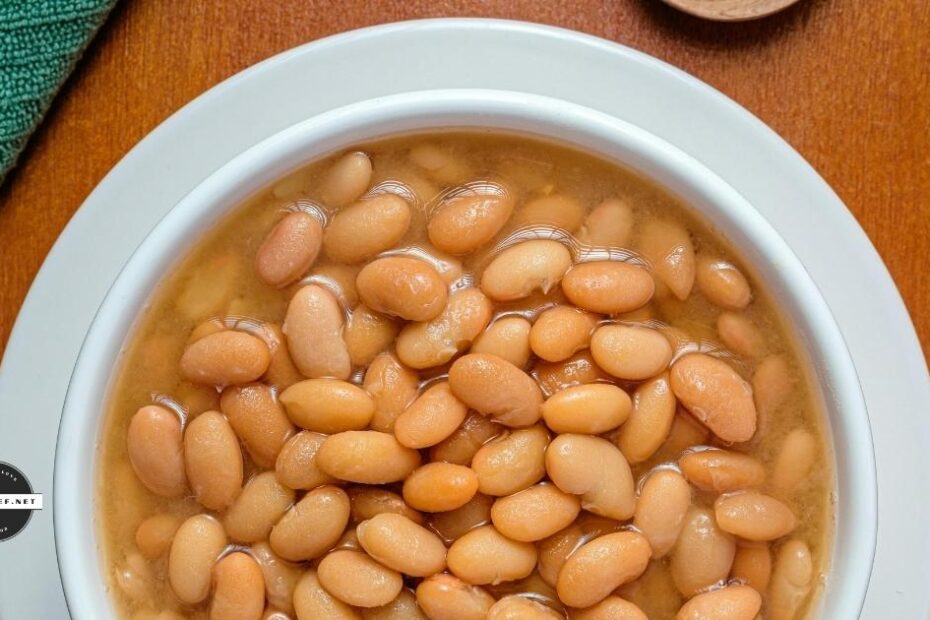
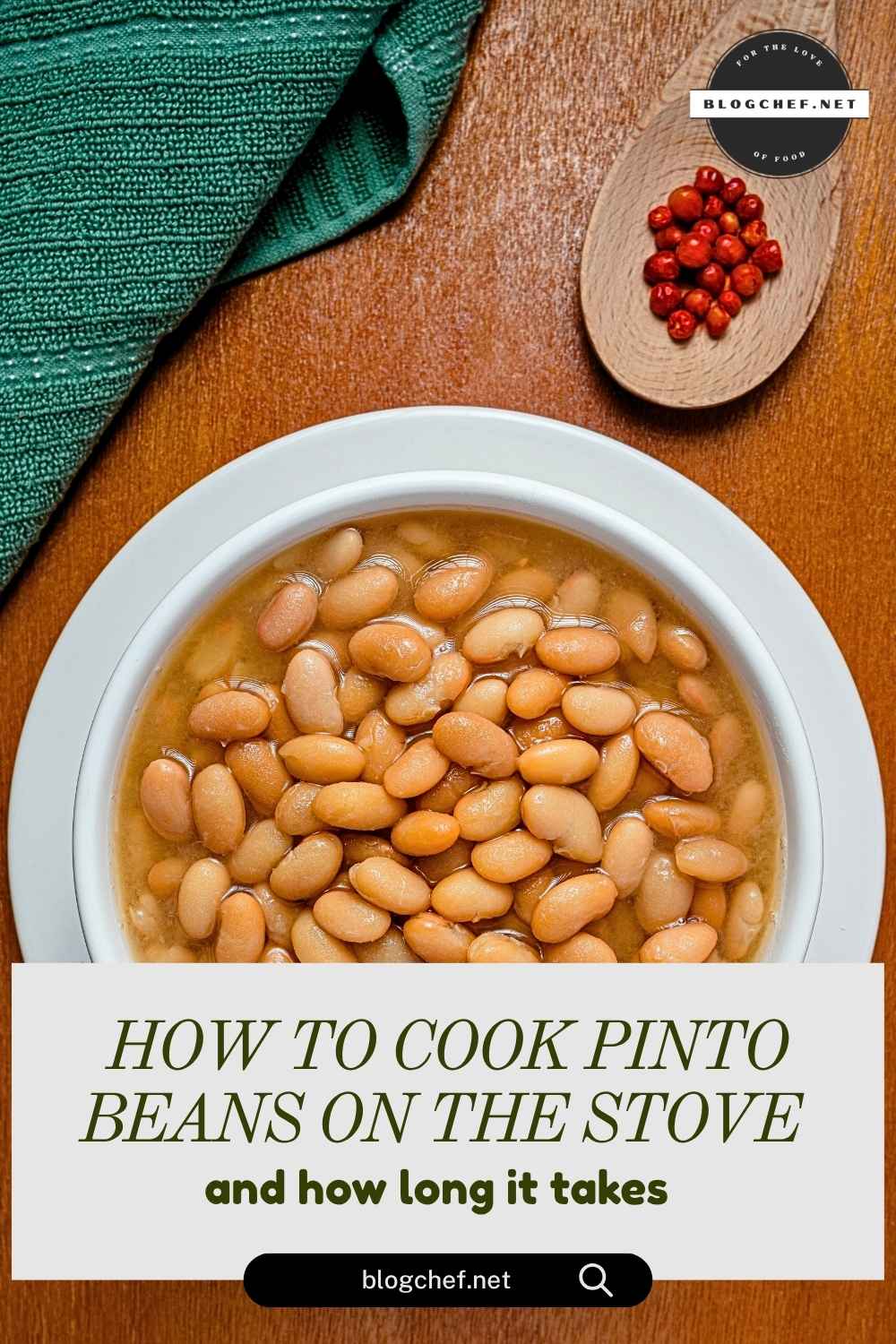
Dried pinto beans take about 1 to 2 hours to cook on the stove after soaking, or 2 to 3 hours without soaking. The exact time depends on the age of the beans, how long they’ve been soaked, and how tender you want them. For the best results, simmer the beans gently until they’re creamy inside and easy to mash with a fork.
Cooking pinto beans from scratch is simple, and you don’t need much beyond water, salt, and a few seasonings. I like the stovetop method because you can check the beans as they cook and adjust the texture for whatever you’re making, whether that’s refried beans, burritos, chili, or a bowl of seasoned beans served over rice.
- Dried pinto beans take about 1 to 2 hours to cook on the stove after soaking, or 2 to 3 hours without soaking.
- Soaking is optional, but it can shorten cooking time. Simmer beans gently in salted water until they’re tender and creamy throughout.
- An Instant Pot cooks pinto beans much faster, while a slow cooker offers a hands-off alternative with an important pre-boiling step for food safety.
How long does it take to cook pinto beans?
Here’s a quick comparison of common cooking methods. These are approximate times for dried pinto beans, not canned beans, which are already cooked.
| Cooking method | Approximate cooking time |
|---|---|
| Stovetop, soaked | 1–2 hours |
| Stovetop, unsoaked | 2–3 hours |
| Pressure cooker or Instant Pot, soaked | 8–15 minutes at high pressure |
| Pressure cooker or Instant Pot, unsoaked | 30–40 minutes at high pressure |
| Slow cooker, soaked | 6–8 hours on low, after a full boil |
Pressure cooker times don’t include the time needed to build and release pressure, which can add 20 to 40 minutes or more. Slow cooker times vary considerably by appliance, and dried beans should be boiled before slow cooking to address naturally occurring lectins.
For most home cooks, the stovetop is the easiest method to control. You can taste the beans as they soften, add water when needed, and stop cooking as soon as they reach the texture you want.
How to cook pinto beans on the stove
This basic method makes tender, flavorful pinto beans without requiring a complicated recipe. You can keep the seasonings simple or add onion, garlic, and bay leaves for more flavor.
Prep time: 10 minutes, plus optional overnight soaking
Cook time: 1–2 hours for soaked beans; 2–3 hours for unsoaked beans
Total time: Approximately 1 hour 10 minutes to 2 hours 10 minutes with presoaked beans, excluding soaking time
Yield: About 5–6 cups cooked beans
Servings: 6–8
Ingredients
- 1 pound dried pinto beans (about 2 cups)
- 6–8 cups water, plus more as needed
- 1 small onion, halved or chopped
- 3 garlic cloves, smashed
- 1 bay leaf
- 1–1½ teaspoons kosher salt, or to taste
- 1 tablespoon olive oil, optional
- ½ teaspoon ground cumin, optional
- ½ teaspoon chili powder, optional
Instructions
- Sort and rinse the beans. Spread the dried pinto beans on a tray or clean counter and remove any small stones, debris, or damaged beans. Rinse thoroughly under cool running water.
- Soak the beans, if desired. Place the beans in a large bowl and cover with several inches of water. Refrigerate for 8 to 12 hours, then drain and rinse. You can skip this step, but unsoaked beans generally take longer to cook.
- Add the beans and seasonings to a pot. Transfer the beans to a large pot or Dutch oven. Add 6 to 8 cups of fresh water, enough to cover the beans by about 2 inches, along with the onion, garlic, bay leaf, salt, and optional oil.
- Bring to a boil. Bring the beans and water to a full boil, then reduce the heat to maintain a gentle simmer. Leave the lid slightly ajar so steam can escape without allowing too much liquid to evaporate.
- Simmer until tender. Cook soaked beans for approximately 1 to 2 hours or unsoaked beans for 2 to 3 hours, stirring occasionally. Check the water level throughout cooking and add more hot water as needed to keep the beans submerged.
- Check for doneness. Taste several beans from different parts of the pot. They’re ready when the centers are completely tender and creamy, with no hard or chalky spots. If you’re making refried beans, cook them a little longer so they mash easily.
- Season and serve. Remove the bay leaf and onion halves, if using. Stir in the optional cumin and chili powder, taste the cooking liquid, and adjust the salt. Serve the beans with some of their broth, or drain them for recipes that call for cooked pinto beans.
Do you need to soak pinto beans before cooking?
No, you don’t have to soak pinto beans before cooking them on the stove. Unsoaked beans will soften with enough time and water, and some cooks prefer skipping the soaking step because it’s one less thing to plan ahead.
Soaking does have advantages, though. It usually shortens the cooking time, helps the beans hydrate more evenly, and may make them easier for some people to digest. If you know you’re making beans the next day, an overnight soak is a convenient option.
How to soak pinto beans overnight
Place the rinsed beans in a large bowl and cover them with at least 3 inches of cool water. Refrigerate for 8 to 12 hours, allowing plenty of room for the beans to expand as they absorb moisture.
Drain the soaking water and rinse the beans before cooking. You can then follow the stovetop instructions using fresh water.
How to quick-soak pinto beans
If you forgot to soak the beans overnight, a quick soak can save time. Add the rinsed beans to a large pot, cover them with water, and bring the water to a boil.
Boil for 2 minutes, remove the pot from the heat, cover it, and let the beans stand for 1 hour. Drain, rinse, and cook in fresh water until tender. Quick-soaked beans generally cook faster than completely unsoaked beans, although the exact time varies.
How to tell when pinto beans are done
The best way to check pinto beans is to taste them. A properly cooked pinto bean should have a soft, creamy center and a tender skin that doesn’t feel tough or chewy.
Test several beans rather than just one because they don’t always cook at exactly the same rate. If some are tender but others still have firm centers, keep simmering and check again in 10 to 15 minutes.
For salads or dishes where you want the beans to hold their shape, stop cooking once they’re tender but intact. For refried beans, cook them until they’re very soft and easy to mash with the back of a spoon.
Tips for cooking tender, flavorful pinto beans
Keep the beans at a gentle simmer
Once the water reaches a boil, reduce the heat so the beans cook at a steady simmer. A vigorous boil can cause the skins to split and the beans to break apart before they’re evenly cooked.
A gentle simmer also makes it easier to control evaporation. Check the pot periodically and add water whenever the beans are no longer fully submerged.
Salt the cooking water
You don’t have to wait until the beans are tender to add salt. Salting the cooking water from the beginning helps season the beans throughout and doesn’t prevent them from softening.
Start with about 1 teaspoon of kosher salt per pound of dried beans, then taste and adjust near the end of cooking. Remember that different brands of kosher salt have different crystal sizes, so the amount needed can vary.
Add acidic ingredients after the beans soften
Tomatoes, vinegar, and lemon juice can slow the softening of beans because their acidity affects the structure of the bean skins. If you’re making chili or another tomato-based dish, it’s usually best to cook dried pinto beans until tender before combining them with the acidic ingredients.
Onion, garlic, bay leaves, and dried spices can go into the pot at the beginning. These ingredients add flavor to the cooking liquid without creating the same problem.
Keep water in the pot
Pinto beans absorb water as they cook, and additional liquid evaporates during simmering. If the water level gets too low, the beans may cook unevenly or stick to the bottom of the pot. Keep them covered with liquid, adding hot water as needed. For soupier beans, leave extra broth in the pot; for a thicker result, you can reduce some of the liquid after the beans are fully tender.
Use fresh dried beans when possible
Dried beans last a long time in storage, but older beans can take significantly longer to soften. Beans that have been stored for years, particularly in warm or humid conditions, may remain stubbornly firm even after several hours of cooking.
If your beans aren’t softening despite adequate water and cooking time, their age or the hardness of your water may be contributing to the problem. Using relatively fresh dried beans gives you more predictable results.
How to cook pinto beans in an Instant Pot
An Instant Pot is the fastest way to cook dried pinto beans, especially when you haven’t soaked them ahead of time. You can cook unsoaked beans at high pressure in approximately 25 to 35 minutes, followed by a natural pressure release. Soaked beans generally need about 8 to 15 minutes at high pressure, although exact times vary by appliance and the age of the beans.
For 1 pound of dried pinto beans, add the sorted and rinsed beans to the Instant Pot with approximately 6 cups of water and your preferred seasonings. Make sure the liquid covers the beans and follow your appliance’s maximum fill guidelines for foods that expand during cooking.
Secure the lid, select high pressure, and set the appropriate cooking time. Allow approximately 20 minutes for natural pressure release before opening the lid. Taste a few beans, and if they’re still firm, cook them for another 5 minutes at high pressure.
How to cook pinto beans in a slow cooker
A slow cooker is convenient when you want to prepare pinto beans with minimal attention, but it takes considerably longer than the stovetop or Instant Pot. Plan on approximately 6 to 8 hours on low for soaked beans, with additional time possible depending on the appliance and the age of the beans.
For food safety, don’t put raw dried beans directly into a slow cooker without a stovetop boiling step. Slow cookers may not reach temperatures high enough to reliably deactivate naturally occurring bean lectins. Boil the beans in fresh water for at least 10 minutes before transferring them to the slow cooker.
Add the boiled beans to the slow cooker with enough fresh water or broth to keep them covered. Cook until completely tender, checking the liquid level and following your appliance’s instructions.
How to store cooked pinto beans
Cooked pinto beans keep for 3 to 4 days in the refrigerator when stored promptly in airtight containers. Include some of the cooking liquid to keep the beans from drying out, especially if you plan to reheat them for another meal.
For longer storage, freeze the beans in meal-sized portions with a little of their broth. They’ll maintain their best quality for about 3 to 6 months, making them convenient for future soups, burritos, chili, and side dishes.
Frequently asked questions
How long does it take to cook pinto beans without soaking?
Unsoaked pinto beans generally take about 2 to 3 hours on the stovetop, although older beans can take longer. Keep them at a gentle simmer, add water as needed, and begin checking for tenderness after about 90 minutes.
How long do soaked pinto beans take to cook?
Soaked pinto beans typically take 1 to 2 hours to cook on the stove, with 90 to 120 minutes being a common range. Soaking reduces cooking time, but the beans still need to simmer until their centers are completely tender.
Should you cover pinto beans while cooking?
Yes, but leave the lid slightly ajar to allow some steam to escape. A partially covered pot helps retain moisture while allowing you to maintain a gentle simmer and monitor the beans.
Why are my pinto beans still hard after 2 hours?
Old beans, hard water, and acidic ingredients can all make pinto beans take longer to soften. If the beans are still firm, continue simmering them in enough water and check every 15 to 20 minutes. Avoid adding tomatoes, vinegar, or lemon juice until they’re tender.
Can you cook pinto beans straight from the bag?
Yes. Dried pinto beans don’t require soaking before stovetop cooking, but you should always sort and rinse them first. Check for small stones, debris, and damaged beans, then simmer the beans in fresh water until completely tender.
How much does 1 cup of dried pinto beans make?
One cup of dried pinto beans generally yields about 2½ to 3 cups of cooked beans, depending on how much water they absorb. A 1-pound bag, which contains approximately 2 cups of dried beans, typically makes 5 to 6 cups cooked.
Can you use canned pinto beans instead of dried?
Yes. Canned pinto beans are already cooked, so they only need to be drained, rinsed if desired, and heated for your recipe. They’re a convenient choice when you don’t have time to simmer dried beans, although cooking from scratch gives you more control over the seasoning and texture.
BlogChef takeaway
Pinto beans typically take 1 to 2 hours to cook on the stove after soaking, or 2 to 3 hours without soaking. The stovetop method is easy to manage and gives you control over how tender the beans become, whether you’re making refried beans, chili, or a simple side dish.
If you’re short on time, an Instant Pot can cook dried pinto beans much faster. Whichever method you choose, don’t rely on the clock alone: Taste several beans and make sure they’re completely tender before serving.