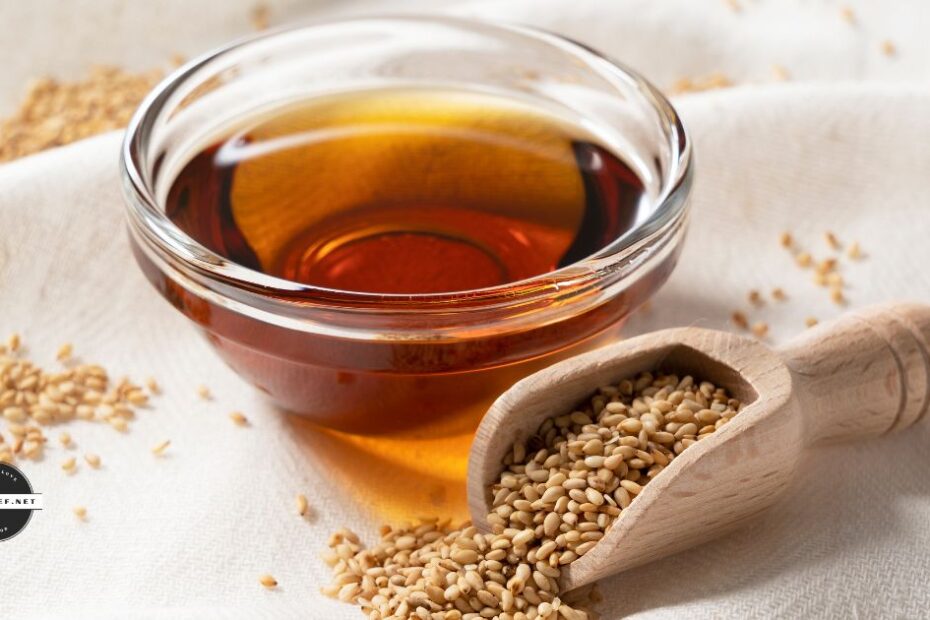
Toasted sesame oil has a rich, nutty flavor that’s difficult to replicate. Just a teaspoon or two can transform fried rice, lo mein, dumplings, or stir-fried vegetables from ordinary to restaurant-quality. Because of that distinct, transformative flavor, it’s also one of those pantry ingredients you don’t want to run out of unexpectedly.
There is good news, though. You don’t always have to skip the recipe. While no substitute perfectly matches the deep, roasted flavor of toasted sesame oil, a few ingredients come close. We share our favorites below, but note that the best option depends on whether you need sesame flavor, another nutty oil, or a mild cooking oil that won’t overpower the dish.
- Homemade sesame seed oil blends, perilla oil, Chinese sesame paste are the best substitutes for sesame oil.
- Chinese sesame paste works nicely in sauces, dressings, noodle dishes, and marinades.
- Many recipes that call for sesame oil are really asking for toasted sesame oil.
1. Toasted sesame seeds and neutral oil
If your recipe calls for a small amount of toasted sesame oil, a homemade mix of toasted sesame seeds and neutral oil is one of the closest substitutes. To make it, grind or finely crush toasted sesame seeds and combine them with a neutral oil. Good oil options include canola, grapeseed, or avocado oil. The sesame seeds provide much of the roasted flavor while the oil replaces the missing fat.
This substitute works well in:
- Stir-fries
- Noodle dishes
- Dumpling sauces
- Rice bowls
- Marinades
2. Perilla oil
Perilla oil is made from roasted perilla seeds and has a rich, nutty flavor that’s remarkably similar to toasted sesame oil. It’s widely used in Korean cuisine and works well as a finishing oil for vegetables, noodles, soups, and dipping sauces.
Although it’s less common in American grocery stores, you’ll often find it in Asian markets.
3. Chinese sesame paste
Chinese sesame paste is made from toasted sesame seeds ground into a smooth paste. Its flavor is even more concentrated than toasted sesame oil, making it an excellent substitute in sauces, dressings, noodle dishes, and marinades.
Because it’s much thicker than oil, thin it with a neutral oil or a small amount of warm water before using it in recipes that require a liquid ingredient.
Other good substitutes
If you’re not trying to duplicate sesame flavor exactly, these oils can still work in certain recipes:
- Peanut oil: Mildly nutty and excellent for stir-frying because of its high smoke point.
- Walnut oil: Rich and nutty, best used as a finishing oil rather than for high-heat cooking.
- Avocado oil: Neutral flavor and high smoke point, making it a great substitute when sesame flavor isn’t essential.
- Olive oil: Works in marinades and dressings, though its flavor is quite different from sesame oil.
Note that if you are looking for an option with a higher smoke point and rich savory depth for high-heat cooking, high-quality beef tallow makes another excellent choice for your kitchen arsenal.
Read next: What does sesame chicken taste like?
Sesame oil FAQs
Can I substitute regular sesame oil for toasted sesame oil?
Yes, but expect a different flavor. Regular sesame oil has a much milder taste because it’s made from raw sesame seeds rather than roasted ones. It works well for cooking but won’t provide the deep, nutty flavor associated with toasted sesame oil.
Does toasted sesame oil need to be refrigerated?
It doesn’t have to be refrigerated, but refrigeration can help extend its shelf life, especially after opening. Otherwise, store it in a tightly sealed bottle in a cool, dark pantry away from heat and sunlight.
Is toasted sesame oil healthy?
Sesame oil contains naturally occurring antioxidants, including sesamol and sesamin, which help protect the oil from oxidation and may help protect cells from oxidative stress. It is also rich in unsaturated fats, which can support heart health when used in place of saturated fats.
Research also suggests sesame oil may provider anti-inflammatory compounds, support healthy cholesterol levels, contribute to blood sugar management, and supply Vitamin E and beneficial plant compounds.
While sesame oil is nutritious, it’s still an oil and calorie-dense. For most, it’s best used in moderation.
What is sesame oil?
Sesame oil is pressed from sesame seeds and comes in two distinct varieties:
Regular sesame oil is made from raw, untoasted sesame seeds. It has a light color, mild flavor, and relatively high smoke point, making it suitable for sautéing, stir-frying, and general cooking.
Toasted sesame oil is made from sesame seeds that have been roasted before pressing. The roasting process creates a darker color and an intensely nutty aroma. Because heat has already developed its flavor, toasted sesame oil is usually added near the end of cooking or used in sauces, dressings, marinades, and finishing drizzles rather than as the primary cooking oil.
Many recipes simply call for “sesame oil,” but Asian recipes often mean toasted sesame oil, since that’s what provides the signature flavor.
BlogChef takeaway
Toasted sesame oil has a flavor that’s hard to replace exactly, but your recipe is not automatically ruined if the bottle is empty. Toasted sesame seeds, perilla oil, Chinese sesame paste, and a few other pantry staples can provide similar nutty depth depending on the dish. Choose the substitute that best matches your recipe, and a delicious stir-fry, noodle bowl, marinade, or dipping sauce is still within reach.