The Daniel Fast is a spiritual fast rooted in the Book of Daniel, and it’s often followed for 21 days as a time of prayer, reflection, and discipline. From a food standpoint, it’s a simple, plant-based way of eating that focuses on whole, unprocessed foods and eliminates many common distractions from the diet.
While the Daniel Fast isn’t meant to be a weight-loss plan, many people notice they feel lighter, more energized, and more intentional about what they eat. The biggest challenge usually isn’t the rules—it’s figuring out what to eat everyday. That’s where a solid meal plan helps.
What the 12-day Daniel Fast plan allows
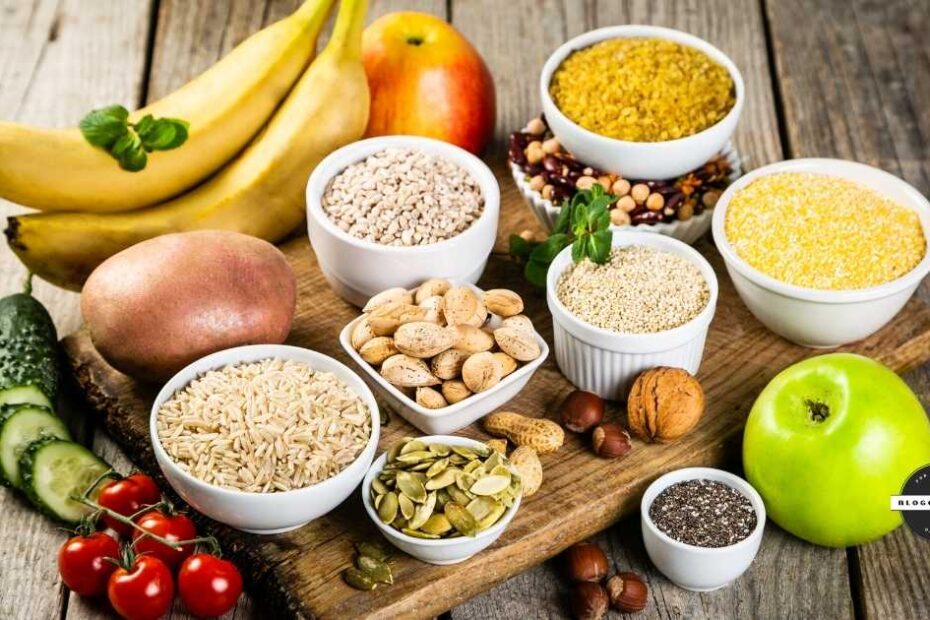
The Daniel Fast centers on foods in their most natural state:
- Vegetables of all kinds
- Fruits, fresh or frozen
- Whole grains like brown rice, oats, and quinoa
- Beans, lentils, and peas
- Nuts and seeds
- Healthy oils such as olive oil (used sparingly)
- Water and herbal teas
What to avoid
During the fast, you’ll avoid:
- Meat, poultry, and seafood
- Dairy and eggs
- Sugar and sweeteners
- Refined or processed foods
- Leavened bread
- Alcohol and caffeine
- The goal isn’t perfection — it’s simplicity and focus.
Read next: Meal plans that make cooking easier
A simple Daniel Fast meal plan
Here are seven days of recipes that adhere to the Daniel Fast plan. You can repeat them over the course of the 21 days, mixing and matching, or adjusting based on what you enjoy most.
These recipes are straightforward, but if you would complete prep instructions, calorie and macro counts, plus a grocery list, you can download our Daniel Fast meal plan and guide for $4.99.
Day 1
Breakfast: Steel-cut oats with apples, cinnamon, and walnuts
Snack: Orange and raw almonds
Lunch: Mixed green salad with chickpeas and lemon-olive oil dressing
Snack: Carrot sticks with homemade hummus
Dinner: Stir-fried vegetables over brown rice
Day 2
Breakfast: Fresh fruit bowl with sunflower seeds
Snack: Apple with natural peanut butter
Lunch: Lentil soup with carrots, celery, and garlic
Snack: Raw nuts and unsweetened dried fruit
Dinner: Baked sweet potato with black beans and spinach
Day 3
Breakfast: Overnight oats with chia seeds and blueberries
Snack: Pear and cashews
Lunch: Quinoa bowl with roasted vegetables and avocado
Snack: Cucumber slices with guacamole
Dinner: Vegetable stir-fry with mushrooms and snow peas
Day 4
Breakfast: Whole-grain toast with mashed avocado (if allowed in your version)
Snack: Banana with pumpkin seeds
Lunch: White bean and kale soup
Snack: Fresh fruit salad
Dinner: Stuffed bell peppers with lentils and rice
Day 5
Breakfast: Warm quinoa with raisins and pecans
Snack: Apple slices
Lunch: Lentil and mixed greens salad
Snack: Roasted chickpeas
Dinner: Roasted vegetables with barley or farro
Day 6
Breakfast: Smoothie with spinach, banana, and berries
Snack: Mixed nuts
Lunch: Brown rice and black beans with fresh tomato salsa
Snack: Celery sticks with almond butter
Dinner: Sautéed zucchini and mushrooms over quinoa
Day 7
Breakfast: Oatmeal with pear slices and flaxseed
Snack: Grapes
Lunch: Vegetable wrap or lettuce wraps
Snack: Bell pepper strips with hummus
Dinner: Vegetable and bean stew over brown rice
Success tips
Follow these strategies to make your Daniel Fast meal plan easier and more fun.
- Prep meals. Several of the recipes in this meal plan list cooked rice or cooked beans as ingredients. Plan on cooking grains and beans in advance so meals come together fast. An Instant Pot is very helpful for this!
- Learn to stir-fry without oil. You can use olive oil sparingly on your Daniel Fast, but it’s easy to get carried away – especially with things like stir-fried or roasted vegetables. To stir-fry without oil, start with a large, nonstick pan. Heat it first, then add vegetables and let them sear slightly. If they start to stick, add a tablespoon of broth and stir. Keep stirring as your veggies cook and add more broth as needed. See: How to stir-fry.
- Read labels. You generally should avoid premade foods with nutrition labels. But if you do decide to indulge in a juice or something “all-natural,” read the label. Sugar and additives sneak into unexpected places.
- Snack simply. Fruit, nuts, and vegetables go a long way.
- Repeat meals. You don’t need 21 different dinners to succeed. Our Daniel Fast meal includes a full week of recipes, which you can repeat.
- Stay hydrated. Drink plenty of water.
- Check in with your physician. Generally, you should get clearance from your doctor before making any big change to your diet. Also talk to your physician if you have symptoms after starting your Daniel Fast, like lightheadedness.
Read next: What to eat while on GLP-1 medications
Daniel Fast vs. paleo diet
The Daniel Fast plan overlaps with the paleo diet in some respects, but also has key differences. The similarities between Daniel Fast and paleo include:
- Emphasis on whole foods, with vegetables being core to the program.
- Refined sugars and artificial additives are not allowed.
Read next: Carb cycling meal plan
The differences between the Daniel Fast and paleo diets include:
- Protein. Daniel Fast uses plant-based proteins only, while paleo diets include red meat, fish, and eggs.
- Whole grains and legumes. Daniel Fast allows whole grains and legums. Paleo diets do not.
- Sweeteners. Daniel Fast is more restrictive on the use of sweeteners, including natural ones like honey and maple syrup. Paleo allows these in moderation.
- Fats. Daniel Fast limits the use of fats such as olive oil. Paleo diets allow for olive oil, avocado oil, coconut oil, and others.
- Timeline. Daniel Fast is used more as a spiritual reset, while the paleo diet is often adopted as a long-term lifestyle.
Read next: Heart-healthy meal plan
Intentional eating with the Daniel Fast plan
The Daniel Fast is about more than food — it’s about intention. Eating simply helps clear space for reflection and prayer, and having a plan in place makes the process far less stressful. Whether you’re doing the fast for spiritual reasons, personal discipline, or a reset in your eating habits, this 21-day approach gives you structure without feeling restrictive.