Restaurant cravings hit hard. You start thinking about Taco Bell’s cheesy quesadillas, Olive Garden’s creamy pasta, or a Steak ‘n Shake burger with crispy edges — and then you can’t think about anything else. Depending on where you live, you could head to the drive-thru, but acting on the impulse every time feels a little indulgent.
Alternatively, you can pick up a few cooking hacks and essential pantry staples to satisfy your cravings at home. You’ll probably save money and eat healthier in the process. Plus, you won’t have to wait in line or risk getting someone else’s chicken sandwich when you really wanted a burger.
This guide lays out the best fast-food tricks to mimic at home, organized by craving. You can try these with your go-to dishes and see how they work within our full copycat recipes.
- Learn restaurant cooking secrets that help you recreate your favorite fast-food and casual dining meals at home.
- Browse recipes by craving, from burgers and tacos to pasta, Chinese takeout, breakfast, and more.
- Save money without sacrificing flavor using simple ingredients, pantry staples, and easy copycat techniques.
ToC
Quick Tex-Mex cravings
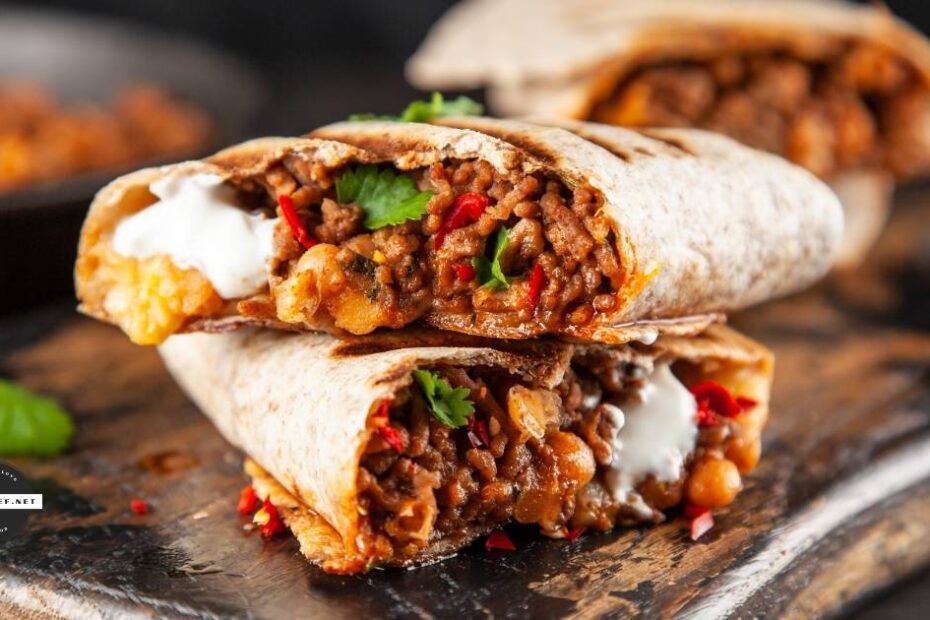
Tex-Mex fast-food includes Taco Bell, Del Taco, Qdoba, Chipotle, and others. It’s not authentic Mexican cuisine, for sure. Taco Bell leans into indulgent, textural combinations like seasoned ground beef, nacho cheese, creamy jalapeño sauce, crispy tortilla strips, and grilled burritos. Qdoba takes a fresher approach with grilled meats, cilantro-lime rice, beans, fresh salsas, and customizable burritos and bowls.
These textures and flavors are easy to recreate at home when you have the right ingredients and the techniques.
Tex-Mex tricks to try at home
- Make your own taco seasoning instead of relying on store-bought packets for a fresher, more customizable flavor.
- Add masa harina corn flour to taco seasoning to thicken the sauce and add flavor.
- Warm tortillas before filling them to prevent cracking and improve their texture.
- Toast burritos or quesadillas in a skillet after assembling them for a crisp exterior and gooey melted cheese.
- Try using warmed nacho cheese dip instead of shredded cheese.
- Use beef bouillon instead of salt.
- Simmer shredded meat in tomato sauce before adding seasonings.
- Serve with extras. Creamy jalapeño sauce, nacho cheese, salsa, and sour cream are what give many Tex-Mex fast-food favorites their signature flavor.
- Add texture with crunchy tortilla strips, shredded lettuce, or crispy potatoes to create restaurant-style contrast in every bite.
See these techniques in practice in our copycat recipes.
- Taco Bell Crunchwrap Supreme
- Taco Bell chicken quesadilla
- Taco Bell tacos
- Taco Bell Burrito Supreme
- Taco Bell Enchirito
- Taco Bell chili cheese burrito
- Taco Bell chicken burrito
- Taco Bell power menu burrito
- Taco Bell cheesy fiesta potatoes
- Qdoba steak marinade
- Chili’s salsa
- Chili’s queso
- Applebee’s nachos nuevos
- Alice Springs quesadillas
Fried fast-food cravings
Whether you’re a Chick-fil-a loyalist or you dabble in Cane’s or KFC, it’s tough to resist a fried-food craving. Spicy chicken sandwiches, crispy chicken wraps, golden popcorn shrimp, or crunchy fried chicken tenders with a signature sauce can are some of the common favorites. They all have one thing in common: a flavorful, crispy coating that’s hard to resist.
You don’t need a fancy deep fryer to create that crispy crunch at home. With some practice plus a deep pot and a thermometer, you can learn the technique at home — which means no fried food craving need go unsatisfied.
Fried fast-food tricks to try at home
- Season every layer. Add seasoning to the meat, the breading, and the finishing sauce.
- Season again after frying for an extra kick.
- Double dredge. Coat chicken (or shrimp) in seasoned flour. Dip it into a wet ingredient, such as beaten eggs or buttermilk. Dredge again in the seasoned flour.
- Keep the oil hot. Fry in small batches at 350°F to 375°F so the coating becomes crisp instead of greasy.
- Use a wire rack after frying. Resting fried foods on a rack instead of paper towels helps preserve their crispy exterior.
- Serve with sauces. Signature sauces often define the dish, whether it’s a spicy sandwich spread, honey mustard barbecue glaze, or creamy dipping sauce.
- Toast bread or wraps. A lightly toasted bun or warm tortilla adds texture and prevents the bread from becoming soggy.
- Serve immediately. Fried foods have the best crunch within minutes of leaving the oil.
Try these techniques with these recipes.
- Wendy’s spicy chicken sandwich
- Arby’s chicken bacon Swiss sandwich
- KFC twisters
- KFC Georgia gold chicken
- Chick-fil-a nuggets
- Popeyes fried chicken po’boy
- Popeyes popcorn shrimp
Burger cravings
Burgers are a bit like pizza, in that there are many varieties and each has a slightly different appeal. You could eat a crispy-edged smash burger and a thick, towering burger loaded with toppings in the same day without feeling repetitive.
While every restaurant has its own burger style, all good burgers rely on a few simple ingredients: quality ground beef, a hot cooking surface, melted cheese, and a toasted bun. The difference is often in the details, from grilled onions and garlic butter to pineapple, guacamole, or a special burger sauce. Or serve a basic burger with a standout side, like Red Robin garlic Parmesan fries.
Restaurant burger tricks to try at home
- Always work the meat gently. Light handling keeps your ground beef burgers juicy and tender.
- Cook on a very hot surface. A cast-iron skillet, flat-top griddle, or hot grill creates the flavorful browned crust that makes restaurant burgers so satisfying.
- Butter and toast those buns. A lightly buttered, toasted bun adds flavor and keeps the bread from becoming soggy once the toppings are added.
- Season simply and generously. Salt and pepper are often all you need in the ground beef.
- Experiment with thicknesses. The In-N-Out Burger is very thin while the Red Robin Bonzai Burger is not. Each has its own appeal. You can try both separately to test how each satisfies a burger craving.
- Melt the cheese completely. Cover the burgers for the last minute of cooking so the cheese melts fully and wraps around the patty.
- Choose the right cheese. American cheese creates the smooth, creamy melt found on many fast-food burgers, while cheddar, Swiss, and pepper jack work well for specialty burgers.
- Add contrasting textures. Crisp lettuce, juicy tomatoes, crunchy pickles, grilled onions, creamy sauces, and fresh vegetables create the balance that separates a great burger from an average one.
- Let specialty toppings shine. Pineapple, guacamole, mushrooms, bacon, or garlic butter can completely change a burger’s personality without making it complicated.
You can see these hacks in play in these copycat recipes:
- Red Robin Royal Red Burger
- Red Robin Bonzai Burger
- Culver’s ButterBurger
- Steak ‘n Shake Garlic Steakburger
- Roadhouse Burger
- In-n-Out Burger
- McDonald’s Grilled Onion Cheddar Burger
- McDonald’s Pico Guacamole Burger
- Chili’s Big Mouth Bites sliders
Casual Italian cravings
Olive Garden delivers on hearty pasta, cheesy baked dishes, and creamy soups, but it’s not your only option when you’re in the mood for casual Italian. You can replicate those flavors on your own. It starts with mastering one sauce and pasta al dente. Learn those two tricks and you can build from there.
Ultimately, you may realize you like homemade Italian better than dining out — except for the part where you do your own dishes, of course.
Casual Italian cooking hacks to try
- Cook your sauces slowly. Simmering marinara and meat sauces allows the flavors to deepen and develop the rich taste found in restaurant dishes.
- Cook pasta to al dente. Slightly firm pasta holds up better when tossed with sauces and baked in casseroles.
- Use freshly grated cheese. Parmesan, mozzarella, and Romano melt more smoothly and add better flavor than pre-shredded varieties.
- Finish with fresh herbs. Basil, parsley, and green onions brighten rich sauces and make homemade dishes taste fresher.
- Layer flavors. Garlic, onions, Italian seasoning, butter, cheese, and cream work together to create the signature richness found in casual Italian restaurants.
- Keep pizza toppings light. A moderate amount of toppings helps the crust bake evenly and keeps each slice crisp instead of soggy.
- Serve with warm bread. Garlic bread, breadsticks, or crusty Italian bread are perfect for soaking up the sauce.
Use these recipes to practice your techniques:
- Pizza Hut meaty marinara
- Olive Garden Bolognese sauce
- California chicken pizza
- Applebee’s three-cheese chicken penne
- TGI Friday’s bruschetta chicken pasta
Soup and sandwich comfort cravings
Soups and sandwiches offer comfort in a lighter package. Creamy café-style lunches, fresh deli sandwiches, and flavorful wraps satisfy the taste buds without weighing you down with tons of melted cheese (like you might find at Olive Garden).
The tricks to making satisfying soups and sandwiches at home include:
- Use fresh, crisp bread. Great sandwiches start with quality bread that’s sturdy enough to hold the fillings without becoming soggy.
- Build in layers. Spread sauces directly on the bread, then layer meats, cheeses, vegetables, and crunchy toppings so every bite has balanced flavor.
- Cook vegetables just until tender. For soups like broccoli cheddar, cook the vegetables until tender but still slightly firm for the best texture.
- Add cheese gradually. Stir shredded cheese into hot, but not boiling, soup to create a smooth, creamy consistency.
- Balance creamy and crunchy textures. Crisp lettuce, fresh vegetables, toasted bread, crunchy noodles, or bacon help keep sandwiches and wraps from feeling too rich.
- Serve soup piping hot and sandwiches fresh. Restaurant-quality sandwiches are best assembled just before serving, while soups benefit from a few minutes of resting after cooking.
These recipes can help you refine your soup-and-sandwich game.
- Panera Bread broccoli cheese soup
- Olive Garden chicken and gnocchi soup
- Jimmy John’s Beach Club
- Applebee’s Oriental chicken rollup
- Olive Garden chicken and gnocchi soup
Hearty breakfast cravings
There’s just something about a restaurant breakfast. From the donut shop on the corner to a big, heavy feast at Cracker Barrel, breakfast food can taste better when someone makes it for you. The thing is, the differences between what you make at home for breakfast and what you get in a restaurant come from small prep practices, like these.
- Cook eggs gently. Soft, fluffy eggs create a richer breakfast sandwich and pair better with cheese than overcooked eggs.
- Use freshly shredded cheese. It melts more smoothly into casseroles and breakfast pizzas than pre-shredded varieties.
- Brown the breakfast sausage well. Let the sausage develop plenty of color before adding it to casseroles or pizza for deeper flavor.
- Bake casseroles and pizzas until golden. A lightly browned top adds texture and gives casseroles and breakfast pizzas their signature restaurant appearance.
- Toast the bread or biscuits. Lightly toasting biscuits, English muffins, or pizza crust adds flavor and helps prevent sogginess.
- Prep ahead when you can. Breakfast casseroles and pizzas are easy to assemble in advance and bake fresh when you’re ready to eat.
See these practices in action in these copycat recipes.
- Burger King sausage, egg, and cheese biscuit
- Casey’s breakfast pizza
- Cracker Barrel hashbrown casserole
Chinese takeout cravings
Saucy noodles, crispy chicken, veggie-heavy stir fries, and crunchy egg rolls hit the spot like nothing else. And, illogically, they taste better when you eat them straight from a paper container. If you’re a regular on the local Chinese takeout place, I highly recommend investing in some take-out boxes to keep at home. Then, learn these cooking techniques so you’re prepped and ready to satisfy those take-out cravings without leaving your house.
- Prep everything before cooking. Stir-fries cook quickly, so have the meat, vegetables, noodles, and sauce ready before you turn on the heat.
- Cook over high heat. A hot wok or large skillet helps develop the smoky, slightly charred flavor that’s a hallmark of great Chinese takeout.
- Give meats space in the pan. Cook meat in batches if necessary so it browns instead of steaming.
- Use fresh aromatics. Garlic, ginger, and green onions build the flavorful base found in many restaurant dishes.
- Balance sweet, salty, and spicy flavors. Soy sauce, sesame oil, vinegar, sugar, and chili paste work together to create the signature sauces served at Chinese restaurants.
- Cook noodles separately. Add them at the end so they absorb the sauce without becoming overcooked or mushy.
- Serve immediately. Stir-fries are at their best straight from the wok while the vegetables are crisp and the sauce is glossy.
Try practicing on these recipes:
You may also want to see: How to make Chinese food at home for a broader guide.
BlogChef takeaways
Restaurant cravings aren’t going anywhere. But now you know how to beat them at their own game. Master a few simple techniques, stock your pantry with the right ingredients, and you’ll be able to recreate your favorite restaurant meals whenever the craving strikes, with no drive-thru required.