If a recipe calls for Neufchatel cheese and you don’t have any, regular cream cheese is usually the easiest substitute. The American Neufchatel sold in most U.S. grocery stores is similar enough to cream cheese that you can generally swap one for the other without changing the recipe.
Cream cheese isn’t your only option, though. Mascarpone, ricotta, cottage cheese, and Greek yogurt can all work in the right recipe. The trick is choosing a substitute with the right texture, moisture level, and flavor for what you’re making.
There’s also an important distinction to make before choosing a substitute. American Neufchatel and traditional French Neufchâtel are not the same product. If you’re following a typical American recipe for cheesecake, dip, frosting, or casserole, it almost certainly means the American-style cheese.
American Neufchatel vs. French Neufchâtel
American Neufchatel is a soft, fresh cow’s-milk cheese with a mild, slightly tangy flavor. It’s typically sold in rectangular blocks alongside cream cheese at the grocery store. It looks, tastes, and behaves much like cream cheese, although it contains less fat and generally has a little more moisture. You can use it for spreads, dips, sauces, casseroles, frostings, cheesecakes, and other sweet and savory dishes.
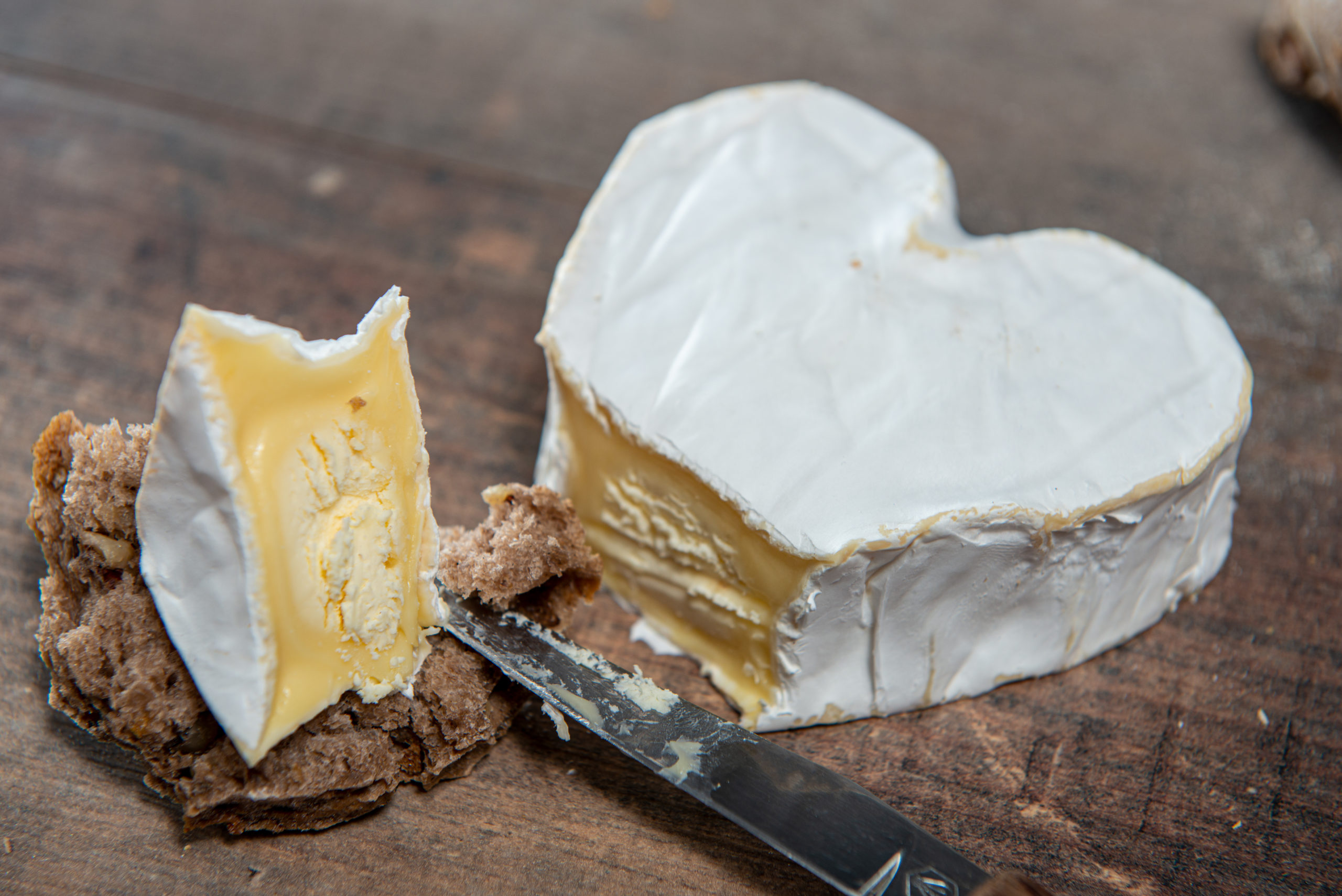
Traditional French Neufchâtel comes from Normandy and is a soft-ripened cow’s-milk cheese with an edible bloomy rind. It’s produced in several shapes and is particularly well known for its heart-shaped form. Its flavor becomes stronger as the cheese ripens. That distinction matters because advice about substituting for American Neufchatel doesn’t necessarily apply to French Neufchâtel. The substitutes below are intended primarily for the American-style cheese commonly called for in U.S. recipes.
Neufchatel cheese substitute chart
| Substitute | Substitution ratio | Best for | What to expect |
|---|---|---|---|
| Cream cheese | 1:1 | Almost any recipe | Richer and slightly denser |
| Mascarpone | 1:1 | Desserts, fillings, spreads | Richer, milder, less tangy |
| Ricotta | 1:1 in many recipes | Pasta, casseroles, savory fillings | Lighter and grainier |
| Blended cottage cheese | 1:1 in many recipes | Dips, sauces, casseroles | Less rich and potentially wetter |
| Greek yogurt | Depends on recipe | Dips, sauces, spreads | Tangier and softer |
| Dairy-free cream cheese | 1:1 in many recipes | Spreads, dips, some baked recipes | Flavor and texture vary by brand |
Cream cheese
Cream cheese is the best all-purpose substitute for American Neufchatel. The two cheeses have similar flavors and textures, and cream cheese works in most of the same sweet and savory recipes.
Use an equal amount of cream cheese in place of Neufchatel. If your recipe calls for 8 ounces of Neufchatel, use 8 ounces of cream cheese.
The main difference you’ll notice is richness. Regular cream cheese contains more fat, so the finished dish may taste richer and have a slightly denser texture.
For cheesecake, frosting, and other baked recipes, use block cream cheese rather than whipped cream cheese or a tub of spreadable cream cheese. Those products can contain different amounts of moisture and other ingredients that affect the finished recipe.
Mascarpone
Mascarpone is a good Neufchatel substitute when you’re making something rich and creamy. It has a very smooth consistency and works particularly well in desserts, fillings, frostings, and spreads. You can generally substitute mascarpone for Neufchatel at a 1:1 ratio.
Mascarpone is considerably richer and has a milder, less tangy flavor. If that tanginess is important to your recipe, a small amount of lemon juice can help balance the flavor.
Because mascarpone is so rich, I wouldn’t necessarily choose it for every savory dish. It’s a particularly good option when the extra richness works in your favor.
Ricotta cheese
Ricotta isn’t as close to Neufchatel as cream cheese or mascarpone, but it can be a useful substitute in savory recipes. It works especially well in baked pasta, casseroles, stuffed pasta, savory fillings, and baked dips. Whole-milk ricotta will give you a richer result than part-skim ricotta.
The biggest difference is texture. Ricotta has a slightly grainy consistency, while Neufchatel is smooth. If you need a smoother substitute, blend the ricotta in a food processor or blender before using it. If your ricotta is particularly watery, drain off the excess liquid first.
A 1:1 ricotta substitution can work in many savory dishes. I wouldn’t automatically use ricotta as a 1:1 substitute in cheesecake or frosting, however. Those recipes depend more heavily on the structure and texture of the cheese.
Cottage cheese
Cottage cheese may seem like an unusual substitute because its curds don’t resemble the smooth texture of Neufchatel. Blending it changes that considerably.
For the closest result, use full-fat cottage cheese and blend it until completely smooth. If there’s a lot of liquid in the container, drain the cottage cheese before blending.
Blended cottage cheese can work well in dips, creamy sauces, casseroles, and savory fillings. You can try it at a 1:1 ratio in recipes where the cheese isn’t responsible for most of the structure.
It isn’t my first choice for cheesecake or cream cheese frosting. Even after blending, cottage cheese has a different moisture and protein composition than Neufchatel or cream cheese, so the finished texture can be different.
Greek yogurt
Thick Greek yogurt can work as a Neufchatel substitute in dips, sauces, spreads, and some casseroles. Full-fat Greek yogurt will generally give you the closest approximation of Neufchatel’s creamy consistency.
Greek yogurt is tangier and usually softer than Neufchatel. If your yogurt seems particularly loose, you can strain it through cheesecloth in the refrigerator to remove some of the whey and produce a thicker consistency.
The substitution ratio depends on the recipe. For a dip or sauce, you may be able to replace Neufchatel with an equal amount of Greek yogurt. For baked goods, cheesecake, and frosting, I wouldn’t make a straight substitution unless the recipe can accommodate the additional moisture and different structure.
Dairy-free cream cheese
If you need a nondairy alternative, commercial dairy-free cream cheese is generally the simplest option.
It’s particularly easy to substitute in spreads, cold dips, and similar recipes. Many products can be substituted at a 1:1 ratio, although the results depend heavily on the brand.
Dairy-free cream cheeses can be made from ingredients such as cashews, coconut oil, soy, or other plant-based ingredients. That means their flavor, fat content, moisture, and behavior when heated can vary considerably.
For baking, check whether the manufacturer recommends the product for baked recipes. A dairy-free cream cheese that works perfectly on a bagel won’t necessarily behave like Neufchatel in a cheesecake.
Homemade cashew cream or cashew cheese is another option for dips and spreads, although it won’t behave exactly like Neufchatel in recipes that depend on the structure of dairy cheese.
Best Neufchatel substitute for cheesecake
Regular block cream cheese is the best substitute for Neufchatel in cheesecake.
Use it at a 1:1 ratio. The cheesecake may be somewhat richer and denser because regular cream cheese contains more fat, but you shouldn’t need to make other major changes to the recipe.
Mascarpone can also work in some cheesecakes, but it creates a richer, milder result. Ricotta produces a substantially different texture, so I wouldn’t use it as a direct substitute unless you’re comfortable changing the style of the cheesecake.
Best substitute for frosting
Use block cream cheese if you’re replacing Neufchatel in frosting. It provides the smooth consistency and tangy flavor you’d expect from a cream cheese-style frosting.
Mascarpone can also make a good frosting, but the result will be richer and less tangy.
Greek yogurt, ricotta, and cottage cheese aren’t ideal direct substitutes here. Frosting needs enough structure to hold its consistency, making moisture content particularly important.
Best substitute for dips and spreads
You have much more flexibility with dips and spreads.
Cream cheese is still the closest substitute, but mascarpone, blended cottage cheese, Greek yogurt, and dairy-free cream cheese can all work.
Choose based on the finished texture and flavor you want. Mascarpone makes a richer dip, while Greek yogurt makes it tangier and softer. Blended cottage cheese has a milder flavor and may need additional seasoning.
Best substitute for pasta and casseroles
Cream cheese, ricotta, and blended cottage cheese are all useful choices for savory dishes.
Cream cheese is best when you want a smooth, creamy consistency. Ricotta works particularly well in baked pasta and layered casseroles. Blended cottage cheese is useful in creamy fillings and sauces where a slight difference in consistency won’t hurt the dish.
Mascarpone can work in creamy pasta sauces, too, but expect a much richer and less tangy result.
Can you substitute cream cheese for Neufchatel?
Yes. If a U.S. recipe calls for American Neufchatel, you can generally substitute regular cream cheese at a 1:1 ratio. For example, replace an 8-ounce package of Neufchatel with an 8-ounce package of cream cheese.
The cream cheese has more fat, so your finished recipe may be slightly richer or denser. In most dips, spreads, casseroles, sauces, and similar recipes, the difference is relatively minor.
Can you substitute Neufchatel for cream cheese?
Usually. American Neufchatel can generally replace regular cream cheese at a 1:1 ratio.
This substitution is particularly straightforward in dips, spreads, sauces, and casseroles. Because Neufchatel is lower in fat and can contain more moisture, you may notice more of a difference in recipes such as cheesecake and frosting.
If a baking recipe specifically calls for full-fat block cream cheese, using Neufchatel may produce a softer or less rich result.
Does Neufchatel taste like cream cheese?
American Neufchatel does. It has the mild dairy flavor and slight tang associated with cream cheese, which is one reason the two are so easy to substitute for one another.
Traditional French Neufchâtel is different. It’s a ripened cheese with a rind, and its flavor develops as it ages.
Is Neufchatel the same as cream cheese?
No. American Neufchatel and cream cheese are separate products, even though they’re similar in appearance, flavor, and use.
American Neufchatel contains less fat than regular cream cheese. Despite the differences, they’re similar enough to be interchangeable in many recipes.
Can you use Neufchatel cheese for cheesecake?
Yes. American Neufchatel can be used to make cheesecake. The finished cheesecake may be somewhat less rich and potentially softer than one made with full-fat cream cheese.
If you’re substituting Neufchatel into a specific cheesecake recipe that calls for full-fat cream cheese, keep in mind that changing the fat and moisture content can affect the final texture.
Where can you find Neufchatel cheese?
In U.S. grocery stores, look for American Neufchatel in the refrigerated dairy section alongside block cream cheese. The packaging often looks very similar to cream cheese, so check the label carefully.
French Neufchâtel is a specialty cheese and is more likely to be found at a well-stocked cheese counter or specialty food store.
BlogChef takeaway
For most recipes calling for American Neufchatel cheese, regular block cream cheese is the easiest substitute. Use the same amount and expect a slightly richer result.
Mascarpone is a good choice for rich desserts and fillings, while ricotta and blended cottage cheese are better suited to savory dishes. Greek yogurt works well when you’re making a dip or sauce and don’t need the structure of block cheese. If you need a nondairy option, dairy-free cream cheese is usually the simplest place to start.
The most important thing is to match the substitute to the recipe. A replacement that works perfectly in a dip isn’t necessarily the right choice for a cheesecake or frosting.